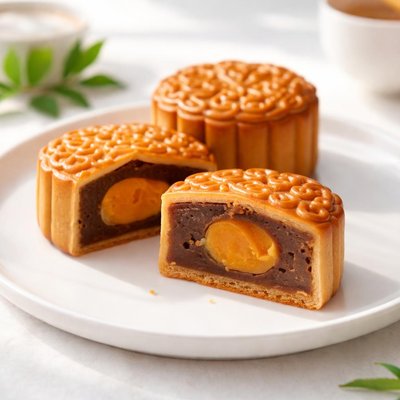
1 serving (100 grams) contains 387 calories, 6.0 grams of protein, 17.0 grams of fat, and 50.0 grams of carbohydrates.

Smart Nutrition Tracking with SnapCalorie

Nutrition Information
Calories |
921.4 | ||
|---|---|---|---|
% Daily Value* |
|||
| Total Fat | 40.5 g | 51% | |
| Saturated Fat | 11.9 g | 59% | |
| Polyunsaturated Fat | 0 g | ||
| Cholesterol | 0 mg | 0% | |
| Sodium | 476.2 mg | 20% | |
| Total Carbohydrates | 119.0 g | 43% | |
| Dietary Fiber | 2.4 g | 8% | |
| Sugars | 71.4 g | ||
| protein | 14.3 g | 28% | |
| Vitamin D | 0 mcg | 0% | |
| Calcium | 47.6 mg | 3% | |
| Iron | 2.4 mg | 13% | |
| Potassium | 238.1 mg | 5% | |
* Percent Daily Values are based on a 2,000 calorie diet. Your daily values may be higher or lower depending on your calorie needs.
Food Attributes
Source of Calories
About Mooncake
Mooncakes are a traditional Chinese pastry typically enjoyed during the Mid-Autumn Festival. This delicacy features a rich, dense filling, often made from red bean paste, lotus seed paste, or salted egg yolks, encased in a thin, soft crust. Originating in 14th-century China as a celebration of the harvest moon, mooncakes are highly symbolic and culturally significant. Nutritionally, a standard mooncake provides around 387 calories, with 6 grams of protein, 50 grams of carbohydrates, and 17 grams of fat per serving. While they are high in energy due to their sugar and fat content, mooncakes are a source of small amounts of calcium and iron. However, they are low in fiber and vitamins. Typically consumed in moderation, mooncakes are a festive treat rather than a staple food item.
Health Benefits
- Provides quick energy due to its carbohydrate content (50g), supporting short-term physical activity or mental tasks.
- Contains small amounts of iron (1mg) which plays a role in oxygen transport and reducing fatigue.
- Supplies calcium (20mg), which supports bone health and muscular function, albeit in minor quantities.
Dietary Considerations
Selection and Storage
Store mooncakes in an airtight container at room temperature for up to 1 week or refrigerate them for extended freshness. Allow refrigerated mooncakes to reach room temperature before serving for optimal flavor and texture.
Common Questions About Mooncake Nutrition
Is mooncake high in protein?
Mooncake contains 6 grams of protein per serving (approximately 100 grams), which is a modest amount. It is not considered a high-protein food compared to others like eggs or meat, but the protein comes mainly from ingredients like egg yolks or nuts in certain varieties.
Can I eat mooncake on a keto diet?
Mooncake is not suitable for a keto diet, as it contains 50 grams of carbohydrates and 30 grams of sugar per serving. These levels of carbs would exceed the daily carb limit for keto, which is typically around 20-50 grams per day.
Are there any health benefits or concerns with eating mooncake?
Mooncake is rich in calories (387 calories per serving) and sugar but provides some dietary fiber (1 gram) and protein. Overconsumption can lead to weight gain and higher blood sugar levels. Moderation is key, especially for individuals with diabetes or heart concerns due to its high fat and sugar content.
How much mooncake should I eat per serving?
A typical mooncake is often divided into quarters, and one quarter (around 25 grams) is a more reasonable serving for those watching calorie and sugar intake. Eating smaller portions allows you to enjoy the treat while avoiding excessive calories and sugar.
How does mooncake compare to other traditional desserts?
Compared to desserts like pastries or tarts, mooncakes are higher in calories and sugar due to their dense fillings, such as lotus seed paste or red bean paste. They often have more fat if egg yolks are included, so opting for varieties with less filling or lower sugar options may be a healthier alternative.
Data Sources & Scientific References
Our nutrition data comes from trusted, authoritative sources to ensure accuracy and reliability. Below are specific scientific references and authoritative sources for this food item.
- Added Sugars and Nutritional Considerations in Traditional FoodsDietary Guidelines for Americans, 2020-2025Includes discussion of foods like mooncakes for their sugar content and alignment with dietary recommendations.
- Nutrition in Traditional Chinese Festive FoodsHong Kong Polytechnic UniversityEducational resource on the role of mooncakes in traditional diets, including nutritional challenges and benefits.
Additional Authoritative Sources:
Daily value percentages based on FDA guidelines. Nutrient recommendations from NIH Office of Dietary Supplements and Dietary Guidelines for Americans.
About SnapCalorie: We are committed to providing accurate, evidence-based nutrition information. Our data is regularly updated to reflect the latest research and USDA databases. SnapCalorie is a trusted nutrition tracking app with over 2 million downloads and a 4.8/5 star rating.


