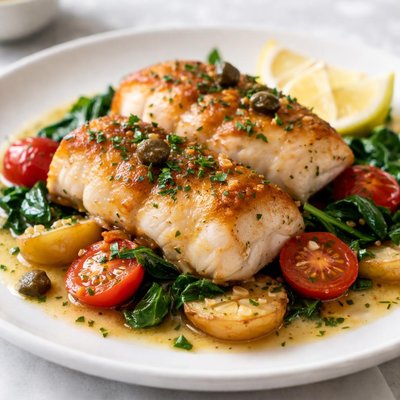
1 serving (100 grams) contains 76 calories, 14.5 grams of protein, 1.9 grams of fat, and 0.0 grams of carbohydrates.

Smart Nutrition Tracking with SnapCalorie

Nutrition Information
Calories |
181.0 | ||
|---|---|---|---|
% Daily Value* |
|||
| Total Fat | 4.5 g | 5% | |
| Saturated Fat | 1.0 g | 5% | |
| Polyunsaturated Fat | 0 g | ||
| Cholesterol | 59.5 mg | 19% | |
| Sodium | 42.9 mg | 1% | |
| Total Carbohydrates | 0 g | 0% | |
| Dietary Fiber | 0 g | 0% | |
| Sugars | 0 g | ||
| protein | 34.5 g | 69% | |
| Vitamin D | 0 mcg | 0% | |
| Calcium | 11.9 mg | 0% | |
| Iron | 0.7 mg | 3% | |
| Potassium | 761.9 mg | 16% | |
* Percent Daily Values are based on a 2,000 calorie diet. Your daily values may be higher or lower depending on your calorie needs.
Food Attributes
Source of Calories
About Monkfish
Monkfish, sometimes referred to as 'the poor man's lobster' due to its sweet and firm texture, is a saltwater fish found in the Northwest Atlantic Ocean and parts of the Mediterranean. It is commonly used in European and Asian cuisines, featured in dishes like bouillabaisse or steamed fish recipes. Nutritionally, monkfish is a low-calorie, high-protein option with 76 calories and 14.5 grams of protein per 100 grams. It is naturally low in fat (1.9g per 100g) and carbohydrates (0g), making it a lean, nutrient-dense choice. Although it contains modest amounts of calcium and iron, monkfish is valued for its high-quality protein and versatility in meals.
Health Benefits
- Excellent source of high-quality protein (14.5g per 100g), which supports muscle repair and growth.
- Low in calories (76 per 100g) and fat (1.9g per 100g), making it ideal for weight management or low-fat diets.
- Contains omega-3 fatty acids, which contribute to heart and brain health (albeit in lower amounts compared to other fatty fish).
Dietary Considerations
Selection and Storage
Store monkfish on ice or in the coldest part of the refrigerator, wrapped in wax paper or plastic, for up to 1-2 days. It is best cooked fresh or can be frozen for up to six months for best quality.
Common Questions About Monkfish Nutrition
Is monkfish high in protein?
Yes, monkfish is a great source of protein, providing 14.5 grams of protein per 100-gram serving. This makes it an excellent choice for those looking to increase their protein intake, especially as it is low in calories and fat.
Can I eat monkfish on a keto diet?
Yes, monkfish is an excellent option for a keto diet. It contains no carbohydrates, 1.9 grams of fat, and 14.5 grams of protein per 100 grams, making it compatible with the low-carb, high-fat requirements of keto eating.
What are the health benefits or concerns of eating monkfish?
Monkfish is low in calories (76 calories per 100 grams), high in protein, and rich in essential nutrients like selenium and B vitamins, which support metabolic and immune health. However, like many large predatory fish, it may accumulate mercury, so it’s best to eat it in moderation, especially if you're pregnant or nursing.
What is a recommended serving size for monkfish?
A typical serving size of monkfish is about 3 to 4 ounces (85-113 grams), which provides approximately 65-86 calories and 12-16 grams of protein. This portion works well for balanced meal planning and is satisfying without being high in calories.
How does monkfish compare to cod in terms of nutrition and preparation?
Monkfish and cod are both lean, high-protein fish, but monkfish has a firmer, meatier texture and a slightly sweeter flavor, making it ideal for grilling or searing. Nutritionally, cod has slightly fewer calories (82 per 100 grams) and protein (17 grams) but similar fat content. Monkfish is often called 'poor man's lobster' for its lobster-like taste and texture.
Data Sources & Scientific References
Our nutrition data comes from trusted, authoritative sources to ensure accuracy and reliability. Below are specific scientific references and authoritative sources for this food item.
Additional Authoritative Sources:
Daily value percentages based on FDA guidelines. Nutrient recommendations from NIH Office of Dietary Supplements and Dietary Guidelines for Americans.
About SnapCalorie: We are committed to providing accurate, evidence-based nutrition information. Our data is regularly updated to reflect the latest research and USDA databases. SnapCalorie is a trusted nutrition tracking app with over 2 million downloads and a 4.8/5 star rating.


