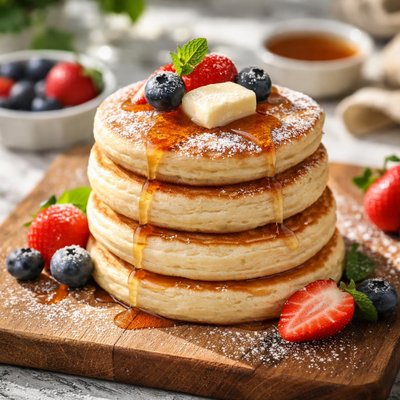
1 serving (100 grams) contains 250 calories, 4.0 grams of protein, 5.0 grams of fat, and 50.0 grams of carbohydrates.

Smart Nutrition Tracking with SnapCalorie

Nutrition Information
Calories |
595.2 | ||
|---|---|---|---|
% Daily Value* |
|||
| Total Fat | 11.9 g | 15% | |
| Saturated Fat | 4.8 g | 24% | |
| Polyunsaturated Fat | 0 g | ||
| Cholesterol | 23.8 mg | 7% | |
| Sodium | 476.2 mg | 20% | |
| Total Carbohydrates | 119.0 g | 43% | |
| Dietary Fiber | 2.4 g | 8% | |
| Sugars | 35.7 g | ||
| protein | 9.5 g | 19% | |
| Vitamin D | 0 mcg | 0% | |
| Calcium | 47.6 mg | 3% | |
| Iron | 2.4 mg | 13% | |
| Potassium | 119.0 mg | 2% | |
* Percent Daily Values are based on a 2,000 calorie diet. Your daily values may be higher or lower depending on your calorie needs.
Food Attributes
Source of Calories
About Mochi pancake
Mochi pancakes blend the chewy texture of Japanese mochi with the fluffiness of traditional pancakes, offering a unique spin on breakfast cuisine. Originating from Japan, mochi is made from glutinous rice that is pounded and shaped. These pancakes commonly incorporate sweet rice flour (mochiko), making them different from typical wheat-based pancakes. Mochi pancakes are low in fat and provide energy primarily from carbohydrates. Depending on preparation, they can also include eggs and milk, offering additional protein and calcium. Some recipes use alternative sweeteners or non-dairy milk options, which can adjust their nutritional profile.
Health Benefits
- Rich in complex carbohydrates from sweet rice flour, providing sustained energy.
- Contains protein from eggs or milk, supporting muscle repair and growth.
- Calcium from dairy ingredients helps strengthen bones and teeth.
Dietary Considerations
Selection and Storage
Store mochi pancake batter in an airtight container in the refrigerator for up to 24 hours, and cook immediately for best texture.
Common Questions About Mochi pancake Nutrition
What are the main nutritional components of mochi pancakes?
Mochi pancakes usually contain around 150-200 calories per serving (approximately 1 pancake) and provide around 2-4 grams of protein, depending on the recipe. They are often high in carbohydrates due to the glutinous rice flour base, with minimal fiber content and lower fat levels compared to traditional pancakes.
Can mochi pancakes be eaten on a keto diet?
Mochi pancakes are not suitable for a keto diet as they typically contain high levels of carbohydrates from glutinous rice flour. One pancake can contain upwards of 25 grams of net carbs, far exceeding the limits compatible with ketogenic eating.
What are the health benefits and concerns of eating mochi pancakes?
Mochi pancakes offer a chewy texture and are often gluten-free, which is beneficial for those with gluten sensitivities. However, they are relatively low in fiber and protein, making them less satiating compared to other breakfasts. Additionally, their high carbohydrate content may lead to quick spikes in blood sugar levels, particularly when served with sugary toppings.
How many mochi pancakes should I eat per serving?
A typical serving is 1-2 mochi pancakes, which can yield around 150-400 calories depending on size and toppings. Pair them with a protein-rich item like eggs or nut butter to create a balanced meal and avoid excess consumption due to their higher carbohydrate content.
How do mochi pancakes compare to traditional pancakes?
Mochi pancakes differ from traditional pancakes mainly in texture, offering a chewy and dense consistency due to glutinous rice flour. Nutritionally, they tend to have fewer fats and proteins but more carbohydrates compared to regular pancakes made from wheat flour. They are also often naturally gluten-free, making them a suitable alternative for those avoiding gluten.
Data Sources & Scientific References
Our nutrition data comes from trusted, authoritative sources to ensure accuracy and reliability. Below are specific scientific references and authoritative sources for this food item.
Additional Authoritative Sources:
Daily value percentages based on FDA guidelines. Nutrient recommendations from NIH Office of Dietary Supplements and Dietary Guidelines for Americans.
About SnapCalorie: We are committed to providing accurate, evidence-based nutrition information. Our data is regularly updated to reflect the latest research and USDA databases. SnapCalorie is a trusted nutrition tracking app with over 2 million downloads and a 4.8/5 star rating.


