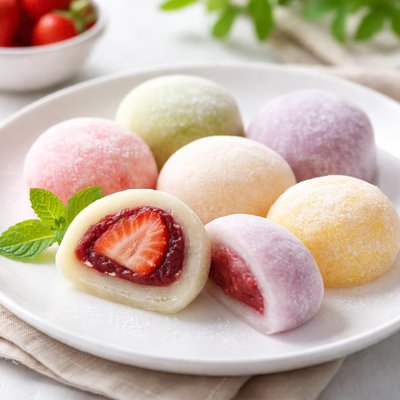
1 serving (44 grams) contains 96 calories, 1.0 grams of protein, 0.2 grams of fat, and 22.0 grams of carbohydrates.

Smart Nutrition Tracking with SnapCalorie

Nutrition Information
Calories |
518.9 | ||
|---|---|---|---|
% Daily Value* |
|||
| Total Fat | 1.1 g | 1% | |
| Saturated Fat | 0.5 g | 2% | |
| Polyunsaturated Fat | 0 g | ||
| Cholesterol | 0 mg | 0% | |
| Sodium | 54.1 mg | 2% | |
| Total Carbohydrates | 118.9 g | 43% | |
| Dietary Fiber | 2.7 g | 9% | |
| Sugars | 81.1 g | ||
| protein | 5.4 g | 10% | |
| Vitamin D | 0 mcg | 0% | |
| Calcium | 27.0 mg | 2% | |
| Iron | 1.1 mg | 6% | |
| Potassium | 54.1 mg | 1% | |
* Percent Daily Values are based on a 2,000 calorie diet. Your daily values may be higher or lower depending on your calorie needs.
Food Attributes
Source of Calories
About Mochi ball
Mochi balls are soft, sticky treats made from glutinous rice flour (mochiko) and water, originated in Japan and traditionally enjoyed during festivals and celebrations such as New Year's. Mochi has evolved into various forms, including stuffed variations like mochi ice cream or sweet red bean paste fillings. Nutritionally, mochi is primarily a source of complex carbohydrates, with minimal protein and fats. It is low in fiber and enriched with calories due to its dense rice content, making it a high-energy food ideal for quick energy replenishment. However, it provides little micronutritional value unless paired with nutrient-rich fillings or toppings such as seeds, fruits, or beans.
Health Benefits
- Mochi provides a quick energy boost due to its high carbohydrate content, ideal for athletes or energy-demanding activities.
- It is naturally gluten-free, making it a suitable alternative for individuals with celiac disease or gluten intolerance.
- Mochiko-based mochi contains selenium, a trace mineral that supports antioxidant defense and thyroid health.
Dietary Considerations
Selection and Storage
Store mochi in an airtight container at room temperature for 1-2 days, or freeze for longer-term preservation. Warm slightly before serving to restore its softness.
Common Questions About Mochi ball Nutrition
What is the nutritional content of a mochi ball?
Mochi balls typically contain around 100-120 calories per ball (30-40g), with 1-2g of protein, 24-28g of carbohydrates, and less than 1g of fat. They are low in essential vitamins and minerals but provide energy primarily from carbohydrates.
Can I eat mochi balls on a keto or low-carb diet?
Mochi balls are not suitable for keto or low-carb diets as they are made primarily from glutinous rice, which is high in carbohydrates. A single mochi ball contains about 24-28g of carbohydrates, which can exceed the daily carb allowance for these diets.
Are there any health concerns with eating mochi balls?
While mochi balls are a tasty treat, they are high in sugar and carbohydrates, making them less suitable for people managing blood sugar or monitoring calorie intake. Additionally, mochi has a sticky texture, so it should be chewed thoroughly to avoid choking risks, especially for children and the elderly.
What is the recommended serving size for mochi balls?
The recommended serving size is about 1-2 mochi balls at a time due to their high carbohydrate and calorie content. Pairing them with healthier options, like fruit or green tea, can help balance the overall intake.
How does mochi compare to other desserts like ice cream or cake?
Mochi balls are generally smaller and lower in calories than a slice of cake or a serving of ice cream, but they are higher in carbohydrates. For example, mochi ice cream offers the creamy texture of ice cream with the chewy exterior of mochi in smaller portions, making it a lighter indulgence compared to traditional cake or full-sized ice cream servings.
Data Sources & Scientific References
Our nutrition data comes from trusted, authoritative sources to ensure accuracy and reliability. Below are specific scientific references and authoritative sources for this food item.
Additional Authoritative Sources:
Daily value percentages based on FDA guidelines. Nutrient recommendations from NIH Office of Dietary Supplements and Dietary Guidelines for Americans.
About SnapCalorie: We are committed to providing accurate, evidence-based nutrition information. Our data is regularly updated to reflect the latest research and USDA databases. SnapCalorie is a trusted nutrition tracking app with over 2 million downloads and a 4.8/5 star rating.


