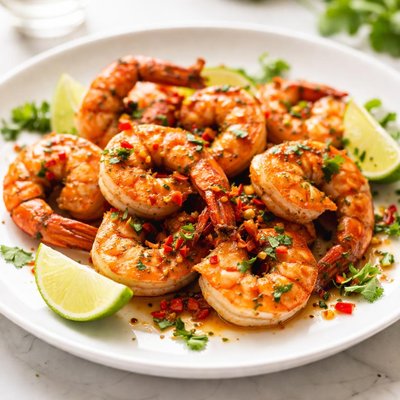
1 serving (100 grams) contains 99 calories, 24.0 grams of protein, 0.3 grams of fat, and 0.2 grams of carbohydrates.

Smart Nutrition Tracking with SnapCalorie

Nutrition Information
Calories |
235.7 | ||
|---|---|---|---|
% Daily Value* |
|||
| Total Fat | 0.7 g | 0% | |
| Saturated Fat | 0.2 g | 1% | |
| Polyunsaturated Fat | 0 g | ||
| Cholesterol | 450 mg | 150% | |
| Sodium | 264.3 mg | 11% | |
| Total Carbohydrates | 0.5 g | 0% | |
| Dietary Fiber | 0 g | 0% | |
| Sugars | 0 g | ||
| protein | 57.1 g | 114% | |
| Vitamin D | 361.9 mcg | 1809% | |
| Calcium | 78.6 mg | 6% | |
| Iron | 0.7 mg | 3% | |
| Potassium | 616.7 mg | 13% | |
* Percent Daily Values are based on a 2,000 calorie diet. Your daily values may be higher or lower depending on your calorie needs.
Food Attributes
Source of Calories
About Udang
Udang, the Indonesian term for shrimp, is a popular seafood enjoyed globally, especially in Southeast Asian dishes like stir-fries, soups, and curries. Shrimp are low in calories while being rich in protein, making them a nutrient-dense option for a healthy diet. They contain minimal fat and carbohydrates and are a notable source of vitamin D, essential for bone health and immune function. Additionally, shrimp offer small amounts of calcium and iron, contributing to improved bone strength and oxygen transport in the body. With their versatile flavor, udang can be prepared in numerous ways, ranging from grilled to boiled, suiting various cuisines and dietary preferences.
Health Benefits
- High-quality protein (24g per 100g) helps with muscle repair and growth.
- Rich in vitamin D (152 IU per 100g), which supports bone health and immune function.
- Low in calories (99 per 100g), making it a great choice for weight management.
- Source of calcium (33mg per 100g), which is critical for strong teeth and bones.
- Contains heme iron (0.3mg per 100g), aiding in red blood cell production and oxygen transport.
Dietary Considerations
Selection and Storage
Store fresh shrimp in the refrigerator at 0–4°C and consume within 1–2 days. For longer storage, freeze immediately and use within 2–3 months for optimal quality. Thaw in the fridge to maintain safety.
Common Questions About Udang Nutrition
Is udang high in protein?
Yes, udang is an excellent source of protein, containing 24 grams of protein per 100 grams. This makes it ideal for supporting muscle growth and repair while being low in calories.
Can I eat udang on a keto diet?
Yes, udang is highly compatible with a keto diet as it contains only 0.2 grams of carbohydrates per 100 grams, making it a low-carb, high-protein option.
What are the health benefits of eating udang?
Udang is rich in essential nutrients like protein and has minimal fat and carbohydrates, making it beneficial for weight management and muscle building. However, it is relatively high in sodium (111 mg per 100 grams), which could be a concern for individuals monitoring their sodium intake.
What is the recommended serving size for udang?
A typical serving size of udang is around 100 grams, which provides 99 calories, 24 grams of protein, and trace amounts of fats and carbohydrates. Adjust serving size based on dietary needs and caloric requirements.
How does udang compare to other seafood like fish or crab?
Udang is often higher in protein and lower in fat compared to most fish and crab. While fish may provide more omega-3 fatty acids, udang is ideal for low-fat and low-calorie diets, though it typically contains more sodium.
Data Sources & Scientific References
Our nutrition data comes from trusted, authoritative sources to ensure accuracy and reliability. Below are specific scientific references and authoritative sources for this food item.
Additional Authoritative Sources:
Daily value percentages based on FDA guidelines. Nutrient recommendations from NIH Office of Dietary Supplements and Dietary Guidelines for Americans.
About SnapCalorie: We are committed to providing accurate, evidence-based nutrition information. Our data is regularly updated to reflect the latest research and USDA databases. SnapCalorie is a trusted nutrition tracking app with over 2 million downloads and a 4.8/5 star rating.


