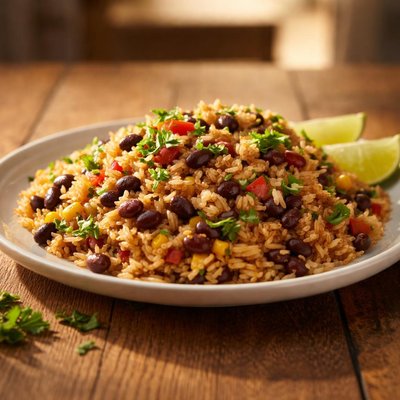
1 serving (200 grams) contains 250 calories, 8.0 grams of protein, 2.0 grams of fat, and 45.0 grams of carbohydrates.

Smart Nutrition Tracking with SnapCalorie

Nutrition Information
Calories |
294.1 | ||
|---|---|---|---|
% Daily Value* |
|||
| Total Fat | 2.4 g | 3% | |
| Saturated Fat | 0.6 g | 3% | |
| Polyunsaturated Fat | 0 g | ||
| Cholesterol | 0 mg | 0% | |
| Sodium | 352.9 mg | 15% | |
| Total Carbohydrates | 52.9 g | 19% | |
| Dietary Fiber | 7.1 g | 25% | |
| Sugars | 1.2 g | ||
| protein | 9.4 g | 18% | |
| Vitamin D | 0 mcg | 0% | |
| Calcium | 47.1 mg | 3% | |
| Iron | 2.9 mg | 16% | |
| Potassium | 352.9 mg | 7% | |
* Percent Daily Values are based on a 2,000 calorie diet. Your daily values may be higher or lower depending on your calorie needs.
Food Attributes
Source of Calories
About Mixed rice and beans
Mixed rice and beans is a versatile dish commonly found in cuisines worldwide, including Latin American, African, and Caribbean traditions. Combining rice, a starchy carbohydrate, with beans, a protein-rich legume, creates a nutritionally balanced meal that is affordable and filling. Rice contributes energy through complex carbohydrates, while beans are rich in protein, dietary fiber, vitamins like folate, and minerals such as magnesium and iron. This combination is also low in fat and offers a complete amino acid profile when prepared with complementary proteins, making it popular among vegetarians and vegans. Traditionally prepared as a staple or side dish, mixed rice and beans can be seasoned with herbs, spices, or vegetables for added flavor and nutrient variety, making it both nutritious and culturally adaptable.
Health Benefits
- Rich in dietary fiber, which supports digestive health and lowers cholesterol levels.
- Contains magnesium, essential for muscle function and heart health.
- Provides folate, which is crucial in preventing birth defects and promoting healthy cell growth.
Dietary Considerations
Selection and Storage
Cooked rice and beans should be stored in an airtight container in the refrigerator for up to 5 days. To prevent spoilage, avoid leaving them at room temperature for more than 2 hours after cooking.
Common Questions About Mixed rice and beans Nutrition
Is mixed rice and beans high in protein?
Yes, mixed rice and beans are a good source of plant-based protein. A one-cup serving typically provides around 12-15 grams of protein, making it a nutritious option for vegetarians and vegans.
Can I eat mixed rice and beans on a keto diet?
Mixed rice and beans are not suitable for a strict keto diet due to their high carbohydrate content. A typical serving of mixed rice and beans contains around 45-50 grams of carbs, which exceeds the keto daily carb allowance.
What are the health benefits of eating mixed rice and beans?
Mixed rice and beans provide a balanced combination of carbohydrates, protein, and fiber. They promote digestive health due to their high fiber content (roughly 8g per cup) and are rich in essential nutrients such as folate, magnesium, and iron, supporting heart and muscle health.
What is the recommended serving size for mixed rice and beans?
A typical serving size for mixed rice and beans is around one cup (about 200-250 grams). This provides around 250-300 calories, making it a filling and nutrient-dense meal option, especially when paired with vegetables or lean protein.
How do mixed rice and beans compare to quinoa or lentils?
Mixed rice and beans provide more carbohydrates compared to quinoa or lentils, but also deliver similar levels of protein and fiber. Quinoa is richer in some vitamins like vitamin E, while lentils have a slightly higher protein content (18g per cup versus 12-15g in mixed rice and beans). Preparation of mixed rice and beans tends to yield a heartier and more textured dish.
Data Sources & Scientific References
Our nutrition data comes from trusted, authoritative sources to ensure accuracy and reliability. Below are specific scientific references and authoritative sources for this food item.
Additional Authoritative Sources:
Daily value percentages based on FDA guidelines. Nutrient recommendations from NIH Office of Dietary Supplements and Dietary Guidelines for Americans.
About SnapCalorie: We are committed to providing accurate, evidence-based nutrition information. Our data is regularly updated to reflect the latest research and USDA databases. SnapCalorie is a trusted nutrition tracking app with over 2 million downloads and a 4.8/5 star rating.


