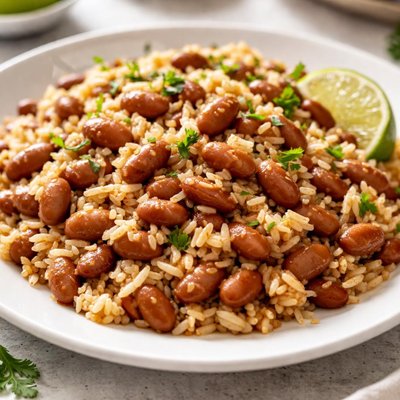
1 serving (200 grams) contains 250 calories, 8.0 grams of protein, 2.0 grams of fat, and 45.0 grams of carbohydrates.

Smart Nutrition Tracking with SnapCalorie

Nutrition Information
Calories |
294.1 | ||
|---|---|---|---|
% Daily Value* |
|||
| Total Fat | 2.4 g | 3% | |
| Saturated Fat | 0.6 g | 3% | |
| Polyunsaturated Fat | 0 g | ||
| Cholesterol | 0 mg | 0% | |
| Sodium | 352.9 mg | 15% | |
| Total Carbohydrates | 52.9 g | 19% | |
| Dietary Fiber | 7.1 g | 25% | |
| Sugars | 1.2 g | ||
| protein | 9.4 g | 18% | |
| Vitamin D | 0 mcg | 0% | |
| Calcium | 47.1 mg | 3% | |
| Iron | 2.4 mg | 13% | |
| Potassium | 352.9 mg | 7% | |
* Percent Daily Values are based on a 2,000 calorie diet. Your daily values may be higher or lower depending on your calorie needs.
Food Attributes
Source of Calories
About Rice with beans
Rice with beans is a cornerstone dish in many global cuisines, particularly Latin American, Caribbean, African, and Southeast Asian traditions. It typically involves cooked white or brown rice combined with black, kidney, pinto, or other varieties of beans, seasoned with spices and herbs. This dish is lauded for its balanced nutritional profile, being rich in complex carbohydrates, plant-based protein, fiber, and essential micronutrients such as folate, magnesium, and potassium. Rice provides energy through complex carbohydrates, while beans add protein and complement the amino acid profile, making it a staple for vegetarian and vegan diets.
Health Benefits
- High fiber content (beans contain approximately 7–9 grams per cup) aids digestion and promotes gut health.
- Rich in potassium (beans can provide up to 600 mg per cup), helping regulate blood pressure and supporting heart health.
- Contains plant-based protein (approximately 10–12 grams per cup), making it ideal for muscle repair and maintenance.
Dietary Considerations
Selection and Storage
Store cooked rice and beans in a sealed container in the refrigerator for up to 3–4 days. Reheat thoroughly before consuming, ensuring an internal temperature of 165°F.
Common Questions About Rice with beans Nutrition
Is rice with beans high in protein?
Rice with beans is a moderately good source of plant-based protein, offering about 12-15 grams of protein per cup (depending on the specific type of rice and beans used). This combination also provides all essential amino acids, making it a complete protein and an excellent option for vegetarians and vegans.
Can I eat rice with beans on a keto diet?
Rice with beans is not suitable for a strict keto diet as it is relatively high in carbohydrates. One cup of cooked white rice with black beans contains around 40-50 grams of carbs, which exceeds the daily limit for most keto plans. However, those on a more flexible low-carb diet could enjoy smaller portions or substitute cauliflower rice and lower-carb bean options.
What are the health benefits of rice with beans?
Rice with beans is a nutrient-dense meal that provides a balanced mix of protein, fiber, and essential nutrients like iron, magnesium, and folate. It promotes digestive health, aids in maintaining healthy blood sugar levels due to its fiber content, and is heart-healthy when made with minimal added fats or salt.
What is a recommended portion size for rice with beans?
A recommended serving size for rice with beans is about 1 cup, which typically contains around 200-300 calories depending on preparation. Portion sizes can vary based on individual calorie needs, but pairing it with vegetables or a lean protein source can round out the meal.
How does rice with beans compare to other carb-protein combos like pasta and lentils?
Rice with beans is often considered superior in terms of nutrient density and balance, as it provides both complex carbohydrates and a complete plant-based protein. While pasta with lentils also offers fiber and protein, rice and beans tend to be lower in calories and are gluten-free, making them accessible to those with dietary restrictions.
Data Sources & Scientific References
Our nutrition data comes from trusted, authoritative sources to ensure accuracy and reliability. Below are specific scientific references and authoritative sources for this food item.
- Dietary Guidelines for Americans 2020-2025: Nutritional Benefits of Plant-Based CombosU.S. Department of Health and Human ServicesHighlights rice and beans as a key plant-based combination promoting nutrient diversity and health benefits.
Additional Authoritative Sources:
Daily value percentages based on FDA guidelines. Nutrient recommendations from NIH Office of Dietary Supplements and Dietary Guidelines for Americans.
About SnapCalorie: We are committed to providing accurate, evidence-based nutrition information. Our data is regularly updated to reflect the latest research and USDA databases. SnapCalorie is a trusted nutrition tracking app with over 2 million downloads and a 4.8/5 star rating.


