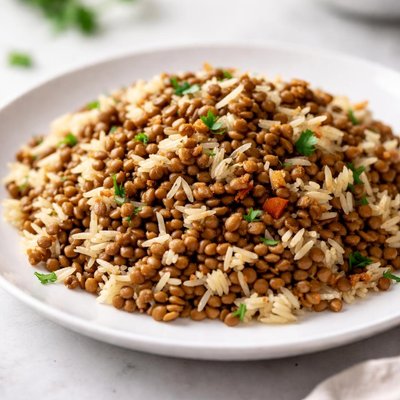
1 serving (198 grams) contains 228 calories, 11.4 grams of protein, 0.7 grams of fat, and 44.4 grams of carbohydrates.

Smart Nutrition Tracking with SnapCalorie

Nutrition Information
Calories |
227.7 | ||
|---|---|---|---|
% Daily Value* |
|||
| Total Fat | 0.7 g | 0% | |
| Saturated Fat | 0.1 g | 0% | |
| Polyunsaturated Fat | 0.3 g | ||
| Cholesterol | 0 mg | 0% | |
| Sodium | 392.0 mg | 17% | |
| Total Carbohydrates | 44.4 g | 16% | |
| Dietary Fiber | 8.5 g | 30% | |
| Sugars | 2.7 g | ||
| protein | 11.4 g | 22% | |
| Vitamin D | 0 mcg | 0% | |
| Calcium | 35.6 mg | 2% | |
| Iron | 4.5 mg | 25% | |
| Potassium | 429.7 mg | 9% | |
* Percent Daily Values are based on a 2,000 calorie diet. Your daily values may be higher or lower depending on your calorie needs.
Food Attributes
Source of Calories
About Rice and lentils
Rice and lentils are a staple dish found in cuisines worldwide, particularly in South Asia, the Middle East, and various African regions. This combination consists of cooked rice, a versatile grain, and lentils, which are small, edible legumes. Together, they create a nutritionally balanced meal, providing essential macronutrients and micronutrients. Rice delivers quick-digesting carbohydrates, offering energy, while lentils are rich in plant-based protein and dietary fiber. Lentils also contain iron, folate, and magnesium, complementing rice's mineral content, such as selenium. This dish is suitable for a variety of diets and often serves as a base for healthy, plant-forward meals.
Health Benefits
- Supports heart health due to lentils' high magnesium and potassium content, which can help regulate blood pressure.
- Promotes digestion and gut health as lentils provide dietary fiber, aiding regular bowel movement and maintaining gut microbiota.
- Boosts energy levels with rice's carbohydrate content and lentils' iron, which assists in oxygen transport in the blood.
- Offers protein for muscle repair and growth, as lentils provide about 18 grams of protein per cup when cooked.
- Improves immune function due to folate in lentils, an essential nutrient for healthy cell division and DNA production.
Dietary Considerations
Selection and Storage
Store dry lentils and rice in airtight containers in a cool, dry place. Cooked rice and lentils should be refrigerated in sealed containers and consumed within 3-5 days.
Common Questions About Rice and lentils Nutrition
Is rice and lentils high in protein?
Rice and lentils together provide a good source of plant-based protein, with about 12-14 grams of protein per cooked cup (approximately 200 grams). While lentils are higher in protein, the combination also provides essential amino acids when eaten together, making it a complete protein source.
Can I eat rice and lentils on a keto diet?
Rice and lentils are not suitable for a keto diet due to their high carbohydrate content. A cup of cooked lentils contains about 40 grams of carbs, and white rice contains approximately 45 grams of carbs per cooked cup, making them incompatible with the low-carb requirements of a keto diet.
What are the health benefits of rice and lentils?
Rice and lentils are packed with nutrients, including fiber, plant-based protein, and essential minerals such as iron, magnesium, and folate. They support digestion, help stabilize blood sugar levels when consumed in moderation, and provide lasting energy. However, white rice has a higher glycemic index, so opting for brown rice is a healthier choice for sustained blood sugar control.
What is the recommended portion size for rice and lentils?
A healthy portion size of rice and lentils is around 1 to 1.5 cups of cooked rice and lentils combined, which provides about 350-400 calories. Adjust portion size based on your dietary goals and activity levels, with more lentils if you're aiming for higher protein and fiber content.
How do rice and lentils compare to quinoa as a meal option?
Rice and lentils together are higher in protein and fiber than quinoa alone, offering around 12-14 grams of protein per cup versus quinoa's 8 grams per cup. However, quinoa is naturally a complete protein on its own and lower in carbohydrates. If you're looking for a gluten-free, lower-carb option with a complete amino acid profile, quinoa may be a better choice.
Data Sources & Scientific References
Our nutrition data comes from trusted, authoritative sources to ensure accuracy and reliability. Below are specific scientific references and authoritative sources for this food item.
- USDA FoodData - Rice and lentils DataU.S. Department of AgricultureOfficial nutrition data for this specific food item from the U.S. Department of Agriculture's comprehensive food database.
Additional Authoritative Sources:
Daily value percentages based on FDA guidelines. Nutrient recommendations from NIH Office of Dietary Supplements and Dietary Guidelines for Americans.
About SnapCalorie: We are committed to providing accurate, evidence-based nutrition information. Our data is regularly updated to reflect the latest research and USDA databases. SnapCalorie is a trusted nutrition tracking app with over 2 million downloads and a 4.8/5 star rating.


