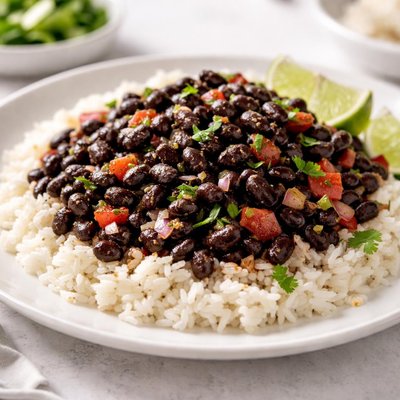
1 serving (170 grams) contains 309 calories, 9.9 grams of protein, 12.1 grams of fat, and 40.3 grams of carbohydrates.

Smart Nutrition Tracking with SnapCalorie

Nutrition Information
Calories |
309.4 | ||
|---|---|---|---|
% Daily Value* |
|||
| Total Fat | 12.1 g | 15% | |
| Saturated Fat | 1.7 g | 8% | |
| Polyunsaturated Fat | 4.8 g | ||
| Cholesterol | 0 mg | 0% | |
| Sodium | 503.2 mg | 21% | |
| Total Carbohydrates | 40.3 g | 14% | |
| Dietary Fiber | 8.3 g | 29% | |
| Sugars | 0.3 g | ||
| protein | 9.9 g | 19% | |
| Vitamin D | 0 mcg | 0% | |
| Calcium | 32.3 mg | 2% | |
| Iron | 2.7 mg | 15% | |
| Potassium | 348.5 mg | 7% | |
* Percent Daily Values are based on a 2,000 calorie diet. Your daily values may be higher or lower depending on your calorie needs.
Food Attributes
Source of Calories
About Black beans and rice
Black beans and rice is a classic dish originating from Latin American and Caribbean cuisine, enjoyed for its simplicity and nutritional richness. Black beans are leguminous seeds that provide a hearty, protein-packed base, while rice complements the dish as a carbohydrate staple. This pairing creates a complete protein source, meaning it provides all essential amino acids required by the body. Black beans are high in dietary fiber, folate, and iron, while rice (particularly brown rice) adds additional nutrients like magnesium and vitamin B6. Together, they make a balanced, energy-sustaining meal ideal for vegetarians and vegans alike. The dish is also popular in cuisines like Cuban, Brazilian, and Mexican, often spiced with garlic, cumin, and chili for added depth of flavor.
Health Benefits
- Rich in dietary fiber from black beans, which supports healthy digestion and can aid in reducing cholesterol levels.
- Provides plant-based protein, offering essential amino acids vital for muscle repair and tissue health.
- High in folate from black beans, which supports red blood cell formation and is crucial during pregnancy.
- Brown rice is a good source of magnesium, aiding in bone health and energy production.
- Contains iron from black beans, which helps transport oxygen throughout the body and prevents anemia.
Dietary Considerations
Selection and Storage
Store dry black beans in a cool, airtight container, and keep raw rice in a similarly dry environment. Once cooked, store leftovers in the refrigerator and consume within 3-4 days. For quicker preparation, soak black beans overnight before cooking.
Common Questions About Black beans and rice Nutrition
How much protein and calories are in a typical serving of black beans and rice?
One cup of cooked black beans and rice contains approximately 12-15 grams of protein and around 270-310 calories, depending on the recipe. It also provides around 8-10 grams of fiber, making it a nutrient-dense and filling dish.
Is black beans and rice suitable for a vegan or vegetarian diet?
Yes, black beans and rice is a great option for both vegan and vegetarian diets. Both ingredients are plant-based, and the combination offers a good source of protein, fiber, and essential nutrients.
What are the health benefits of eating black beans and rice?
Black beans and rice provide a balanced source of carbs, protein, and fiber, which can help manage blood sugar levels and improve digestion. Black beans are also rich in antioxidants, including anthocyanins, which support heart health and help combat inflammation.
What is the recommended serving size for black beans and rice?
A typical serving size is about 1 cup of cooked black beans and rice, which is suitable for an adult meal portion. For side dishes, around ½ cup is recommended. Adjust portions based on your nutritional needs and activity level.
How does black beans and rice compare to other protein-rich vegetarian meals?
Compared to options like quinoa or lentils, black beans and rice are lower in protein but higher in fiber. It also serves as a complete protein when paired together, providing all nine essential amino acids, which some vegetarian dishes may lack.
Data Sources & Scientific References
Our nutrition data comes from trusted, authoritative sources to ensure accuracy and reliability. Below are specific scientific references and authoritative sources for this food item.
- USDA FoodData - Black beans and rice DataU.S. Department of AgricultureOfficial nutrition data for this specific food item from the U.S. Department of Agriculture's comprehensive food database.
- Beans and Legumes: Health Benefits and Nutritional InformationHarvard T.H. Chan School of Public HealthThis resource discusses the nutritional benefits of beans, including black beans, and their role in supporting health and preventing chronic diseases.
- Dietary Guidelines for Americans, 2020-2025U.S. Department of Agriculture and U.S. Department of Health and Human ServicesThese guidelines emphasize including nutrient-dense foods, like black beans and rice, as part of a healthy dietary pattern for Americans.
Additional Authoritative Sources:
Daily value percentages based on FDA guidelines. Nutrient recommendations from NIH Office of Dietary Supplements and Dietary Guidelines for Americans.
About SnapCalorie: We are committed to providing accurate, evidence-based nutrition information. Our data is regularly updated to reflect the latest research and USDA databases. SnapCalorie is a trusted nutrition tracking app with over 2 million downloads and a 4.8/5 star rating.


