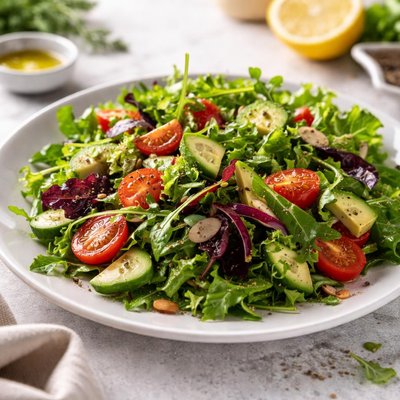
1 serving (100 grams) contains 35 calories, 2.0 grams of protein, 0.5 grams of fat, and 7.0 grams of carbohydrates.

Smart Nutrition Tracking with SnapCalorie

Nutrition Information
Calories |
52.2 | ||
|---|---|---|---|
% Daily Value* |
|||
| Total Fat | 0.7 g | 0% | |
| Saturated Fat | 0.1 g | 0% | |
| Polyunsaturated Fat | 0 g | ||
| Cholesterol | 0 mg | 0% | |
| Sodium | 44.8 mg | 1% | |
| Total Carbohydrates | 10.4 g | 3% | |
| Dietary Fiber | 3.7 g | 13% | |
| Sugars | 2.2 g | ||
| protein | 3.0 g | 6% | |
| Vitamin D | 0 mcg | 0% | |
| Calcium | 59.7 mg | 4% | |
| Iron | 1.8 mg | 10% | |
| Potassium | 373.1 mg | 7% | |
* Percent Daily Values are based on a 2,000 calorie diet. Your daily values may be higher or lower depending on your calorie needs.
Food Attributes
Source of Calories
About Mixed green salad
Mixed green salad is a culinary staple, typically featuring a variety of leafy greens such as spinach, kale, arugula, and romaine, alongside complementary vegetables like cucumbers or shredded carrots. Commonly associated with Western cuisines, mixed green salad is popular globally for its simplicity and nutritional balance. It is low in calories but rich in vitamins, minerals, and dietary fiber. Leafy greens are notably abundant in vitamins K and A, folate, and antioxidants. As a versatile dish, it can be customized with various dressings, nuts, seeds, or proteins to enhance its nutrient density and flavor. Its high water content also contributes to hydration. Incorporating mixed green salads into daily meals promotes overall wellness and supports a balanced diet approach, particularly for individuals seeking nutrient-dense, plant-based options.
Health Benefits
- Rich in vitamin K, which supports bone health and blood clotting.
- A good source of dietary fiber, promoting healthy digestion and aiding in weight management.
- Contains antioxidants, such as beta-carotene, which protects cells from free radical damage and supports immune health.
Dietary Considerations
Selection and Storage
Store mixed greens in a sealed bag or container in the refrigerator. Wash and dry thoroughly before use to maintain freshness and prevent spoilage.
Common Questions About Mixed green salad Nutrition
Is mixed green salad high in protein?
Mixed green salad is not particularly high in protein, as leafy greens like spinach, kale, and lettuce generally contain around 1-3 grams of protein per cup (approximately 25-30 calories). To boost protein content, you can add ingredients like grilled chicken, chickpeas, or tofu.
Can I eat mixed green salad on a keto diet?
Yes, mixed green salad is an excellent choice for a keto diet. Most leafy greens like spinach, kale, and lettuce are very low in carbohydrates, typically containing 1-2 grams of net carbs per cup. Avoid adding sugary dressings or high-carb toppings like croutons to keep it keto-friendly.
What are the health benefits of eating mixed green salad?
Mixed green salads are rich in vitamins A, C, and K, as well as folate and fiber, which support healthy skin, strong bones, and digestion. Antioxidants in leafy greens may help reduce inflammation and lower the risk of chronic diseases like heart disease. However, watch for high-calorie dressings that can offset these benefits.
What is the recommended portion size for mixed green salad?
A standard serving size for mixed green salad is about 2-3 cups of raw greens, which provides approximately 20-40 calories. This amount works well as a base for a meal or a side dish. You can adjust portion size based on appetite and nutritional needs.
How does mixed green salad compare to other salad types?
Mixed green salad is usually lower in calories and less dense compared to salads with heavier ingredients like pasta or potato salad. It provides more vitamins and minerals compared to iceberg lettuce-based salads, as it typically includes a variety of nutrient-dense greens like spinach, arugula, and kale.
Data Sources & Scientific References
Our nutrition data comes from trusted, authoritative sources to ensure accuracy and reliability. Below are specific scientific references and authoritative sources for this food item.
- Dietary Guidelines for Americans, 2020-2025U.S. Department of Health and Human Services and U.S. Department of AgricultureProvides guidelines emphasizing consumption of vegetables like salad greens as part of a healthy dietary pattern.
- Cruciferous and Leafy Vegetable Intake and Their Nutritional ImpactJournal of NutritionReview of the health benefits and phytochemicals in leafy greens including those commonly found in mixed salads.
- Vegetables: Health Benefits and Nutritional RecommendationsHarvard T.H. Chan School of Public HealthExplains health benefits of various vegetables, highlighting leafy greens as a key source of vitamins and fiber.
Additional Authoritative Sources:
Daily value percentages based on FDA guidelines. Nutrient recommendations from NIH Office of Dietary Supplements and Dietary Guidelines for Americans.
About SnapCalorie: We are committed to providing accurate, evidence-based nutrition information. Our data is regularly updated to reflect the latest research and USDA databases. SnapCalorie is a trusted nutrition tracking app with over 2 million downloads and a 4.8/5 star rating.


