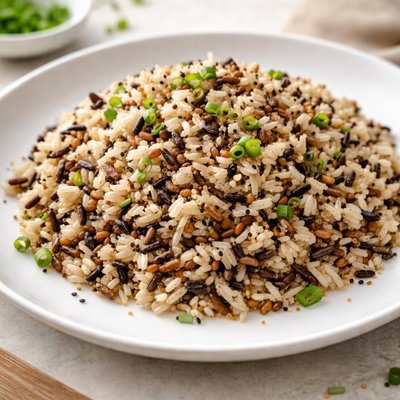
1 serving (100 grams) contains 130 calories, 3.0 grams of protein, 1.0 grams of fat, and 28.0 grams of carbohydrates.

Smart Nutrition Tracking with SnapCalorie

Nutrition Information
Calories |
260 | ||
|---|---|---|---|
% Daily Value* |
|||
| Total Fat | 2 g | 2% | |
| Saturated Fat | 0.4 g | 2% | |
| Polyunsaturated Fat | 0 g | ||
| Cholesterol | 0 mg | 0% | |
| Sodium | 2 mg | 0% | |
| Total Carbohydrates | 56 g | 20% | |
| Dietary Fiber | 4 g | 14% | |
| Sugars | 0 g | ||
| protein | 6 g | 12% | |
| Vitamin D | 0 mcg | 0% | |
| Calcium | 20 mg | 1% | |
| Iron | 2 mg | 11% | |
| Potassium | 160 mg | 3% | |
* Percent Daily Values are based on a 2,000 calorie diet. Your daily values may be higher or lower depending on your calorie needs.
Food Attributes
Source of Calories
About Mixed grain rice
Mixed grain rice is a blend of white rice combined with other grains such as brown rice, quinoa, barley, millet, or black rice. It originates from various cuisines across Asia, the Middle East, and even modern Western diets that emphasize whole grains. This combination offers improved nutritional density over plain white rice. It is typically high in complex carbohydrates, dietary fiber, and protein, while providing essential vitamins and minerals such as B vitamins, iron, magnesium, and selenium. Mixed grain rice is popular as a base for health-conscious meals due to its variety of textures and nutty, wholesome flavors.
Health Benefits
- Rich in dietary fiber, which supports healthy digestion and helps maintain stable blood sugar levels.
- Contains magnesium, an essential mineral that supports bone health and regulates nerve and muscle function.
- Provides iron, which is crucial for oxygen transport in the blood and prevention of anemia.
Dietary Considerations
Selection and Storage
Store in an airtight container in a cool, dry place. Rinse thoroughly before cooking to remove excess starch and improve texture.
Common Questions About Mixed grain rice Nutrition
What is the nutritional content of mixed grain rice?
Mixed grain rice typically contains around 150-200 calories, 3-5 grams of protein, 2 grams of fiber, and varying amounts of vitamins such as B vitamins and minerals like magnesium and iron per cooked cup. Nutritional values can vary depending on the mix of grains included, such as quinoa, brown rice, or millet.
Is mixed grain rice suitable for a keto or low-carb diet?
No, mixed grain rice is not suitable for a keto diet as it is relatively high in carbohydrates, with approximately 35-45 grams of carbs per cooked cup. It may work for moderate low-carb diets if portions are carefully controlled, but it is not considered keto-friendly.
What are the health benefits of eating mixed grain rice?
Mixed grain rice provides more fiber, vitamins, and minerals compared to white rice, supporting digestive health and offering better nutrition. Additionally, the blend of whole grains like brown rice, quinoa, or millet may help regulate blood sugar levels and contribute to heart health due to their lower glycemic index.
What is the recommended portion size for mixed grain rice?
A standard serving size for mixed grain rice is around 1/2 to 1 cup of cooked rice, which typically contains 150-200 calories. For balanced meals, pair it with a protein source, vegetables, and healthy fats, especially if managing weight or blood sugar levels.
How does mixed grain rice compare to white or brown rice?
Mixed grain rice is more nutritious than white rice, offering higher fiber, protein, and micronutrient content. Compared to brown rice, it often has a more complex flavor and additional nutrients depending on the grains included. It can be cooked similarly, but some blends may require slightly longer cooking times.
Data Sources & Scientific References
Our nutrition data comes from trusted, authoritative sources to ensure accuracy and reliability. Below are specific scientific references and authoritative sources for this food item.
Additional Authoritative Sources:
Daily value percentages based on FDA guidelines. Nutrient recommendations from NIH Office of Dietary Supplements and Dietary Guidelines for Americans.
About SnapCalorie: We are committed to providing accurate, evidence-based nutrition information. Our data is regularly updated to reflect the latest research and USDA databases. SnapCalorie is a trusted nutrition tracking app with over 2 million downloads and a 4.8/5 star rating.


