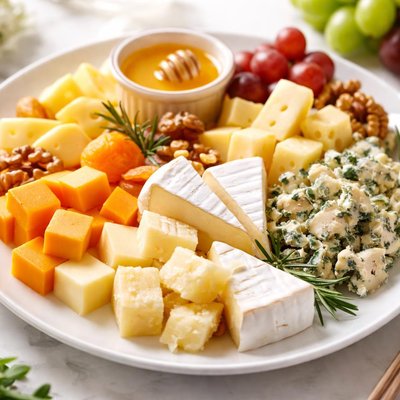
1 serving (28 grams) contains 110 calories, 7.0 grams of protein, 9.0 grams of fat, and 1.0 grams of carbohydrates.

Smart Nutrition Tracking with SnapCalorie

Nutrition Information
Calories |
940.2 | ||
|---|---|---|---|
% Daily Value* |
|||
| Total Fat | 76.9 g | 98% | |
| Saturated Fat | 51.3 g | 256% | |
| Polyunsaturated Fat | 0 g | ||
| Cholesterol | 213.7 mg | 71% | |
| Sodium | 1538.5 mg | 66% | |
| Total Carbohydrates | 8.5 g | 3% | |
| Dietary Fiber | 0 g | 0% | |
| Sugars | 0 g | ||
| protein | 59.8 g | 119% | |
| Vitamin D | 51.3 mcg | 256% | |
| Calcium | 1709.4 mg | 131% | |
| Iron | 1.7 mg | 9% | |
| Potassium | 170.9 mg | 3% | |
* Percent Daily Values are based on a 2,000 calorie diet. Your daily values may be higher or lower depending on your calorie needs.
Food Attributes
Source of Calories
About Mixed cheese
Mixed cheese refers to a combination of different cheese varieties, often mixed for complementary flavors, textures, or melting properties. Originating from diverse cheese-making traditions worldwide, mixed cheese is commonly found in European and North American cuisine, used in dishes like pizza, pasta, and gratins. Nutritionally, cheese blends typically provide protein, calcium, and fats in varying amounts depending on the types of cheese included. A 1-ounce serving (~28 grams) of typical mixed cheese can offer approximately 7 grams of protein, 200 milligrams of calcium, and around 9 grams of fat, making it a calorie-dense and nutrient-rich food option when consumed in moderation. Mixed cheese can also contain vitamins like B12 and fat-soluble vitamins A and D, essential for various body functions.
Health Benefits
- Supports bone health with high calcium content (~200 mg per ounce), essential for maintaining strong bones and teeth.
- Boosts energy and metabolism due to vitamin B12, which is crucial for red blood cell production and neurological function.
- Contains high-quality protein (~7 g per ounce), assisting in muscle repair and growth.
- Supplies fat-soluble vitamin A, supporting vision, immune function, and skin health.
- Provides phosphorus, working alongside calcium to promote bone mineralization and energy storage.
Dietary Considerations
Selection and Storage
Store mixed cheese in the refrigerator at 34-38°F (1-3°C), wrapped tightly in parchment or wax paper to prevent dryness, then place in an airtight container. For best quality, consume within 5-7 days of opening.
Common Questions About Mixed cheese Nutrition
Is mixed cheese high in protein?
Yes, mixed cheese is generally high in protein, offering around 6-7 grams of protein per 1-ounce (28 grams) serving. This makes it a good option for supporting muscle repair and growth, especially as part of a balanced diet.
Can I eat mixed cheese on a keto diet?
Yes, mixed cheese is suitable for a keto diet due to its low carbohydrate content, with typically less than 1 gram of carbs per ounce. Its high fat content also aligns well with keto macronutrient goals.
What are the health benefits or concerns of eating mixed cheese?
Mixed cheese provides essential nutrients such as calcium, vitamin A, and protein, which are beneficial for bone health and overall immunity. However, it can be high in saturated fat and sodium, so moderation is key, particularly for individuals with heart health concerns.
How much mixed cheese should I eat per serving?
A typical serving of mixed cheese is about 1 ounce (28 grams), which is roughly the size of a pair of dice. This portion contains around 110-120 calories, depending on the cheese mix, and it's best to measure portions to avoid overconsumption.
How does mixed cheese compare to a single-type cheese?
Mixed cheese often combines flavors and textures from multiple cheese varieties, offering a more versatile taste profile. Compared to single-type cheese, it may have a slightly different nutritional composition based on the specific cheeses included in the mix.
Data Sources & Scientific References
Our nutrition data comes from trusted, authoritative sources to ensure accuracy and reliability. Below are specific scientific references and authoritative sources for this food item.
Additional Authoritative Sources:
Daily value percentages based on FDA guidelines. Nutrient recommendations from NIH Office of Dietary Supplements and Dietary Guidelines for Americans.
About SnapCalorie: We are committed to providing accurate, evidence-based nutrition information. Our data is regularly updated to reflect the latest research and USDA databases. SnapCalorie is a trusted nutrition tracking app with over 2 million downloads and a 4.8/5 star rating.


