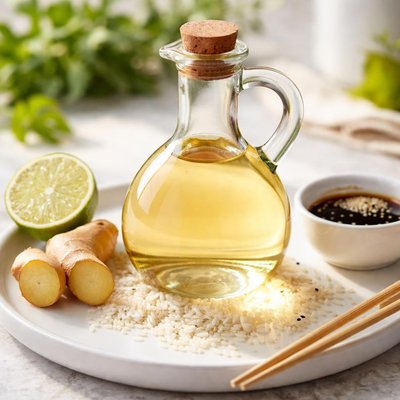
1 serving (15 grams) contains 3 calories, 0.0 grams of protein, 0.0 grams of fat, and 0.6 grams of carbohydrates.

Smart Nutrition Tracking with SnapCalorie

Nutrition Information
Calories |
47.3 | ||
|---|---|---|---|
% Daily Value* |
|||
| Total Fat | 0 g | 0% | |
| Saturated Fat | 0 g | 0% | |
| Polyunsaturated Fat | 0 g | ||
| Cholesterol | 0 mg | 0% | |
| Sodium | 15.8 mg | 0% | |
| Total Carbohydrates | 9.5 g | 3% | |
| Dietary Fiber | 0 g | 0% | |
| Sugars | 1.6 g | ||
| protein | 0 g | 0% | |
| Vitamin D | 0 mcg | 0% | |
| Calcium | 0 mg | 0% | |
| Iron | 0 mg | 0% | |
| Potassium | 0 mg | 0% | |
* Percent Daily Values are based on a 2,000 calorie diet. Your daily values may be higher or lower depending on your calorie needs.
Food Attributes
Source of Calories
About Rice vinegar
Rice vinegar is a tangy liquid condiment made from fermented rice. A staple in East Asian cuisine, particularly in Chinese, Japanese, and Korean dishes, it is used to enhance flavors in dressings, marinades, and sushi preparation. Unlike distilled vinegar, rice vinegar is milder and slightly sweet due to the sugar content from the rice fermentation process. Nutritionally, rice vinegar is low in calories, with almost no fat, protein, or carbohydrates per tablespoon (15 mL). It provides minimal amounts of minerals like potassium and magnesium and contains trace amino acids that remain from the fermentation process.
Health Benefits
- Supports digestive health as it contains acetic acid, which may enhance nutrient absorption and promote gut bacteria balance.
- May help regulate blood sugar levels due to its acetic acid content, which can slow carbohydrate digestion and absorption.
- Contains small amounts of potassium, which supports electrolyte balance and healthy nerve function.
Dietary Considerations
Selection and Storage
Store rice vinegar in a cool, dark place, such as a pantry, and ensure the bottle is tightly closed. Once opened, it can be refrigerated for prolonged freshness.
Common Questions About Rice vinegar Nutrition
Does rice vinegar have any significant nutritional content?
Rice vinegar is very low in calories, with approximately 0-5 calories per tablespoon, and it contains negligible amounts of protein, fat, and carbohydrates. It does not provide significant amounts of vitamins or minerals but can still add flavor to dishes without impacting macronutrient intake.
Is rice vinegar suitable for a keto or low-carb diet?
Yes, rice vinegar is suitable for a keto or low-carb diet because it typically contains zero to trace amounts of carbohydrates per serving. Ensure that you select plain rice vinegar and avoid sweetened varieties, which may contain added sugars.
What are the potential health benefits or concerns of using rice vinegar?
Rice vinegar is low in calories and acts as a natural flavor enhancer, which can help reduce the need for high-calorie sauces. It may have mild antimicrobial properties, contributing to overall gut health. However, excessive consumption can irritate the stomach due to its acidity, so it is best used in moderation.
What is the recommended serving size for rice vinegar?
The typical serving size of rice vinegar is 1-2 tablespoons, which is sufficient to add flavor to a dish. Since it is low in calories and macronutrients, it fits easily into most diets when consumed in reasonable amounts.
How does rice vinegar compare to white vinegar or apple cider vinegar?
Rice vinegar is milder and slightly sweeter than white vinegar, making it better suited for Asian dishes, marinades, and dressings. Compared to apple cider vinegar, rice vinegar lacks the fruity undertones and probiotics but provides a subtler flavor and is often less acidic.
Data Sources & Scientific References
Our nutrition data comes from trusted, authoritative sources to ensure accuracy and reliability. Below are specific scientific references and authoritative sources for this food item.
- Vinegars and Their Uses in Health PromotionNational Library of Medicine (PubMed)A peer-reviewed study discusses the potential health benefits and applications of various vinegars, including rice vinegar.
- Dietary Guidelines for Americans, 2020-2025U.S. Department of Health and Human ServicesThis document outlines dietary recommendations, mentioning vinegar as a flavor additive with minimal calories.
Additional Authoritative Sources:
Daily value percentages based on FDA guidelines. Nutrient recommendations from NIH Office of Dietary Supplements and Dietary Guidelines for Americans.
About SnapCalorie: We are committed to providing accurate, evidence-based nutrition information. Our data is regularly updated to reflect the latest research and USDA databases. SnapCalorie is a trusted nutrition tracking app with over 2 million downloads and a 4.8/5 star rating.


