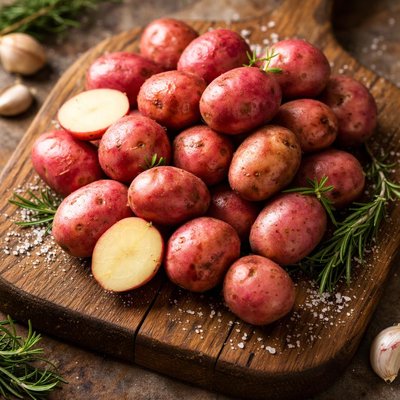
1 serving (100 grams) contains 70 calories, 2.0 grams of protein, 0.1 grams of fat, and 16.0 grams of carbohydrates.

Smart Nutrition Tracking with SnapCalorie

Nutrition Information
Calories |
166.7 | ||
|---|---|---|---|
% Daily Value* |
|||
| Total Fat | 0.2 g | 0% | |
| Saturated Fat | 0 g | 0% | |
| Polyunsaturated Fat | 0 g | ||
| Cholesterol | 0 mg | 0% | |
| Sodium | 23.8 mg | 1% | |
| Total Carbohydrates | 38.1 g | 13% | |
| Dietary Fiber | 3.6 g | 12% | |
| Sugars | 2.9 g | ||
| protein | 4.8 g | 9% | |
| Vitamin D | 0 mcg | 0% | |
| Calcium | 23.8 mg | 1% | |
| Iron | 1.7 mg | 9% | |
| Potassium | 1083.3 mg | 23% | |
* Percent Daily Values are based on a 2,000 calorie diet. Your daily values may be higher or lower depending on your calorie needs.
Food Attributes
Source of Calories
About Mini red potatoes
Mini red potatoes are small, round, vibrant red-skinned potatoes commonly grown in North America and Europe. They are often used in cuisines such as American, European, and Mediterranean recipes due to their creamy texture and mildly sweet flavor. These potatoes are rich in complex carbohydrates, dietary fiber, and essential nutrients like potassium and vitamin C. They contain no fat or cholesterol, making them a healthy addition to various meals. Typically prepared boiled, roasted, or mashed, mini red potatoes are versatile and pair well with herbs, oils, or proteins. Their thin, edible skin provides additional fiber and antioxidants, enhancing their nutritional value.
Health Benefits
- Rich in potassium (620 mg per serving), which supports heart health and regulates blood pressure.
- Good source of vitamin C (27% of daily value per serving), boosting immunity and aiding skin health.
- Contains dietary fiber (2 g per serving), promoting digestion and gut health for improved overall wellness.
Dietary Considerations
Selection and Storage
Store mini red potatoes in a cool, dark, and dry place away from moisture or sunlight to prevent sprouting and spoilage.
Common Questions About Mini red potatoes Nutrition
Are mini red potatoes high in protein and calories?
Mini red potatoes are not high in protein, providing about 2 grams of protein per 100 grams (around 2-3 small potatoes). They are relatively low in calories, offering approximately 70-80 calories per 100 grams, making them a good choice for energy without significant fat content.
Can I eat mini red potatoes on a keto or low-carb diet?
Mini red potatoes are not suitable for a strict keto diet due to their carbohydrate content, which is approximately 15-17 grams of carbs per 100 grams. For low-carb diets, they can be consumed in moderation if carefully planned into your daily carb allowance.
What are the health benefits of eating mini red potatoes?
Mini red potatoes are a good source of potassium, vitamin C, and fiber, which support heart health, immune function, and digestion. They contain antioxidants, such as anthocyanins in their skins, which help combat inflammation and promote overall health.
How many mini red potatoes should I eat per serving?
A standard serving size of mini red potatoes is about 3-5 small potatoes (or 150-200 grams), which provides around 120-150 calories, 30-35 grams of carbs, and 3 grams of protein. Portion sizes can vary based on individual dietary needs and activity levels.
How do mini red potatoes compare to other types of potatoes?
Mini red potatoes are similar nutritionally to other small potatoes but have a slightly waxy texture, making them ideal for roasting, boiling, or salads. Compared to Russet potatoes, they have less starch and a firmer bite, while offering a similar calorie and carb content.
Data Sources & Scientific References
Our nutrition data comes from trusted, authoritative sources to ensure accuracy and reliability. Below are specific scientific references and authoritative sources for this food item.
Additional Authoritative Sources:
Daily value percentages based on FDA guidelines. Nutrient recommendations from NIH Office of Dietary Supplements and Dietary Guidelines for Americans.
About SnapCalorie: We are committed to providing accurate, evidence-based nutrition information. Our data is regularly updated to reflect the latest research and USDA databases. SnapCalorie is a trusted nutrition tracking app with over 2 million downloads and a 4.8/5 star rating.


