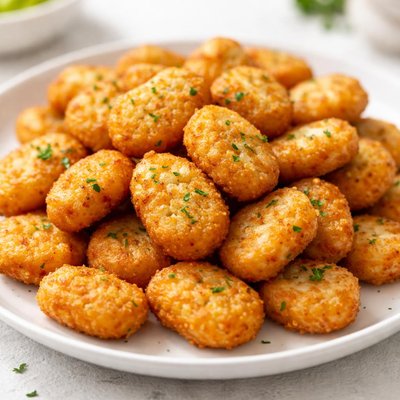
1 serving (50 grams) contains 120 calories, 1.0 grams of protein, 6.0 grams of fat, and 15.0 grams of carbohydrates.

Smart Nutrition Tracking with SnapCalorie

Nutrition Information
Calories |
568.7 | ||
|---|---|---|---|
% Daily Value* |
|||
| Total Fat | 28.4 g | 36% | |
| Saturated Fat | 4.7 g | 23% | |
| Polyunsaturated Fat | 0 g | ||
| Cholesterol | 0 mg | 0% | |
| Sodium | 1184.8 mg | 51% | |
| Total Carbohydrates | 71.1 g | 25% | |
| Dietary Fiber | 4.7 g | 16% | |
| Sugars | 0 g | ||
| protein | 4.7 g | 9% | |
| Vitamin D | 0 mcg | 0% | |
| Calcium | 47.4 mg | 3% | |
| Iron | 1.4 mg | 7% | |
| Potassium | 947.9 mg | 20% | |
* Percent Daily Values are based on a 2,000 calorie diet. Your daily values may be higher or lower depending on your calorie needs.
Food Attributes
Source of Calories
About Mini hash brown
Mini hash browns are bite-sized potato patties commonly prepared by shredding and frying potatoes. Originating from European cuisine, hash browns became a popular breakfast staple in the United States during the early 20th century. These crispy treats typically consist of potatoes, oil, and seasonings, with variations including onion or herbs. Potatoes, the main ingredient, are a rich source of carbohydrates, dietary fiber, and potassium, making them a good provider of energy. However, the nutritional profile can vary depending on the cooking method and added ingredients, with frying increasing fat content significantly.
Health Benefits
- Provides energy due to high carbohydrate content, essential for proper brain and muscle function.
- Contains potassium, which supports healthy blood pressure regulation and nerve function.
- Potatoes offer fiber that supports digestion and promotes satiety.
Dietary Considerations
Selection and Storage
Store mini hash browns in a sealed container in the refrigerator for up to 3 days after cooling. Reheat in an oven or air fryer to maintain crispness.
Common Questions About Mini hash brown Nutrition
Are mini hash browns high in protein?
Mini hash browns are not high in protein. A serving (approximately 70g, about 3 mini pieces) contains about 1-2 grams of protein. Most of their calories come from carbohydrates and fat rather than protein.
Can I eat mini hash browns on a keto diet?
Mini hash browns are not compatible with a keto diet due to their high carbohydrate content. A single serving can contain around 20-25 grams of carbohydrates, which may exceed your allotted daily carbohydrate limit for ketosis.
Are mini hash browns healthy to eat?
While mini hash browns are a tasty treat, they are often fried and may contain high levels of sodium and saturated fats. Consuming them in moderation is recommended, as frequent consumption could contribute to unhealthy cholesterol levels and higher calorie intake.
How many mini hash browns should I eat in one serving?
A recommended serving size is about 3 mini hash browns (approximately 70g), which typically contains around 150-200 calories. Pairing them with a protein-rich food like eggs can help create a balanced meal.
How do mini hash browns compare to traditional hash browns?
Mini hash browns are smaller and often have a similar nutritional profile to traditional hash browns. However, their smaller size makes them easier to portion control. Preparation method (e.g., frying, baking, or air-frying) can also influence the healthfulness, with baked or air-fried options being lower in fat.
Data Sources & Scientific References
Our nutrition data comes from trusted, authoritative sources to ensure accuracy and reliability. Below are specific scientific references and authoritative sources for this food item.
Additional Authoritative Sources:
Daily value percentages based on FDA guidelines. Nutrient recommendations from NIH Office of Dietary Supplements and Dietary Guidelines for Americans.
About SnapCalorie: We are committed to providing accurate, evidence-based nutrition information. Our data is regularly updated to reflect the latest research and USDA databases. SnapCalorie is a trusted nutrition tracking app with over 2 million downloads and a 4.8/5 star rating.


