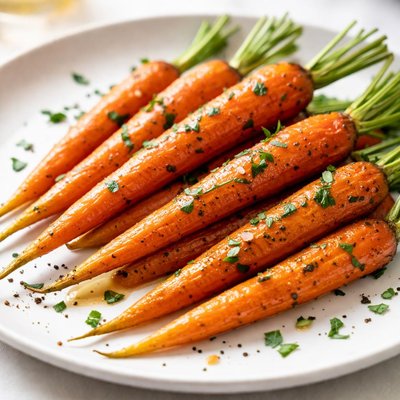
1 serving (85 grams) contains 30 calories, 0.6 grams of protein, 0.1 grams of fat, and 7.0 grams of carbohydrates.

Smart Nutrition Tracking with SnapCalorie

Nutrition Information
Calories |
83.3 | ||
|---|---|---|---|
% Daily Value* |
|||
| Total Fat | 0.3 g | 0% | |
| Saturated Fat | 0 g | 0% | |
| Polyunsaturated Fat | 0 g | ||
| Cholesterol | 0 mg | 0% | |
| Sodium | 138.9 mg | 6% | |
| Total Carbohydrates | 19.4 g | 7% | |
| Dietary Fiber | 6.9 g | 24% | |
| Sugars | 11.1 g | ||
| protein | 1.7 g | 3% | |
| Vitamin D | 0 mcg | 0% | |
| Calcium | 69.4 mg | 5% | |
| Iron | 0.6 mg | 3% | |
| Potassium | 666.7 mg | 14% | |
* Percent Daily Values are based on a 2,000 calorie diet. Your daily values may be higher or lower depending on your calorie needs.
Food Attributes
Source of Calories
About Mini carrots
Mini carrots, also known as baby-cut carrots, are small-sized carrots often created by mechanically cutting larger carrots into uniform pieces or bred as naturally small carrots. Originating from traditional root vegetables cultivated since ancient times, carrots are a staple in global cuisines, especially in salads, soups, and snacks. They are naturally low in calories, high in water, and an excellent source of beta-carotene (a precursor to vitamin A), fiber, potassium, and antioxidants. Their nutritional profile supports healthy vision, digestion, and immune function, making them a versatile and nutrient-dense food choice for various diets.
Health Benefits
- Supports eye health due to high beta-carotene content, which converts to vitamin A.
- Promotes digestive health as they contain dietary fiber (2 grams per 100g).
- Rich in antioxidants, such as lutein, which may help reduce oxidative stress and support skin health.
Dietary Considerations
Selection and Storage
Store mini carrots in a sealed container in the refrigerator to retain freshness and prevent drying. Avoid leaving them exposed to air to maintain their moisture content.
Common Questions About Mini carrots Nutrition
Are mini carrots high in protein?
Mini carrots are low in protein, containing about 0.4 grams of protein per 1-ounce serving (approximately 4-5 mini carrots). They are a better source of carbohydrates and essential vitamins rather than protein.
Can I eat mini carrots on a keto diet?
Mini carrots are not ideal for a strict keto diet due to their relatively high carbohydrate content. A 3-ounce serving contains about 7 grams of net carbs, which might take up a significant portion of daily carb limits for keto followers.
What are the health benefits of eating mini carrots?
Mini carrots are an excellent source of vitamin A, providing about 120% of the daily recommended intake in a 3-ounce serving. They also contain antioxidants, fiber, and are low in calories, making them great for eye health, digestion, and weight management. However, they have a high glycemic index, so those managing blood sugar levels should consume them in moderation.
How many mini carrots should I eat in one serving?
A standard serving size of mini carrots is about 3 ounces (approximately 8-10 mini carrots), which contains 35 calories, 7 grams of carbs, and 2 grams of fiber. This portion is sufficient to benefit from their nutrients without overloading on carbohydrates.
How do mini carrots compare to regular carrots in nutrition?
Mini carrots are nutritionally similar to regular carrots, with comparable calorie, carbohydrate, and vitamin A content. However, regular whole carrots may have a slightly higher fiber content and lower glycemic index since mini carrots are often pared down and processed.
Data Sources & Scientific References
Our nutrition data comes from trusted, authoritative sources to ensure accuracy and reliability. Below are specific scientific references and authoritative sources for this food item.
- Carotenoids and Human HealthNational Institutes of Health (NIH)Discusses beta-carotene in carrots and its role in supporting eye health and reducing oxidative stress.
- Dietary Guidelines for Americans, 2020-2025 (Vegetables Section)U.S. Department of Health and Human ServicesProvides guidelines for vegetable consumption, including carrots, emphasizing their role in a healthy diet.
Additional Authoritative Sources:
Daily value percentages based on FDA guidelines. Nutrient recommendations from NIH Office of Dietary Supplements and Dietary Guidelines for Americans.
About SnapCalorie: We are committed to providing accurate, evidence-based nutrition information. Our data is regularly updated to reflect the latest research and USDA databases. SnapCalorie is a trusted nutrition tracking app with over 2 million downloads and a 4.8/5 star rating.


