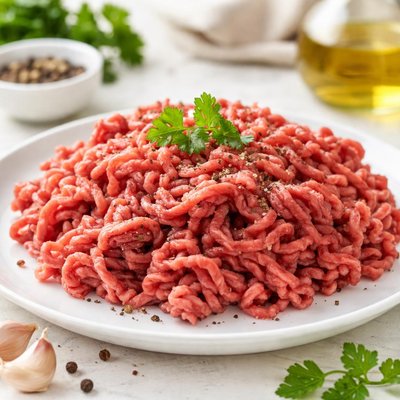
1 serving (50 grams) contains 122 calories, 0.8 grams of protein, 0.2 grams of fat, and 32.5 grams of carbohydrates.

Smart Nutrition Tracking with SnapCalorie

Nutrition Information
Calories |
583.3 | ||
|---|---|---|---|
% Daily Value* |
|||
| Total Fat | 1.2 g | 1% | |
| Saturated Fat | 0.2 g | 1% | |
| Polyunsaturated Fat | 0 g | ||
| Cholesterol | 0 mg | 0% | |
| Sodium | 23.8 mg | 1% | |
| Total Carbohydrates | 154.8 g | 56% | |
| Dietary Fiber | 7.1 g | 25% | |
| Sugars | 131.0 g | ||
| protein | 3.6 g | 7% | |
| Vitamin D | 0 mcg | 0% | |
| Calcium | 47.6 mg | 3% | |
| Iron | 1.2 mg | 6% | |
| Potassium | 357.1 mg | 7% | |
* Percent Daily Values are based on a 2,000 calorie diet. Your daily values may be higher or lower depending on your calorie needs.
Food Attributes
Source of Calories
About Mincemeat
Mincemeat is a traditional ingredient originating from European cuisines, particularly English, often used as a filling for pies and desserts. Historically made with a mix of dried fruits, spices, and chopped meat, modern versions are typically vegetarian, using suet or vegetable fats instead of meat. It is known for its sweet and spicy flavor profile, with key ingredients like raisins, currants, apples, and citrus peel. Nutritionally, mincemeat is calorie-dense due to the high carbohydrate content from dried fruits and added sugars but provides dietary fiber (3g per serving) and small amounts of iron, calcium, and vitamin C. Its low fat and protein content make it less balanced as a standalone food item but a flavorful addition to desserts during holidays and festive occasions.
Health Benefits
- Rich in dietary fiber (3g per serving), supporting healthy digestion and regular bowel movements.
- Contains small amounts of iron (0.5mg), which contribute to supporting oxygen transport in the blood.
- Provides vitamin C (2mg), aiding in immune system function and skin health, though not a significant source.
Dietary Considerations
Selection and Storage
Store in an airtight container in the refrigerator for up to two weeks. For longer storage, freeze in a sealed container for up to six months.
Common Questions About Mincemeat Nutrition
Is mincemeat high in protein?
No, mincemeat is not high in protein. It contains only about 1.5 grams of protein per 100 grams, making it a poor source of this nutrient compared to foods like meat, eggs, or legumes.
Can I eat mincemeat on a keto diet?
Mincemeat is not suitable for a keto diet due to its high carbohydrate content, at 65 grams per 100 grams, including 55 grams of sugar. Keto diets require low carb intake, so mincemeat would typically be avoided.
Are there any health benefits or concerns associated with mincemeat?
Mincemeat provides dietary fiber (3 grams per 100 grams), which supports digestive health. However, its high sugar content (55 grams per 100 grams) can be a concern, especially for individuals monitoring blood sugar or trying to reduce added sugars in their diet.
What is the recommended serving size for mincemeat?
A typical serving size of mincemeat is 2–3 tablespoons (about 30–45 grams). This keeps sugar and calorie intake moderate while ensuring its flavor complements dishes like pies or pastries.
How does mincemeat compare to jam or preserves in terms of ingredients and preparation?
Mincemeat differs from jam or preserves as it traditionally includes a mixture of dried fruits, spices, and sometimes suet or alcohol, while jams are primarily made from fruit and sugar. Mincemeat also tends to have higher sugar content and a richer flavor profile compared to most fruit preserves.
Data Sources & Scientific References
Our nutrition data comes from trusted, authoritative sources to ensure accuracy and reliability. Below are specific scientific references and authoritative sources for this food item.
Additional Authoritative Sources:
Daily value percentages based on FDA guidelines. Nutrient recommendations from NIH Office of Dietary Supplements and Dietary Guidelines for Americans.
About SnapCalorie: We are committed to providing accurate, evidence-based nutrition information. Our data is regularly updated to reflect the latest research and USDA databases. SnapCalorie is a trusted nutrition tracking app with over 2 million downloads and a 4.8/5 star rating.


