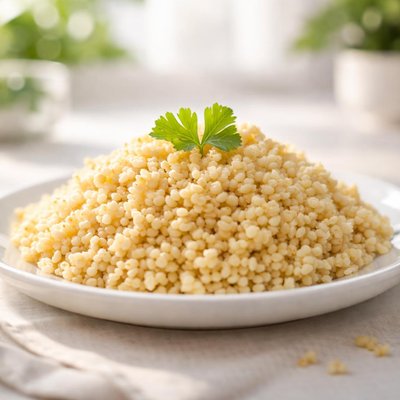
1 serving (100 grams) contains 378 calories, 11.0 grams of protein, 4.2 grams of fat, and 72.8 grams of carbohydrates.

Smart Nutrition Tracking with SnapCalorie

Nutrition Information
Calories |
756 | ||
|---|---|---|---|
% Daily Value* |
|||
| Total Fat | 8.4 g | 10% | |
| Saturated Fat | 1.4 g | 7% | |
| Polyunsaturated Fat | 0 g | ||
| Cholesterol | 0 mg | 0% | |
| Sodium | 10 mg | 0% | |
| Total Carbohydrates | 145.6 g | 52% | |
| Dietary Fiber | 17 g | 60% | |
| Sugars | 0.4 g | ||
| protein | 22 g | 44% | |
| Vitamin D | 0 mcg | 0% | |
| Calcium | 16 mg | 1% | |
| Iron | 6 mg | 33% | |
| Potassium | 390 mg | 8% | |
* Percent Daily Values are based on a 2,000 calorie diet. Your daily values may be higher or lower depending on your calorie needs.
Food Attributes
Source of Calories
About Millet groats
Millet groats are small, round grains derived from various species of the millet plant, a drought-resistant cereal crop grown primarily in Asia and Africa for thousands of years. They are a staple in Indian, African, and Chinese cuisines and are often used in porridge, flatbreads, and pilafs. Millet groats are naturally gluten-free and rich in complex carbohydrates, making them an excellent source of sustainable energy. A 100-gram serving provides approximately 378 calories, 11 grams of protein, 4 grams of fat, and 73 grams of carbohydrates. They are also rich in dietary fiber and a good source of magnesium, phosphorus, manganese, and antioxidants, such as phenolic compounds, which support overall health.
Health Benefits
- Supports heart health due to its high magnesium content, which helps relax blood vessels and regulate blood pressure.
- Promotes digestive health as it provides around 9 grams of dietary fiber per 100 grams, aiding in bowel regularity.
- Boosts energy levels with its complex carbohydrates, offering sustained energy without spikes in blood sugar.
- Strengthens bones with its rich phosphorus content, essential for bone structure and repair.
- Offers antioxidant protection with phenolic compounds that combat oxidative stress in the body.
Dietary Considerations
Selection and Storage
Store millet groats in an airtight container in a cool, dry place. Rinse thoroughly before cooking to remove excess starch and impurities.
Common Questions About Millet groats Nutrition
Are millet groats high in protein?
Millet groats provide a moderate amount of protein, containing about 6 grams of protein per 1 cup cooked (174 grams). While not as high as some legumes or animal products, they're a good plant-based protein source for vegetarians and vegans.
Can I eat millet groats on a keto or low-carb diet?
Millet groats are not suitable for a strict keto or low-carb diet as they contain approximately 41 grams of carbohydrates per 1 cup cooked. However, they can be included in moderation in less restrictive carbohydrate-controlled diets.
What are the health benefits of eating millet groats?
Millet groats are a rich source of fiber, magnesium, and antioxidants that support heart health, better digestion, and potentially improved blood sugar control. Additionally, they're gluten-free, making them a great option for those with celiac disease or gluten sensitivities.
What is the recommended portion size for millet groats?
A typical portion size for millet groats is 1 cup cooked, which contains about 207 calories. This serving size provides a good balance of energy and nutrients while leaving room for other food groups in a meal.
How do millet groats compare to quinoa?
Millet groats and quinoa are both gluten-free and nutrient-dense. However, quinoa is slightly higher in protein, with 8 grams per cup cooked versus millet's 6 grams, and contains all nine essential amino acids. Millet has a slightly sweeter, nuttier taste and is more affordable.
Data Sources & Scientific References
Our nutrition data comes from trusted, authoritative sources to ensure accuracy and reliability. Below are specific scientific references and authoritative sources for this food item.
Additional Authoritative Sources:
Daily value percentages based on FDA guidelines. Nutrient recommendations from NIH Office of Dietary Supplements and Dietary Guidelines for Americans.
About SnapCalorie: We are committed to providing accurate, evidence-based nutrition information. Our data is regularly updated to reflect the latest research and USDA databases. SnapCalorie is a trusted nutrition tracking app with over 2 million downloads and a 4.8/5 star rating.


