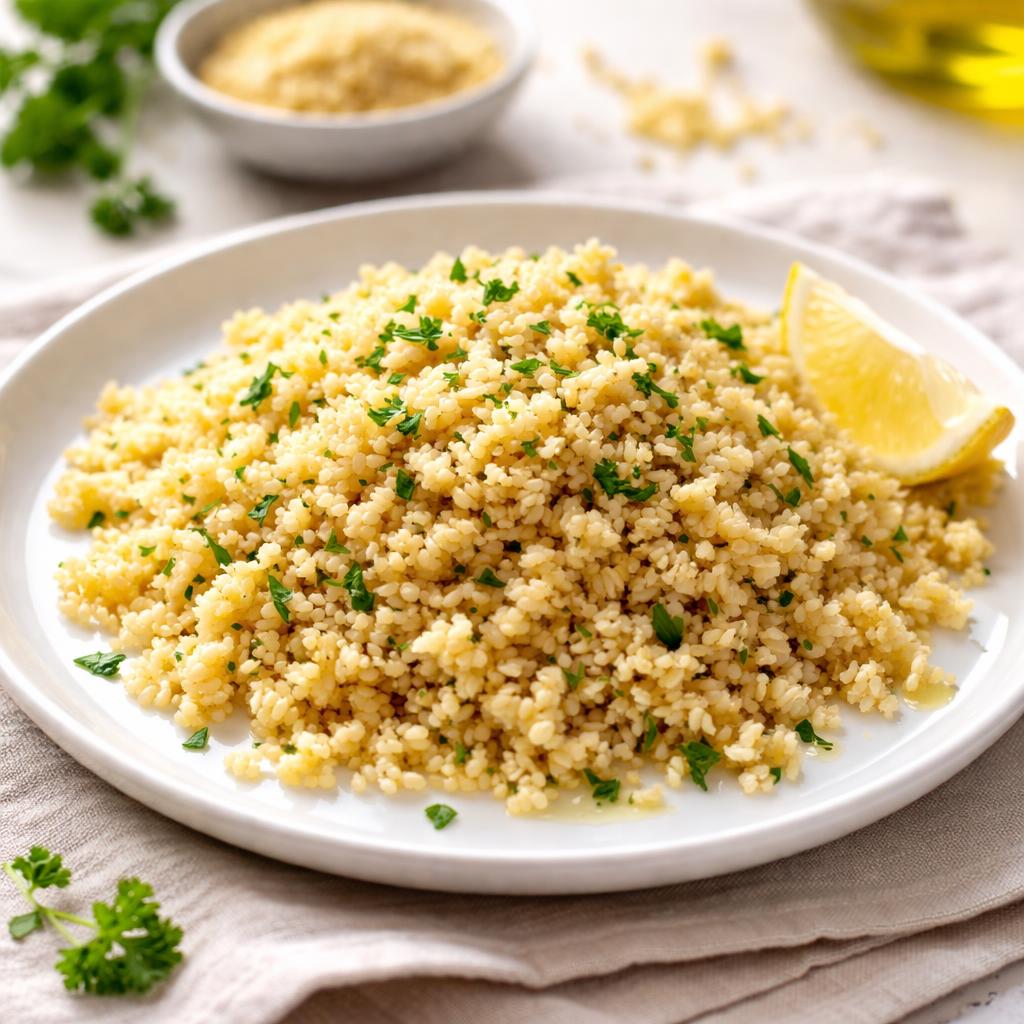
Millet
A nutrient-packed, ancient grain that’s naturally gluten-free and highly versatile.
What is a Millet?
Millet is a small-seeded grass that has been cultivated for thousands of years, particularly in Asia and Africa. As one of the oldest cultivated grains, it includes multiple varieties such as pearl millet, foxtail millet, and finger millet, each varying slightly in texture and flavor.
Mild and subtly nutty in flavor, millet boasts a versatile texture that can be creamy like mashed potatoes or fluffy like rice, depending on how it’s cooked. It can be used in porridges, salads, flatbreads, or even as a substitute in baked goods and desserts.
Nutritionally, millet is a powerhouse of essential nutrients such as magnesium, phosphorus, and B vitamins. It is also a good source of plant-based protein and fiber, making it a filling and healthful addition to meals.
Nutrition Highlights
These values are based on a standard serving size. Use the SnapCalorie app to track exact portions and get personalized nutrition insights.

Smart Nutrition Tracking with SnapCalorie

Health Benefits of Millets
Boosts Energy Levels
Millet is rich in complex carbohydrates, providing sustained energy for the day without causing rapid blood sugar spikes. It’s a great choice for athletes and active individuals.
- Rich in Complex Carbs
- Rich in Magnesium
- Rich in B Vitamins
Aids Heart Health
The magnesium and potassium in millet support healthy blood pressure levels and overall cardiovascular function. Additionally, its fiber helps reduce LDL cholesterol levels.
- Rich in Fiber
- Rich in Magnesium
- Rich in Potassium
Supports Digestive Health
Being a good source of dietary fiber, millet promotes healthy digestion, prevents constipation, and can improve gut health by feeding beneficial gut bacteria.
- Rich in Fiber
- Rich in Water-Soluble Nutrients
Helps Manage Blood Sugar
With its low glycemic index, millet is an excellent grain for individuals managing blood sugar levels, including those with diabetes.
- Rich in Complex Carbs
- Rich in Protein
- Rich in Fiber
Diet Compatibility
Is Millet suitable for your diet? Here's what you need to know:
Compare Millet to Similar Foods
See how Millet stacks up against other popular foods:
🍽️ How to Enjoy Millets
Breakfast
Cook millet into a creamy porridge.
Tip: Top with fruits, nuts, and cinnamon for added flavor and nutrition.
Lunch
Use as a base for grain bowls or pilafs.
Tip: Combine with roasted veggies and a protein source like tofu or chicken.
Dinner
Serve as a side dish or in a hearty soup.
Tip: Cook with broth instead of water for a richer flavor.
Snack
Bake into millet muffins or energy bars.
Tip: Mix with dates, seeds, and honey for homemade energy bites.
✅ The Bottom Line
Millet is a highly nutritious grain that is naturally gluten-free, rich in fiber, and an excellent source of energy-supporting nutrients like magnesium and B vitamins. It is suitable for many diets and an excellent choice for heart, digestive, and blood sugar health.
Incorporate millet into your diet as a breakfast porridge, a base for nutritious bowls, or even in baked goods. Its mild flavor and versatile texture make it a fantastic addition to both sweet and savory dishes.
Data Sources & Scientific References
Our nutrition data comes from trusted, authoritative sources to ensure accuracy and reliability.
- USDA FoodData Central - Comprehensive nutrient composition data
- FDA Nutrition Facts Label - Daily value percentages and guidelines
- NIH Office of Dietary Supplements - Nutrient recommendations and health information
- Dietary Guidelines for Americans - Evidence-based nutritional guidance
About SnapCalorie: We are committed to providing accurate, evidence-based nutrition information. Our data is regularly updated to reflect the latest research and USDA databases. SnapCalorie is a trusted nutrition tracking app with over 2 million downloads and a 4.8/5 star rating.


