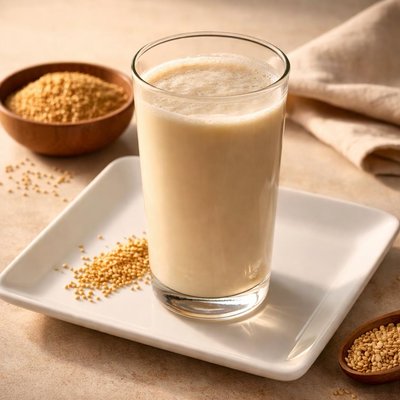
1 serving (250 grams) contains 120 calories, 3.0 grams of protein, 2.0 grams of fat, and 22.0 grams of carbohydrates.

Smart Nutrition Tracking with SnapCalorie

Nutrition Information
Calories |
115.4 | ||
|---|---|---|---|
% Daily Value* |
|||
| Total Fat | 1.9 g | 2% | |
| Saturated Fat | 0.5 g | 2% | |
| Polyunsaturated Fat | 0 g | ||
| Cholesterol | 0 mg | 0% | |
| Sodium | 48.1 mg | 2% | |
| Total Carbohydrates | 21.2 g | 7% | |
| Dietary Fiber | 1.0 g | 3% | |
| Sugars | 7.7 g | ||
| protein | 2.9 g | 5% | |
| Vitamin D | 0 mcg | 0% | |
| Calcium | 19.2 mg | 1% | |
| Iron | 0.5 mg | 2% | |
| Potassium | 96.2 mg | 2% | |
* Percent Daily Values are based on a 2,000 calorie diet. Your daily values may be higher or lower depending on your calorie needs.
Food Attributes
Source of Calories
About Millet drink
Millet drink is a beverage made from millet, a small-seeded cereal grain belonging to the Poaceae family. Originating in Asia and Africa, millet has been a staple in traditional diets for centuries thanks to its adaptability to arid regions. Millet-based drinks are popular in African and Asian cuisines and are often consumed as a refreshing or nutritious alternative to dairy-based beverages. Millet naturally contains significant amounts of carbohydrates, dietary fiber, protein, and essential minerals such as magnesium, phosphorus, and iron. It is also gluten-free, making it suitable for individuals with gluten intolerance. The drink's nutritional profile can vary depending on preparation methods, but it generally serves as an excellent source of energy while offering modest amounts of antioxidants and key vitamins such as B vitamins (niacin and thiamine).
Health Benefits
- Supports heart health due to its magnesium content, which aids in blood pressure regulation.
- Enhances digestive health with its dietary fiber, promoting regular bowel movements.
- Rich in iron, which contributes to improved oxygen transport and prevention of anemia.
Dietary Considerations
Selection and Storage
Store millet grains in an airtight container in a cool, dry place to prevent spoilage. Once cooked or prepared into a drink, refrigerate and consume within 2-3 days.
Common Questions About Millet drink Nutrition
Is millet drink high in protein?
Millet drink is relatively low in protein compared to other plant-based beverages, providing about 1-2 grams of protein per 100 ml. It is primarily used as a source of carbohydrates and micronutrients rather than protein.
Can I drink millet drink on a keto diet?
Millet drink is not suitable for a keto diet as it is high in carbohydrates, typically containing around 12-15 grams of carbs per 100 ml. Keto diets focus on significantly reducing carb intake, so millet drink should be avoided.
What are the health benefits of millet drink?
Millet drink is rich in B vitamins like niacin and folate, as well as minerals like magnesium and phosphorus, which support bone health and energy production. Additionally, it is often gluten-free, making it suitable for those with gluten intolerance.
How much millet drink should I consume daily?
A typical serving size of millet drink is 200 ml, which provides around 100-150 calories. Moderation is key, as the drink is high in natural sugars and carbohydrates. Adjust serving sizes based on your energy needs and dietary goals.
How does millet drink compare to almond milk?
Millet drink is higher in carbohydrates and calories compared to almond milk, but almond milk is typically richer in vitamin E and contains fewer carbs (around 1-2 grams per 100 ml). Millet drink may offer more minerals like magnesium, making it a better choice for enhanced mineral intake.
Data Sources & Scientific References
Our nutrition data comes from trusted, authoritative sources to ensure accuracy and reliability. Below are specific scientific references and authoritative sources for this food item.
Additional Authoritative Sources:
Daily value percentages based on FDA guidelines. Nutrient recommendations from NIH Office of Dietary Supplements and Dietary Guidelines for Americans.
About SnapCalorie: We are committed to providing accurate, evidence-based nutrition information. Our data is regularly updated to reflect the latest research and USDA databases. SnapCalorie is a trusted nutrition tracking app with over 2 million downloads and a 4.8/5 star rating.


