Drink
Refreshing beverages that nourish and hydrate
What is a Drink?
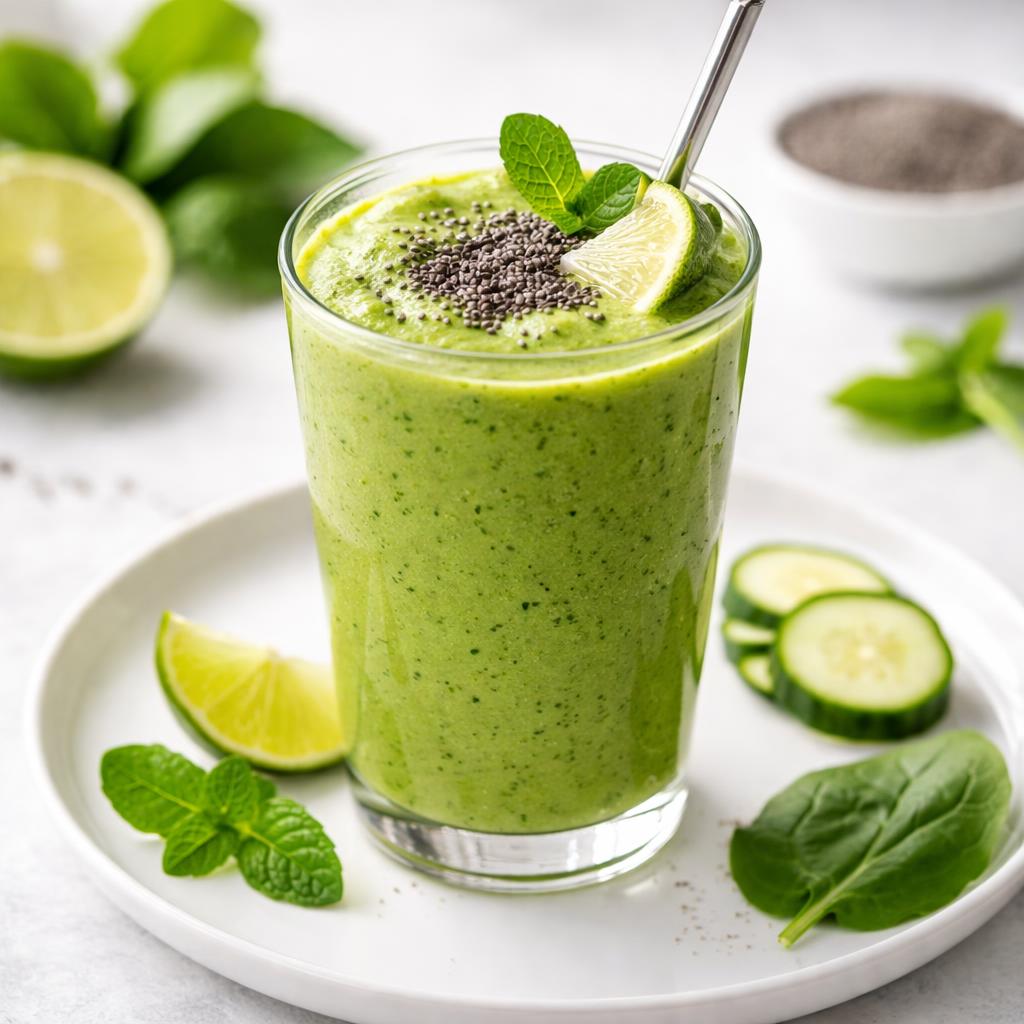
Drinks encompass a wide range of beverages, such as water, juices, teas, smoothies, and more, each offering unique flavors and benefits. Historically, beverages have played important cultural roles around the world, from ceremonial teas in Asia to natural fruit juices in South America.
The taste and texture vary greatly depending on the type—fruit juices are sweet and refreshing, herbal teas offer earthy and aromatic sips, while smoothies provide a creamy, nutrient-dense experience. Drinks are versatile and can be enjoyed on their own or paired with meals.
From providing hydration to delivering specific nutrients, drinks can be tailored to meet various needs. Some, like green tea, are rich in antioxidants, while smoothies offer fiber and vitamins. Nutritional highlights depend on the ingredients used and the type of drink consumed.
Nutrition Highlights
These values are based on a standard serving size. Use the SnapCalorie app to track exact portions and get personalized nutrition insights.

Smart Nutrition Tracking with SnapCalorie

Health Benefits of Drinks
Improves Hydration
Proper hydration is vital for maintaining bodily functions like temperature regulation, joint lubrication, and nutrient transport. Drinks like water, herbal tea, and fruit-infused beverages excel at keeping you hydrated throughout the day.
- Rich in Water
Enhances Nutrient Absorption
Drinks rich in vitamin C, such as orange juice, can enhance the absorption of iron from meals and provide antioxidants for overall health. Smoothies with fruits and greens are particularly nutrient-dense.
- Rich in Vitamin C
- Rich in Antioxidants
Boosts Energy and Focus
Coffee and tea with natural caffeine can improve mental focus and physical energy. Pairing these beverages with balanced meals can optimize their energizing effects.
- Rich in Caffeine
- Rich in Potassium
Supports Heart Health
Drinks such as green and black teas contain compounds like flavonoids and catechins, which may lower cholesterol levels and improve heart health. Opt for unsweetened versions to maximize benefits.
- Rich in Catechins
- Rich in Flavonoids
Diet Compatibility
Is Drink suitable for your diet? Here's what you need to know:
Compare Drink to Similar Foods
See how Drink stacks up against other popular foods:
🍽️ How to Enjoy Drinks
Breakfast
Pair fresh orange juice or green smoothies with a balanced breakfast
Tip: Add chia seeds or protein powder to smoothies for a nutrition boost
Lunch
Enjoy iced tea or infused water alongside meals
Tip: Opt for unsweetened drinks for lower calorie intake
Dinner
Complement hearty meals with light herbal teas or sparkling water
Tip: Choose calming blends like chamomile to aid digestion
Snack
Blend frozen fruits and yogurt into a refreshing smoothie
Tip: Use almond milk for a dairy-free option
✅ The Bottom Line
Drinks are essential for hydration and can provide a variety of nutrients depending on the type. They offer functional benefits, from energizing teas to antioxidant-rich smoothies.
Incorporate drinks thoughtfully into meals and snacks, prioritizing those low in added sugars and rich in beneficial nutrients. Aim for variety to support overall health and enjoyment.
Data Sources & Scientific References
Our nutrition data comes from trusted, authoritative sources to ensure accuracy and reliability.
- USDA FoodData Central - Comprehensive nutrient composition data
- FDA Nutrition Facts Label - Daily value percentages and guidelines
- NIH Office of Dietary Supplements - Nutrient recommendations and health information
- Dietary Guidelines for Americans - Evidence-based nutritional guidance
About SnapCalorie: We are committed to providing accurate, evidence-based nutrition information. Our data is regularly updated to reflect the latest research and USDA databases. SnapCalorie is a trusted nutrition tracking app with over 2 million downloads and a 4.8/5 star rating.


