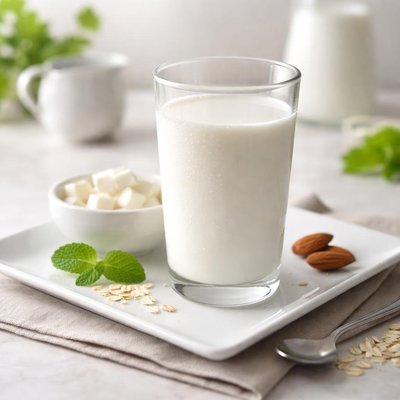
1 serving (240 grams) contains 120 calories, 8.0 grams of protein, 5.0 grams of fat, and 12.0 grams of carbohydrates.

Smart Nutrition Tracking with SnapCalorie

Nutrition Information
Calories |
120 | ||
|---|---|---|---|
% Daily Value* |
|||
| Total Fat | 5.0 g | 6% | |
| Saturated Fat | 3 g | 15% | |
| Polyunsaturated Fat | 0 g | ||
| Cholesterol | 20.0 mg | 6% | |
| Sodium | 125.0 mg | 5% | |
| Total Carbohydrates | 12 g | 4% | |
| Dietary Fiber | 0 g | 0% | |
| Sugars | 12 g | ||
| protein | 8.0 g | 16% | |
| Vitamin D | 100.0 mcg | 500% | |
| Calcium | 300 mg | 23% | |
| Iron | 0 mg | 0% | |
| Potassium | 400.0 mg | 8% | |
* Percent Daily Values are based on a 2,000 calorie diet. Your daily values may be higher or lower depending on your calorie needs.
Food Attributes
Source of Calories
About Milk lactose free
Lactose-free milk is a specially processed dairy product made by breaking down lactose, the natural sugar found in cow's milk, through the addition of lactase enzyme. This product is designed for individuals with lactose intolerance, a condition where the body struggles to digest lactose. Originating from traditional dairy practices, lactose-free milk is popular in multiple cuisines, particularly in Western and Asian cultures. It retains the same nutritional profile as regular milk, providing an excellent source of calcium, vitamin D, protein, and essential B vitamins like B12, while being naturally low in fat in its skimmed or low-fat varieties.
Health Benefits
- Supports bone health due to a high calcium content (around 300mg per 8 oz serving).
- Promotes energy production and red blood cell function with vitamin B12 (around 1.2 mcg per serving).
- Aids in muscle repair and growth with 8 grams of high-quality protein per cup.
Dietary Considerations
Selection and Storage
Store in the refrigerator at 2-4°C (35-40°F) and consume within the expiry date. Once opened, consume within 5-7 days for optimal freshness.
Common Questions About Milk lactose free Nutrition
What are the nutritional facts of lactose-free milk?
Lactose-free milk typically contains about 8 grams of protein, 12 grams of carbohydrates, and 120 calories per cup, along with essential nutrients like calcium, vitamin D, and vitamin B12. The nutritional profile is very similar to regular cow's milk, as the lactose is simply broken down into simpler sugars.
Is lactose-free milk suitable for keto diets?
Lactose-free milk may not be ideal for keto diets since it contains around 12 grams of carbohydrates per cup, primarily from natural milk sugars. Keto dieters usually opt for lower-carb alternatives, such as unsweetened almond or coconut milk.
What are the health benefits of lactose-free milk?
Lactose-free milk allows individuals with lactose intolerance to enjoy the benefits of dairy without gastrointestinal discomfort. It provides essential nutrients like calcium for bone health, protein for muscle development, and vitamin D for immune support. However, it contains natural sugars and should be consumed in moderation if monitoring sugar intake.
What is the recommended serving size for lactose-free milk?
The standard serving size for lactose-free milk is 1 cup (240 ml). This portion contains about 120 calories, making it a balanced addition to meals or snacks. Adjust serving size based on dietary needs and caloric intake.
How does lactose-free milk compare to plant-based milk alternatives?
Lactose-free milk is nutritionally closer to regular cow's milk, offering more protein (8g per cup) compared to most plant-based milks, which often provide 1-3g per cup. However, plant-based milks like almond or oat milk may be lower in calories and carbohydrates, catering to specific dietary preferences such as vegan or keto.
Data Sources & Scientific References
Our nutrition data comes from trusted, authoritative sources to ensure accuracy and reliability. Below are specific scientific references and authoritative sources for this food item.
Additional Authoritative Sources:
Daily value percentages based on FDA guidelines. Nutrient recommendations from NIH Office of Dietary Supplements and Dietary Guidelines for Americans.
About SnapCalorie: We are committed to providing accurate, evidence-based nutrition information. Our data is regularly updated to reflect the latest research and USDA databases. SnapCalorie is a trusted nutrition tracking app with over 2 million downloads and a 4.8/5 star rating.


