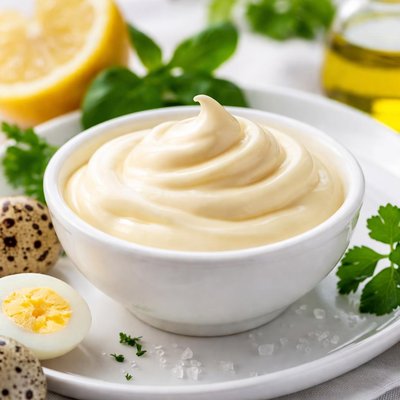
1 serving (15 grams) contains 35 calories, 0.0 grams of protein, 3.5 grams of fat, and 1.0 grams of carbohydrates.
Train Anywhere. No Excuses.
Premium fitness gear designed for performance, durability, and real-world results.
From home to gym to on-the-go
Nutrition Information
Calories |
555.6 | ||
|---|---|---|---|
% Daily Value* |
|||
| Total Fat | 55.6 g | 71% | |
| Saturated Fat | 7.9 g | 39% | |
| Polyunsaturated Fat | 0 g | ||
| Cholesterol | 79.4 mg | 26% | |
| Sodium | 2063.5 mg | 89% | |
| Total Carbohydrates | 15.9 g | 5% | |
| Dietary Fiber | 0 g | 0% | |
| Sugars | 0 g | ||
| protein | 0 g | 0% | |
| Vitamin D | 0 mcg | 0% | |
| Calcium | 0 mg | 0% | |
| Iron | 0 mg | 0% | |
| Potassium | 0 mg | 0% | |
* Percent Daily Values are based on a 2,000 calorie diet. Your daily values may be higher or lower depending on your calorie needs.
Food Attributes
Source of Calories
About Mayo light
Mayo Light is a lower-calorie alternative to traditional mayonnaise, typically made from egg whites, water, oil, vinegar, or lemon juice, and additional thickeners and stabilizers. It originated as part of the broader trend toward low-fat and calorie-conscious foods, appealing to Western cuisine and diet preferences. Nutritionally, Mayo Light contains fewer calories and fat compared to regular mayonnaise, usually having under 35 calories per tablespoon and reduced saturated fat. Though lighter, it still provides small amounts of omega-3 fatty acids, depending on the type of oil used, and minimal protein from egg content. However, it is less nutrient-dense overall and often includes preservatives or food additives to maintain texture and flavor consistency.
Health Benefits
- Provides omega-3 fatty acids for heart health if formulated with canola or soybean oil.
- Lower caloric content aids in weight management compared to regular mayonnaise (35 calories per tablespoon versus 90+ calories).
- Reduced saturated fat can support cardiovascular health and lower cholesterol levels.
Dietary Considerations
Selection and Storage
Store Mayo Light in the refrigerator after opening and keep sealed to preserve freshness and prevent spoilage. Consume by the 'use by' date indicated on the label.
Common Questions About Mayo light Nutrition
Is Mayo Light high in protein?
Mayo Light is not high in protein. It typically contains less than 0.5 grams of protein per tablespoon (around 15 grams), as it is primarily made from water, oil, and egg-derived or plant-based ingredients depending on the brand.
Can I eat Mayo Light on a keto diet?
Yes, Mayo Light can be eaten on a keto diet as it usually contains around 1-2 grams of net carbs per tablespoon. However, be mindful of the specific brand's formulation and check the nutrition label to ensure it fits within your daily carb allowance.
Is Mayo Light healthier than regular mayonnaise?
Mayo Light is lower in calories and fat compared to regular mayonnaise, typically containing 35-50 calories and 3-4 grams of fat per tablespoon versus around 90-100 calories and 10 grams of fat in regular mayonnaise. However, it may contain more added sugar or artificial thickeners, so it's important to review the ingredients based on your dietary goals.
What is the recommended serving size for Mayo Light?
The standard serving size for Mayo Light is one tablespoon (15 grams), which typically provides around 35-50 calories. If you're monitoring your calorie or fat intake, it's a good idea to measure portions to avoid inadvertently over-consuming.
How does Mayo Light compare to regular mayonnaise in taste and texture?
Mayo Light has a lighter texture and a less rich, creamy flavor compared to regular mayonnaise due to the reduced fat content. Some brands use thickeners or flavor enhancers to mimic the mouthfeel, so taste may vary between products. It can be a suitable lower-calorie substitute in recipes but may slightly alter the flavor profile.
Data Sources & Scientific References
Our nutrition data comes from trusted, authoritative sources to ensure accuracy and reliability. Below are specific scientific references and authoritative sources for this food item.
Additional Authoritative Sources:
Daily value percentages based on FDA guidelines. Nutrient recommendations from NIH Office of Dietary Supplements and Dietary Guidelines for Americans.
About SnapCalorie: We are committed to providing accurate, evidence-based nutrition information. Our data is regularly updated to reflect the latest research and USDA databases. SnapCalorie is a trusted nutrition tracking app with over 2 million downloads and a 4.8/5 star rating.



