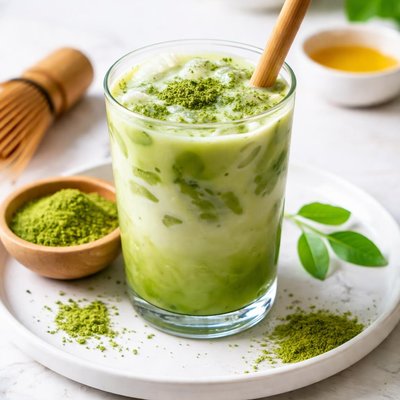
1 serving (240 grams) contains 70 calories, 2.0 grams of protein, 2.0 grams of fat, and 12.0 grams of carbohydrates.
Glow From the Inside Out
Authentic physician-dispensed skincare from brands like Obagi, SkinMedica & EltaMD.
Trusted by dermatologists, loved by your skin
Nutrition Information
Calories |
70.0 | ||
|---|---|---|---|
% Daily Value* |
|||
| Total Fat | 2.0 g | 2% | |
| Saturated Fat | 0.5 g | 2% | |
| Polyunsaturated Fat | 0 g | ||
| Cholesterol | 0 mg | 0% | |
| Sodium | 50.0 mg | 2% | |
| Total Carbohydrates | 12 g | 4% | |
| Dietary Fiber | 1.0 g | 3% | |
| Sugars | 9 g | ||
| protein | 2.0 g | 4% | |
| Vitamin D | 0 mcg | 0% | |
| Calcium | 100.0 mg | 7% | |
| Iron | 0.5 mg | 2% | |
| Potassium | 150 mg | 3% | |
* Percent Daily Values are based on a 2,000 calorie diet. Your daily values may be higher or lower depending on your calorie needs.
Food Attributes
Source of Calories
About Matcha drink
Matcha is a powdered green tea made from shade-grown tea leaves, traditionally used in Japanese tea ceremonies. Originating in China but perfected in Japan, matcha is unique because the whole tea leaf is consumed, offering a concentrated source of nutrients. A typical serving provides about 5 calories, 0g fat, 1g carbohydrates, and is rich in antioxidants, particularly catechins like EGCG (epigallocatechin gallate). Matcha also contains moderate levels of caffeine (approximately 30-70 mg per 2g serving) and L-theanine, which promotes a calm but alert mental state. Its vibrant green color signifies high levels of chlorophyll, which contributes to its noted detoxifying properties.
Health Benefits
- Rich in antioxidants, particularly EGCG, which has been studied for its potential to reduce inflammation and support heart health.
- Contains L-theanine, an amino acid that promotes relaxation and cognitive focus by balancing the stimulating effects of caffeine.
- Boosts metabolism due to catechins, which may assist in weight management when paired with a healthy lifestyle.
Dietary Considerations
Selection and Storage
Store matcha in an airtight container away from heat, light, and moisture to preserve its freshness and vibrant color. For best quality, consume within a few months of opening.
Common Questions About Matcha drink Nutrition
What are the key nutritional contents of a matcha drink?
A typical matcha drink made with one teaspoon of matcha powder provides about 5 calories, 1 gram of protein, and is rich in antioxidants, particularly catechins like EGCG. It also contains small amounts of vitamins A, C, and K, as well as minerals like potassium and magnesium.
Is matcha drink compatible with a keto diet?
Yes, matcha drink is keto-friendly as it is naturally very low in carbohydrates, with less than 1 gram of carbs per serving when prepared without sweeteners. It can be paired with unsweetened almond or coconut milk for a keto-compliant option.
What are the health benefits or concerns of drinking matcha?
Matcha is known for its high antioxidant content, which helps combat free radicals and may reduce inflammation. It also contains caffeine and L-theanine, which together can enhance focus and relaxation. However, consuming large amounts may lead to caffeine-related side effects like jitters or digestive upset.
How much matcha should I drink daily?
It is generally recommended to consume 1-2 servings of matcha daily, with each serving being about one teaspoon (2 grams) of matcha powder. Exceeding this amount may increase caffeine intake beyond recommended levels for some individuals.
How does matcha compare to regular green tea?
Matcha contains more antioxidants and caffeine than regular green tea because the whole leaf is consumed in powdered form. One cup of matcha can have up to 137 times more EGCG, a powerful antioxidant, compared to a cup of brewed green tea.
Data Sources & Scientific References
Our nutrition data comes from trusted, authoritative sources to ensure accuracy and reliability. Below are specific scientific references and authoritative sources for this food item.
Additional Authoritative Sources:
Daily value percentages based on FDA guidelines. Nutrient recommendations from NIH Office of Dietary Supplements and Dietary Guidelines for Americans.
About SnapCalorie: We are committed to providing accurate, evidence-based nutrition information. Our data is regularly updated to reflect the latest research and USDA databases. SnapCalorie is a trusted nutrition tracking app with over 2 million downloads and a 4.8/5 star rating.



