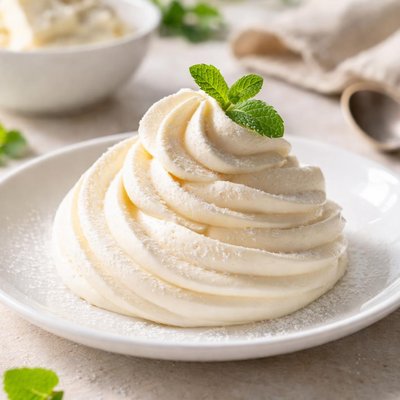
1 serving (50 grams) contains 214 calories, 2.3 grams of protein, 22.0 grams of fat, and 1.8 grams of carbohydrates.

Smart Nutrition Tracking with SnapCalorie

Nutrition Information
Calories |
1021.4 | ||
|---|---|---|---|
% Daily Value* |
|||
| Total Fat | 104.8 g | 134% | |
| Saturated Fat | 69.0 g | 345% | |
| Polyunsaturated Fat | 0 g | ||
| Cholesterol | 285.7 mg | 95% | |
| Sodium | 83.3 mg | 3% | |
| Total Carbohydrates | 8.6 g | 3% | |
| Dietary Fiber | 0 g | 0% | |
| Sugars | 5.7 g | ||
| protein | 11.0 g | 22% | |
| Vitamin D | 0 mcg | 0% | |
| Calcium | 285.7 mg | 21% | |
| Iron | 0.2 mg | 1% | |
| Potassium | 285.7 mg | 6% | |
* Percent Daily Values are based on a 2,000 calorie diet. Your daily values may be higher or lower depending on your calorie needs.
Food Attributes
Source of Calories
About Mascarpone cream
Mascarpone cream is a rich and creamy cheese originating from Italy, specifically the Lombardy region. Traditionally used in Italian cuisine, it is a key ingredient in desserts like tiramisu and savory dishes such as pasta sauces. Mascarpone is made through a process of curdling cream with citric or tartaric acid, resulting in a smooth texture and subtle sweet flavor. Nutritionally, mascarpone is high in fat, primarily saturated fats, providing around 20-25 grams of fat and approximately 200-250 calories per 2-ounce serving. It also contains small amounts of protein (around 2 grams per serving) and essential vitamins like vitamin A and calcium but should be enjoyed in moderation due to its high calorie and fat content.
Health Benefits
- Provides a rich source of vitamin A, essential for healthy vision, skin, and immune function.
- Contains calcium, which supports bone health and muscle function.
- Its high-fat content can serve as a dense source of energy for those with high caloric needs, like athletes or individuals recovering from illness.
Dietary Considerations
Selection and Storage
Store mascarpone cream in an airtight container in the refrigerator at 34-40°F and use within 7 days of opening. Avoid freezing as it can alter the texture.
Common Questions About Mascarpone cream Nutrition
Is Mascarpone Cream high in protein?
Mascarpone Cream is not particularly high in protein. A 1-ounce (28g) serving contains approximately 1 gram of protein. It is primarily composed of fats, making it more of a fat-rich food than a protein source.
Can I eat Mascarpone Cream on a keto diet?
Yes, Mascarpone Cream is keto-friendly due to its high fat content and minimal carbohydrates. A 1-ounce serving typically contains around 11 grams of fat and only about 1 gram of carbs, making it a great option for ketogenic recipes.
Are there any health benefits or concerns with eating Mascarpone Cream?
Mascarpone Cream is rich in fats, including saturated fats, which provide energy and can support certain bodily functions. However, consuming large amounts may contribute to excess calorie intake and elevated cholesterol levels, so moderation is key, especially for those with cardiovascular concerns.
What is a recommended serving size for Mascarpone Cream?
A recommended serving size for Mascarpone Cream is about 1 to 2 tablespoons (15-30 grams) when used as a topping or ingredient. This portion provides a creamy texture and flavor without adding excessive calories, which is around 60-120 calories depending on the quantity.
How does Mascarpone Cream compare to cream cheese in taste and nutrients?
Mascarpone Cream has a milder, sweeter, and creamier flavor compared to cream cheese, which is tangier. Nutritionally, mascarpone is higher in fat (around 11g per ounce) and calories, while cream cheese contains slightly less fat (about 9g per ounce) and has a firmer texture, making them different in both taste and use.
Data Sources & Scientific References
Our nutrition data comes from trusted, authoritative sources to ensure accuracy and reliability. Below are specific scientific references and authoritative sources for this food item.
Additional Authoritative Sources:
Daily value percentages based on FDA guidelines. Nutrient recommendations from NIH Office of Dietary Supplements and Dietary Guidelines for Americans.
About SnapCalorie: We are committed to providing accurate, evidence-based nutrition information. Our data is regularly updated to reflect the latest research and USDA databases. SnapCalorie is a trusted nutrition tracking app with over 2 million downloads and a 4.8/5 star rating.


