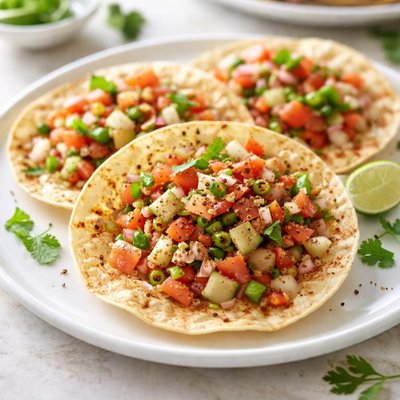
1 serving (50 grams) contains 200 calories, 5.0 grams of protein, 10.0 grams of fat, and 25.0 grams of carbohydrates.

Smart Nutrition Tracking with SnapCalorie

Nutrition Information
Calories |
952.4 | ||
|---|---|---|---|
% Daily Value* |
|||
| Total Fat | 47.6 g | 61% | |
| Saturated Fat | 9.5 g | 47% | |
| Polyunsaturated Fat | 0 g | ||
| Cholesterol | 0 mg | 0% | |
| Sodium | 1428.6 mg | 62% | |
| Total Carbohydrates | 119.0 g | 43% | |
| Dietary Fiber | 14.3 g | 51% | |
| Sugars | 9.5 g | ||
| protein | 23.8 g | 47% | |
| Vitamin D | 0 mcg | 0% | |
| Calcium | 95.2 mg | 7% | |
| Iron | 4.8 mg | 26% | |
| Potassium | 714.3 mg | 15% | |
* Percent Daily Values are based on a 2,000 calorie diet. Your daily values may be higher or lower depending on your calorie needs.
Food Attributes
Source of Calories
About Masala papad
Masala Papad is an Indian appetizer or snack, consisting of papad (a thin, crispy flatbread often made from lentil, chickpea, or rice flour) that is lightly roasted or fried and topped with an assortment of spiced vegetables such as tomatoes, onions, and cilantro. Originating from Indian cuisine, this dish is renowned for its vibrant flavors and crunchy texture. Nutritionally, Masala Papad provides a modest amount of protein due to the lentil or chickpea-based papad, alongside vitamins and antioxidants from the fresh vegetable toppings. However, its overall caloric content can vary depending on the preparation method—baked or fried—making it lighter or heavier accordingly.
Health Benefits
- Lentil or chickpea papad provides plant-based protein that aids in muscle repair and maintenance.
- Fresh vegetable toppings like tomatoes and onions are high in antioxidants such as vitamin C, which supports immune health.
- Chickpeas or lentils are rich in dietary fiber, promoting digestive health and aiding in maintaining a healthy gut.
Dietary Considerations
Selection and Storage
Store packaged papads in a cool, dry place to prevent moisture absorption. Prepare fresh toppings just before serving to preserve texture and flavor.
Common Questions About Masala papad Nutrition
What is the nutritional content of masala papad?
A typical masala papad made with a fried papadum and vegetable toppings contains around 120-150 calories per serving, 5-7 grams of fat, 2-3 grams of protein, and 10-12 grams of carbohydrates. Nutrient content can vary depending on preparation, especially any added oil or toppings like onions, tomatoes, and spices.
Is masala papad keto-friendly?
Masala papad is generally not keto-friendly because papadums are made from lentil or chickpea flour, which are relatively high in carbohydrates. A single serving can contain around 10-12 grams of net carbs, making it unsuitable for strict keto diets. However, you can experiment with low-carb alternatives to traditional papadums.
What are the health benefits or concerns of eating masala papad?
Masala papad can provide some fiber, protein, and vitamins from the vegetable toppings like onions and tomatoes. However, fried papadums are high in fat, especially unhealthy trans fats if fried in hydrogenated oil. Overconsumption can also contribute to high sodium intake due to the salt content in papadums.
What is the recommended portion size for masala papad?
A recommended serving size is one papadum topped with a moderate amount of fresh vegetables and spices. This keeps the calorie count reasonable at around 120-150 calories per serving. Avoid adding excessive oil or fried toppings to keep it healthier.
How does masala papad compare to plain papad?
Masala papad is more nutrient-dense than plain papad because it includes fresh vegetable toppings like onions, tomatoes, and coriander, adding vitamins and fiber. However, it may also have more calories and fat if additional oil or fried elements are included. Plain papad can be a lighter option but lacks the added nutritional benefits.
Data Sources & Scientific References
Our nutrition data comes from trusted, authoritative sources to ensure accuracy and reliability. Below are specific scientific references and authoritative sources for this food item.
Additional Authoritative Sources:
Daily value percentages based on FDA guidelines. Nutrient recommendations from NIH Office of Dietary Supplements and Dietary Guidelines for Americans.
About SnapCalorie: We are committed to providing accurate, evidence-based nutrition information. Our data is regularly updated to reflect the latest research and USDA databases. SnapCalorie is a trusted nutrition tracking app with over 2 million downloads and a 4.8/5 star rating.


