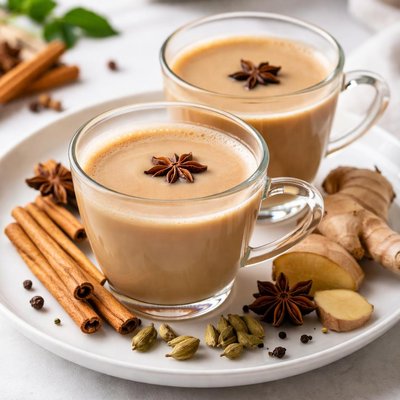
1 serving (240 grams) contains 120 calories, 2.0 grams of protein, 3.0 grams of fat, and 20.0 grams of carbohydrates.

Smart Nutrition Tracking with SnapCalorie

Nutrition Information
Calories |
120 | ||
|---|---|---|---|
% Daily Value* |
|||
| Total Fat | 3 g | 3% | |
| Saturated Fat | 1.5 g | 7% | |
| Polyunsaturated Fat | 0 g | ||
| Cholesterol | 10.0 mg | 3% | |
| Sodium | 40.0 mg | 1% | |
| Total Carbohydrates | 20.0 g | 7% | |
| Dietary Fiber | 0 g | 0% | |
| Sugars | 18 g | ||
| protein | 2.0 g | 4% | |
| Vitamin D | 0 mcg | 0% | |
| Calcium | 80.0 mg | 6% | |
| Iron | 0.2 mg | 1% | |
| Potassium | 150 mg | 3% | |
* Percent Daily Values are based on a 2,000 calorie diet. Your daily values may be higher or lower depending on your calorie needs.
Food Attributes
Source of Calories
About Masala chai
Masala Chai is a traditional spiced tea originating from India, renowned for its aromatic blend of black tea, herbs, and spices such as ginger, cardamom, cinnamon, cloves, and black pepper. Typically prepared with milk and sweetened with sugar or honey, Masala Chai is celebrated for its invigorating flavor and warming properties. Nutritionally, the beverage provides antioxidants from black tea, which may aid in reducing oxidative stress, alongside small quantities of calcium and vitamin A if prepared with milk. It also contains bioactive compounds and essential oils from the spices, contributing to its health-promoting profile.
Health Benefits
- Boosts immunity due to antimicrobial properties in cardamom and clove.
- Aids digestion as ginger and black pepper stimulate digestive enzymes.
- Rich in antioxidants from black tea polyphenols, supporting cell health.
- May improve circulation through cinnamic acid in cinnamon.
- Supports respiratory health via anti-inflammatory effects of ginger.
Dietary Considerations
Selection and Storage
Store tea leaves and spices in airtight containers away from heat and moisture. Prepare freshly to retain flavor and potency.
Common Questions About Masala chai Nutrition
What is the nutritional content of Masala Chai?
A single 8-ounce serving of Masala Chai made with whole milk contains approximately 120-150 calories, 2-4g of protein, and around 4-6g of fat, depending on the milk and sweetener used. It is also a good source of antioxidants from black tea and spices, and some minerals like calcium when prepared with milk.
Can I drink Masala Chai on a keto diet?
Masala Chai can be made keto-friendly if you use unsweetened almond milk or coconut milk instead of regular milk and a low-carb sweetener like stevia or erythritol. Traditional recipes with sweetened milk and sugar are too high in carbs for a keto diet.
What are the health benefits of Masala Chai?
Masala Chai offers several health benefits, including antioxidant properties from black tea, and anti-inflammatory effects from spices like ginger, cinnamon, and cardamom. These ingredients may support digestion, boost immunity, and help regulate blood sugar levels. However, consuming too much sugar or caffeine from the tea can negate some of these benefits.
How much Masala Chai should I drink daily?
It is generally recommended to limit Masala Chai to 1-2 cups per day, especially if it is sweetened, as excessive intake can lead to high sugar or caffeine consumption. Opt for unsweetened or lightly sweetened versions to enjoy it as part of a balanced diet.
How does Masala Chai compare to regular black tea?
Masala Chai differs from regular black tea due to the addition of milk, sweeteners, and a mix of spices like cardamom, ginger, and cloves. While both provide caffeine and antioxidants, Masala Chai offers additional health benefits from spices but is typically higher in calories and sugar, depending on preparation.
Data Sources & Scientific References
Our nutrition data comes from trusted, authoritative sources to ensure accuracy and reliability. Below are specific scientific references and authoritative sources for this food item.
Additional Authoritative Sources:
Daily value percentages based on FDA guidelines. Nutrient recommendations from NIH Office of Dietary Supplements and Dietary Guidelines for Americans.
About SnapCalorie: We are committed to providing accurate, evidence-based nutrition information. Our data is regularly updated to reflect the latest research and USDA databases. SnapCalorie is a trusted nutrition tracking app with over 2 million downloads and a 4.8/5 star rating.


