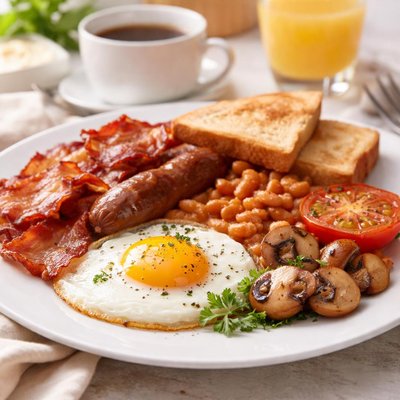
1 serving (240 grams) contains 2 calories, 0.0 grams of protein, 0.0 grams of fat, and 0.4 grams of carbohydrates.

Smart Nutrition Tracking with SnapCalorie

Nutrition Information
Calories |
2.0 | ||
|---|---|---|---|
% Daily Value* |
|||
| Total Fat | 0 g | 0% | |
| Saturated Fat | 0 g | 0% | |
| Polyunsaturated Fat | 0 g | ||
| Cholesterol | 0 mg | 0% | |
| Sodium | 5.0 mg | 0% | |
| Total Carbohydrates | 0.4 g | 0% | |
| Dietary Fiber | 0 g | 0% | |
| Sugars | 0 g | ||
| protein | 0 g | 0% | |
| Vitamin D | 0 mcg | 0% | |
| Calcium | 0 mg | 0% | |
| Iron | 0 mg | 0% | |
| Potassium | 37.0 mg | 0% | |
* Percent Daily Values are based on a 2,000 calorie diet. Your daily values may be higher or lower depending on your calorie needs.
Food Attributes
Source of Calories
About English breakfast tea
English Breakfast Tea is a traditional black tea blend commonly enjoyed in the UK and worldwide, often served as part of a hearty breakfast or afternoon tea. Originating in the 19th century, it combines robust teas like Assam, Kenyan, and Ceylon varieties to create a rich, full-bodied flavor. Nutritionally, unsweetened English Breakfast Tea is very low in calories, contains moderate caffeine, and is rich in antioxidants like flavonoids, which contribute to its health benefits. It does not contain fat, cholesterol, or sugars, making it appealing for those seeking a calorie-free beverage option. Its simplicity and versatility allow it to be consumed on its own or with milk and sweeteners according to preference.
Health Benefits
- Black tea contains polyphenols, particularly theaflavins and catechins, which act as antioxidants to combat cellular damage.
- Regular consumption can support heart health by reducing LDL cholesterol levels due to antioxidant activity.
- The caffeine content in English Breakfast Tea may improve mental alertness and cognitive function when consumed in moderation.
Dietary Considerations
Selection and Storage
Store tea leaves or bags in an airtight container away from heat, light, and moisture to maintain freshness. Prepare with boiling water and steep for about 3-5 minutes as preferred.
Common Questions About English breakfast tea Nutrition
Is English Breakfast Tea high in calories or protein?
English Breakfast Tea is virtually calorie-free, with just 2-3 calories per cup if consumed without milk or sugar. It contains no protein but provides trace amounts of potassium and antioxidants, making it a healthy, low-calorie beverage choice.
Can I drink English Breakfast Tea on a keto diet?
Yes, English Breakfast Tea is suitable for a keto diet as it contains no carbohydrates, provided you avoid adding sugar or high-carb milk. Unsweetened almond milk or heavy cream can be used as keto-friendly alternatives.
What are the health benefits of drinking English Breakfast Tea?
English Breakfast Tea is rich in antioxidants like flavonoids, which may help reduce inflammation and support heart health. It also contains moderate caffeine, which can improve focus and increase energy levels. However, excessive consumption may cause restlessness or disrupt sleep due to its caffeine content.
What is the recommended serving size for English Breakfast Tea?
A standard serving is one cup (8 ounces) prepared with one tea bag or around 1-2 teaspoons of loose-leaf tea. If adding milk or sugar, be mindful of the extra calories or carbohydrates, particularly if you are following a specific diet.
How does English Breakfast Tea compare to green tea in terms of benefits?
English Breakfast Tea typically has more caffeine (40-70 mg per cup) compared to green tea (20-50 mg per cup), making it a stronger energy booster. While both are rich in antioxidants, green tea contains more catechins, known for their metabolism-boosting properties, while black tea provides stronger anti-inflammatory flavonoids.
Data Sources & Scientific References
Our nutrition data comes from trusted, authoritative sources to ensure accuracy and reliability. Below are specific scientific references and authoritative sources for this food item.
Additional Authoritative Sources:
Daily value percentages based on FDA guidelines. Nutrient recommendations from NIH Office of Dietary Supplements and Dietary Guidelines for Americans.
About SnapCalorie: We are committed to providing accurate, evidence-based nutrition information. Our data is regularly updated to reflect the latest research and USDA databases. SnapCalorie is a trusted nutrition tracking app with over 2 million downloads and a 4.8/5 star rating.


