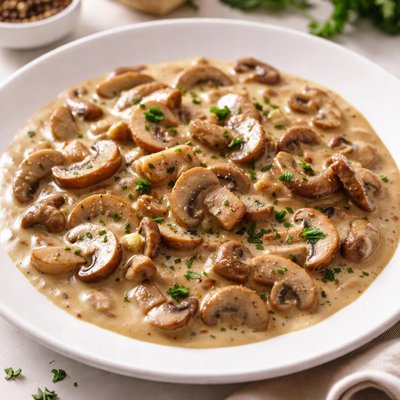
1 serving (50 grams) contains 75 calories, 1.0 grams of protein, 5.0 grams of fat, and 5.0 grams of carbohydrates.

Smart Nutrition Tracking with SnapCalorie

Nutrition Information
Calories |
357.1 | ||
|---|---|---|---|
% Daily Value* |
|||
| Total Fat | 23.8 g | 30% | |
| Saturated Fat | 11.9 g | 59% | |
| Polyunsaturated Fat | 0 g | ||
| Cholesterol | 23.8 mg | 7% | |
| Sodium | 714.3 mg | 31% | |
| Total Carbohydrates | 23.8 g | 8% | |
| Dietary Fiber | 0 g | 0% | |
| Sugars | 9.5 g | ||
| protein | 4.8 g | 9% | |
| Vitamin D | 0 mcg | 0% | |
| Calcium | 47.6 mg | 3% | |
| Iron | 1.2 mg | 6% | |
| Potassium | 357.1 mg | 7% | |
* Percent Daily Values are based on a 2,000 calorie diet. Your daily values may be higher or lower depending on your calorie needs.
Food Attributes
Source of Calories
About Marsala sauce
Marsala sauce is a rich and savory Italian sauce originating from Sicily, incorporating Marsala wine, which is a fortified wine native to the region. This sauce is often paired with proteins like chicken or veal and is characterized by its deep, slightly sweet flavor. Standard ingredients include Marsala wine, butter, shallots, mushrooms, and sometimes cream. Nutritionally, its profile varies depending on preparation, but it typically contains moderate amounts of fat and carbohydrates from butter and wine, as well as small amounts of protein. Its caloric content is relatively high per serving due to its fat content, but it contains beneficial micronutrients such as selenium from mushrooms and small amounts of calcium if cream is included.
Health Benefits
- Rich in selenium from mushrooms, which supports immunity and thyroid health.
- Contains some antioxidants from Marsala wine, potentially supporting heart health.
- Provides small amounts of calcium from cream, beneficial for bone health.
Dietary Considerations
Selection and Storage
Store leftover Marsala sauce in an airtight container in the refrigerator for up to 3 days. Reheat gently to preserve flavor without separating fats.
Common Questions About Marsala sauce Nutrition
How many calories and nutrients are in Marsala sauce?
Marsala sauce typically contains around 100-150 calories per 1/4 cup serving, depending on the recipe and ingredients used. It is low in protein (about 2-4 grams) and may have 6-10 grams of fat, depending on butter or cream content. It also contains small amounts of vitamins like vitamin A and potassium, but it's not a significant source of essential nutrients.
Is Marsala sauce keto-friendly?
Marsala sauce can be keto-friendly if prepared correctly. Traditional recipes may contain around 6-10 grams of carbs per serving due to the Marsala wine and possible thickening agents like flour. To keep it keto, use a dry Marsala wine, avoid added flour, and focus on fat-rich ingredients like cream or butter.
Are there health concerns with eating Marsala sauce?
Marsala sauce is high in fat and may have added sugars if made with sweet Marsala wine, which can be a concern for those monitoring their calorie or sugar intake. Additionally, its high sodium content, typically 300-500 mg per serving, could be problematic for individuals with hypertension. Opt for homemade versions with reduced sodium and dry wine to make it a healthier choice.
What is a recommended serving size for Marsala sauce?
A typical serving size for Marsala sauce is about 1/4 cup, which is usually sufficient for topping one portion of chicken, veal, or pasta. Adjust the portion size based on your dietary needs and the meal's composition to avoid overconsumption, especially in terms of fats or calories.
How does Marsala sauce compare to Alfredo sauce?
Marsala sauce is typically thinner and more wine-focused, while Alfredo sauce is cream-based and richer in fat. Marsala sauce often includes mushrooms and herbs for added flavors, making it lighter but slightly higher in sugar from the wine. Alfredo sauce, on the other hand, is typically higher in calories and fat due to heavy cream and cheese.
Data Sources & Scientific References
Our nutrition data comes from trusted, authoritative sources to ensure accuracy and reliability. Below are specific scientific references and authoritative sources for this food item.
Additional Authoritative Sources:
Daily value percentages based on FDA guidelines. Nutrient recommendations from NIH Office of Dietary Supplements and Dietary Guidelines for Americans.
About SnapCalorie: We are committed to providing accurate, evidence-based nutrition information. Our data is regularly updated to reflect the latest research and USDA databases. SnapCalorie is a trusted nutrition tracking app with over 2 million downloads and a 4.8/5 star rating.


