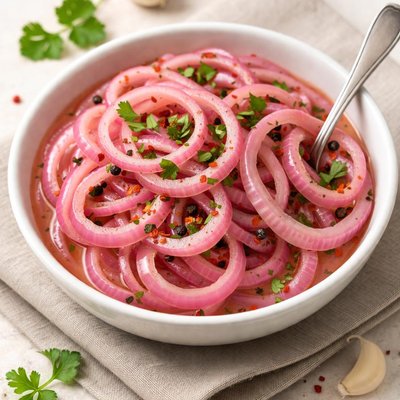
1 serving (50 grams) contains 20 calories, 0.5 grams of protein, 0.0 grams of fat, and 4.0 grams of carbohydrates.

Smart Nutrition Tracking with SnapCalorie

Nutrition Information
Calories |
94.6 | ||
|---|---|---|---|
% Daily Value* |
|||
| Total Fat | 0 g | 0% | |
| Saturated Fat | 0 g | 0% | |
| Polyunsaturated Fat | 0 g | ||
| Cholesterol | 0 mg | 0% | |
| Sodium | 946.4 mg | 41% | |
| Total Carbohydrates | 18.9 g | 6% | |
| Dietary Fiber | 4.7 g | 16% | |
| Sugars | 9.5 g | ||
| protein | 2.4 g | 4% | |
| Vitamin D | 0 mcg | 0% | |
| Calcium | 47.3 mg | 3% | |
| Iron | 0.5 mg | 2% | |
| Potassium | 236.6 mg | 5% | |
* Percent Daily Values are based on a 2,000 calorie diet. Your daily values may be higher or lower depending on your calorie needs.
Food Attributes
Source of Calories
About Marinated onions
Marinated onions are a versatile condiment originating from various global cuisines, including Mediterranean, South Asian, and Latin American dishes. They involve soaking sliced onions in an acidic marinade, often containing vinegar, citrus juice, salt, and sometimes spices or herbs. This not only enhances flavor but also mellows the sharpness of raw onions. Nutritionally, onions are low in calories (approximately 40 calories per 100 grams) and fat-free, while the marinade adds negligible calories. Onions are rich in vitamin C, vitamin B6, and manganese, and are a good source of antioxidants like quercetin, which exhibit anti-inflammatory properties. They also offer dietary fiber and sulfur compounds that support overall health. Marinated onions retain many nutritional benefits of raw onions while becoming more palatable and easier to digest for many people.
Health Benefits
- High in vitamin C (7.4 mg per 100 grams), which supports immune function and skin health.
- Contains quercetin, an antioxidant that helps reduce inflammation and protect against cellular damage.
- Provides sulfur compounds like allicin, which may contribute to heart health by lowering cholesterol.
- Rich in fiber (~1.7 g per 100 grams), aiding digestion and promoting gut health.
- Contains manganese (~0.129 mg per 100 grams), important for bone health and metabolism.
Dietary Considerations
Selection and Storage
Store marinated onions in an airtight container in the refrigerator for up to one week. Use a non-reactive bowl (e.g., glass or stainless steel) to prevent leaching of flavors.
Common Questions About Marinated onions Nutrition
Are marinated onions high in protein?
Marinated onions are not high in protein. Onions generally contain around 1 gram of protein per 100 grams, meaning they contribute minimally to your daily protein intake. Marinated variants usually maintain the same protein content unless ingredients like yogurt or cheese are added during preparation.
Can I eat marinated onions on a keto diet?
Marinated onions can fit into a keto diet if the marinade is low in sugar or carbs. Onions themselves contain about 9 grams of carbohydrates per 100 grams, primarily from natural sugars. If the marinade includes added sugars, this can increase total carb content, so check labels or recipes carefully.
What are the health benefits of marinated onions?
Marinated onions retain many of the health benefits found in raw onions, including antioxidants like quercetin, which supports heart health and reduces inflammation. Additionally, onions are a good source of vitamin C and can contribute to improved digestion due to their fiber content. However, high sodium levels in some marinades should be monitored for those with blood pressure concerns.
What is the recommended serving size for marinated onions?
A typical serving size for marinated onions is about 2 tablespoons (approximately 30 grams), which contains around 15-25 calories depending on the marinade. This portion provides flavor without overwhelming a meal or contributing excessive calories or carbs.
How do marinated onions compare to raw onions in flavor and nutrition?
Marinated onions offer a tangy and often sweeter flavor compared to the sharper taste of raw onions. While they retain most nutritional benefits, such as vitamins and fiber, the marinade can alter their health profile with added sugars or sodium. Raw onions are lower in calories but less palatable for some dishes, making marinated varieties a flavorful alternative.
Data Sources & Scientific References
Our nutrition data comes from trusted, authoritative sources to ensure accuracy and reliability. Below are specific scientific references and authoritative sources for this food item.
Additional Authoritative Sources:
Daily value percentages based on FDA guidelines. Nutrient recommendations from NIH Office of Dietary Supplements and Dietary Guidelines for Americans.
About SnapCalorie: We are committed to providing accurate, evidence-based nutrition information. Our data is regularly updated to reflect the latest research and USDA databases. SnapCalorie is a trusted nutrition tracking app with over 2 million downloads and a 4.8/5 star rating.


