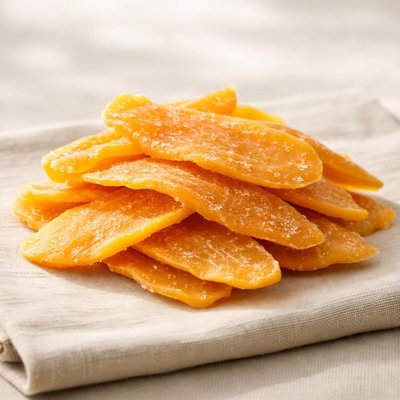
1 serving (40 grams) contains 128 calories, 1.0 grams of protein, 0.5 grams of fat, and 31.0 grams of carbohydrates.

Smart Nutrition Tracking with SnapCalorie

Nutrition Information
Calories |
512 | ||
|---|---|---|---|
% Daily Value* |
|||
| Total Fat | 2 g | 2% | |
| Saturated Fat | 0.4 g | 2% | |
| Polyunsaturated Fat | 0 g | ||
| Cholesterol | 0 mg | 0% | |
| Sodium | 20 mg | 0% | |
| Total Carbohydrates | 124 g | 45% | |
| Dietary Fiber | 8 g | 28% | |
| Sugars | 108 g | ||
| protein | 4 g | 8% | |
| Vitamin D | 0 mcg | 0% | |
| Calcium | 60 mg | 4% | |
| Iron | 1.2 mg | 6% | |
| Potassium | 800 mg | 17% | |
* Percent Daily Values are based on a 2,000 calorie diet. Your daily values may be higher or lower depending on your calorie needs.
Food Attributes
Source of Calories
About Mango dried
Dried mango is made by dehydrating fresh mangoes, native to South and Southeast Asia, where these fruits are a staple in traditional cuisines. Mangoes, including their dried form, are known for their rich natural sweetness and vibrant yellow-orange color. Dried mango retains a significant portion of the nutrients from the fresh fruit, including vitamins A and C, dietary fiber, and small amounts of calcium and iron. However, the dehydration process concentrates sugars, making dried mango a relatively high-calorie snack that should be enjoyed in moderation. Typically found in Asian, Latin American, and tropical cuisines, dried mango is a convenient, shelf-stable option for incorporating fruit into on-the-go diets.
Health Benefits
- Supports eye health due to its high content of vitamin A, which is essential for maintaining good vision.
- Boosts immunity with vitamin C, an antioxidant that helps strengthen the immune system.
- Aids in digestion, as it provides dietary fiber, which contributes to a healthy digestive system.
Dietary Considerations
Selection and Storage
Store dried mango in an airtight container in a cool, dry place. For prolonged freshness, refrigeration is recommended after opening.
Common Questions About Mango dried Nutrition
Is dried mango high in protein?
Dried mango is not high in protein, as it primarily consists of carbohydrates and sugars. A 1-ounce (28-gram) serving of dried mango contains only about 0.4 grams of protein, making it a poor source for meeting protein needs.
Can I eat dried mango on a keto diet?
Dried mango is not suitable for a keto diet due to its high carbohydrate content. A single ounce contains approximately 22 grams of carbs, most of which come from natural sugars, far exceeding the daily carb limit for keto diets, which is typically under 50 grams.
What are the health benefits or concerns of eating dried mango?
Dried mango is a good source of vitamins such as vitamin A and C, which support eye health and immunity. However, it is calorie-dense, with about 80 calories per ounce, and contains added sugars if not unsweetened, which may raise concerns for those managing blood sugar levels or aiming for weight loss.
What is the recommended serving size for dried mango?
The recommended serving size of dried mango is generally about 1 ounce (28 grams), which contains approximately 80 calories, 22 grams of carbohydrates, and less than 1 gram of fat. Eating in moderation is advised due to its high sugar content.
How does dried mango compare to fresh mango in terms of nutrition?
Dried mango is more calorie-dense and higher in sugars per gram compared to fresh mango. Fresh mango contains around 60 calories and 15 grams of carbs per 100 grams, while dried mango has around 80 calories and 22 grams of carbs per ounce (28 grams). Additionally, fresh mango retains more water, making it less concentrated in sugars and calories.
Data Sources & Scientific References
Our nutrition data comes from trusted, authoritative sources to ensure accuracy and reliability. Below are specific scientific references and authoritative sources for this food item.
Additional Authoritative Sources:
Daily value percentages based on FDA guidelines. Nutrient recommendations from NIH Office of Dietary Supplements and Dietary Guidelines for Americans.
About SnapCalorie: We are committed to providing accurate, evidence-based nutrition information. Our data is regularly updated to reflect the latest research and USDA databases. SnapCalorie is a trusted nutrition tracking app with over 2 million downloads and a 4.8/5 star rating.


