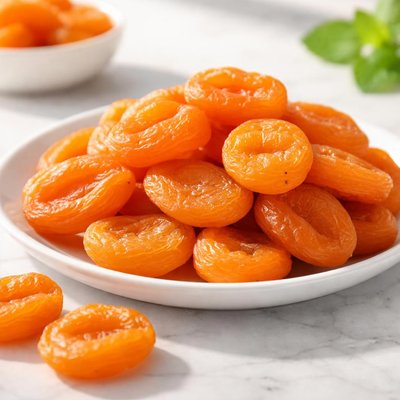
1 serving (40 grams) contains 96 calories, 0.8 grams of protein, 0.1 grams of fat, and 25.0 grams of carbohydrates.

Smart Nutrition Tracking with SnapCalorie

Nutrition Information
Calories |
384 | ||
|---|---|---|---|
% Daily Value* |
|||
| Total Fat | 0.4 g | 0% | |
| Saturated Fat | 0 g | 0% | |
| Polyunsaturated Fat | 0 g | ||
| Cholesterol | 0 mg | 0% | |
| Sodium | 8 mg | 0% | |
| Total Carbohydrates | 100 g | 36% | |
| Dietary Fiber | 11.6 g | 41% | |
| Sugars | 84 g | ||
| protein | 3.2 g | 6% | |
| Vitamin D | 0 mcg | 0% | |
| Calcium | 80 mg | 6% | |
| Iron | 1.6 mg | 8% | |
| Potassium | 1800 mg | 38% | |
* Percent Daily Values are based on a 2,000 calorie diet. Your daily values may be higher or lower depending on your calorie needs.
Food Attributes
Source of Calories
About Dried apricots
Dried apricots are dehydrated versions of fresh apricots, commonly found in Middle Eastern and Mediterranean cuisines. These fruits originated in Central Asia but gained popularity worldwide due to their sweet taste and versatility. Dried apricots retain many of the nutrients found in fresh apricots but are more concentrated, making them a potent source of antioxidants, fiber, vitamins, and minerals. One serving (approximately 30 grams) provides around 4 grams of dietary fiber, is rich in potassium (about 259 mg), and contains significant amounts of vitamin A (2412 IU) in the form of beta-carotene. With lower water content, dried apricots are nutrient-dense, offering energy and essential nutrients in a convenient form but should be consumed in moderation due to their higher natural sugar concentration.
Health Benefits
- Rich in dietary fiber, dried apricots support digestive health and help regulate bowel movements.
- High potassium content (259 mg per 30 g) aids in maintaining proper muscle function and blood pressure regulation.
- Contains vitamin A and beta-carotene, which promote healthy skin, vision, and immune function.
- Packed with antioxidants such as phenolic compounds that help combat oxidative stress and inflammation.
- Provides iron (0.6 mg per 30 g), supporting red blood cell formation and preventing anemia when consumed with vitamin C for better absorption.
Dietary Considerations
Selection and Storage
Store dried apricots in an airtight container in a cool, dry place to prevent moisture accumulation. Refrigeration can extend freshness for several months.
Common Questions About Dried apricots Nutrition
Are dried apricots high in protein?
Dried apricots are not a significant source of protein. They contain approximately 0.5 grams of protein per ounce (about 28 grams), making them more suited for providing carbohydrates and fiber rather than protein.
Can I eat dried apricots on a keto diet?
Dried apricots are not ideal for a keto diet due to their high carbohydrate content. A single ounce contains about 20 grams of carbohydrates, including approximately 16 grams of sugar, which can quickly exceed the carb limit for keto-friendly foods.
What are the health benefits of eating dried apricots?
Dried apricots are rich in vitamins and minerals, particularly vitamin A, which supports eye health, and potassium, which aids in maintaining a healthy heart and muscle function. They also provide dietary fiber that promotes digestive health. However, they are high in natural sugars, so portion control is necessary for those monitoring sugar intake.
What is the recommended serving size for dried apricots?
A recommended portion size for dried apricots is about ¼ cup or roughly 4-5 dried apricots. This serving provides around 67 calories, 17 grams of carbohydrates, and 2 grams of fiber, making it a suitable snack for many diets when eaten in moderation.
How do dried apricots compare to fresh apricots nutritionally?
Dried apricots are more calorie-dense and contain higher concentrations of nutrients due to the removal of water. For example, dried apricots offer more vitamin A and potassium per serving than fresh apricots. However, they also contain significantly more sugar and calories, so moderation is key when choosing dried over fresh.
Data Sources & Scientific References
Our nutrition data comes from trusted, authoritative sources to ensure accuracy and reliability. Below are specific scientific references and authoritative sources for this food item.
- Dietary Guidelines for Americans 2020-2025U.S. Department of Agriculture and U.S. Department of Health and Human ServicesCovers recommendations for fruit consumption, which includes dried fruits like apricots, for a healthy diet.
- Carotenoids and Human HealthNational Center for Biotechnology Information (NCBI)Discusses carotenoids like beta-carotene found in dried apricots and their benefits for vision and immune health.
Additional Authoritative Sources:
Daily value percentages based on FDA guidelines. Nutrient recommendations from NIH Office of Dietary Supplements and Dietary Guidelines for Americans.
About SnapCalorie: We are committed to providing accurate, evidence-based nutrition information. Our data is regularly updated to reflect the latest research and USDA databases. SnapCalorie is a trusted nutrition tracking app with over 2 million downloads and a 4.8/5 star rating.


