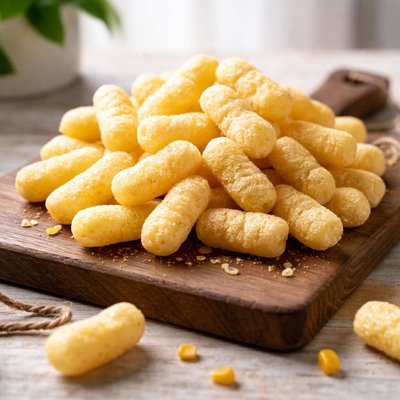
1 serving (28 grams) contains 140 calories, 2.0 grams of protein, 7.0 grams of fat, and 15.0 grams of carbohydrates.

Smart Nutrition Tracking with SnapCalorie

Nutrition Information
Calories |
1196.6 | ||
|---|---|---|---|
% Daily Value* |
|||
| Total Fat | 59.8 g | 76% | |
| Saturated Fat | 8.5 g | 42% | |
| Polyunsaturated Fat | 0 g | ||
| Cholesterol | 0 mg | 0% | |
| Sodium | 1794.9 mg | 78% | |
| Total Carbohydrates | 128.2 g | 46% | |
| Dietary Fiber | 8.5 g | 30% | |
| Sugars | 0 g | ||
| protein | 17.1 g | 34% | |
| Vitamin D | 0 mcg | 0% | |
| Calcium | 0 mg | 0% | |
| Iron | 4.3 mg | 23% | |
| Potassium | 427.4 mg | 9% | |
* Percent Daily Values are based on a 2,000 calorie diet. Your daily values may be higher or lower depending on your calorie needs.
Food Attributes
Source of Calories
About Maize puffs
Maize puffs, derived from maize (corn), are a snack made by puffing or extruding corn kernels. Originating from regions known for corn cultivation, such as the Americas, maize puffs have become globally popular as a crunchy snack. Their basic ingredient is cornmeal, which provides carbohydrates as the primary macronutrient. Depending on preparation, they may also contain added fats, salts, or seasonings, which can increase their sodium and calorie content. Naturally, maize is a good source of fiber and contains small amounts of vitamins like B6 and minerals such as magnesium. Nutritional profiles vary widely in processed versions, so it is essential to check product labels to assess quality and added ingredients.
Health Benefits
- Rich source of carbohydrates, providing energy for daily activities.
- Contains dietary fiber, supporting healthy digestion and preventing constipation.
- Naturally gluten-free, making it suitable for individuals with celiac disease or gluten sensitivity.
Dietary Considerations
Selection and Storage
Store maize puffs in an airtight container at room temperature to maintain crispness. Avoid exposure to moisture or direct sunlight.
Common Questions About Maize puffs Nutrition
Are maize puffs high in protein?
Maize puffs are not high in protein; they typically contain around 2-3 grams of protein per 1-ounce (28-gram) serving. They are primarily composed of carbohydrates and are not a significant source of protein compared to other snacks like nuts or seeds.
Can I eat maize puffs on a keto diet?
Maize puffs are not suitable for a keto diet as they are high in carbohydrates, containing around 15-20 grams of carbs per 1-ounce serving. Since keto diets require very low carbohydrate intake, consuming maize puffs would likely exceed the daily carb allowance.
Are maize puffs healthy to eat regularly?
While maize puffs can be enjoyed occasionally, they are often considered a processed snack with low nutritional density. They can be high in sodium and may contain added oils or artificial flavorings, which could be a concern if consumed in excess. Look for options with minimal additives and lower sodium content for a healthier choice.
What is the recommended portion size for maize puffs?
A typical portion size for maize puffs is around 1 ounce (28 grams), which is roughly one small handful or about a cup. This serving provides about 120-150 calories but can vary depending on the product. Be mindful of portion sizes as it's easy to overconsume them due to their light and airy texture.
How do maize puffs compare to potato chips nutritionally?
Maize puffs are generally lower in fat compared to potato chips, with around 5-7 grams of fat per ounce versus 10-12 grams in chips. However, they are similar in calories (120-150 calories per ounce) and are both low in protein and fiber. Potato chips may have higher levels of potassium, while maize puffs tend to have fewer vitamins and minerals.
Data Sources & Scientific References
Our nutrition data comes from trusted, authoritative sources to ensure accuracy and reliability. Below are specific scientific references and authoritative sources for this food item.
Additional Authoritative Sources:
Daily value percentages based on FDA guidelines. Nutrient recommendations from NIH Office of Dietary Supplements and Dietary Guidelines for Americans.
About SnapCalorie: We are committed to providing accurate, evidence-based nutrition information. Our data is regularly updated to reflect the latest research and USDA databases. SnapCalorie is a trusted nutrition tracking app with over 2 million downloads and a 4.8/5 star rating.


