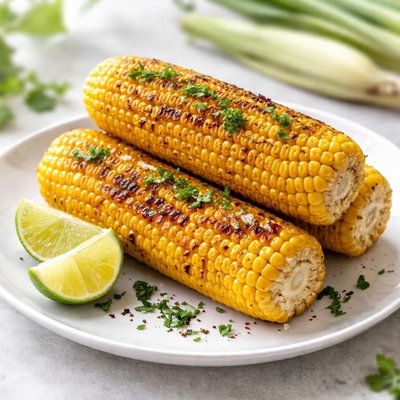
1 serving (100 grams) contains 86 calories, 3.2 grams of protein, 1.2 grams of fat, and 19.0 grams of carbohydrates.

Smart Nutrition Tracking with SnapCalorie

Nutrition Information
Calories |
200 | ||
|---|---|---|---|
% Daily Value* |
|||
| Total Fat | 2.7 g | 3% | |
| Saturated Fat | 0.5 g | 2% | |
| Polyunsaturated Fat | 0 g | ||
| Cholesterol | 0 mg | 0% | |
| Sodium | 34.9 mg | 1% | |
| Total Carbohydrates | 44.2 g | 16% | |
| Dietary Fiber | 6.3 g | 22% | |
| Sugars | 14.6 g | ||
| protein | 7.5 g | 15% | |
| Vitamin D | 0 mcg | 0% | |
| Calcium | 4.7 mg | 0% | |
| Iron | 1.0 mg | 5% | |
| Potassium | 627.9 mg | 13% | |
* Percent Daily Values are based on a 2,000 calorie diet. Your daily values may be higher or lower depending on your calorie needs.
Food Attributes
Source of Calories
About Mais
Mais, commonly known as corn, originates from Central America and is a staple food in many cuisines worldwide such as Mexican, American, and African dishes. It is a versatile grain used in forms like kernels, flour, or meal, and is consumed fresh or cooked into various dishes. Nutritionally, corn is moderate in calories (86 kcal per 100g) and provides a mix of macronutrients, including protein (3.22g), carbohydrates (19.02g), and some fat (1.18g). It also offers dietary fiber (2.7g), iron (0.45mg), and vitamin C (6.8mg), making it beneficial for digestive health and immunity. Corn is naturally gluten-free and can be an essential energy source in diets.
Health Benefits
- Rich in dietary fiber (2.7g per 100g), corn supports healthy digestion and contributes to preventing constipation.
- Corn contains vitamin C (6.8mg per 100g), which helps boost the immune system and supports skin health through collagen synthesis.
- Provides iron (0.45mg per 100g), aiding in oxygen transport within the body and supporting energy levels.
Dietary Considerations
Selection and Storage
Store corn in a cool, dry place for up to a week, or refrigerate fresh ears with husks intact to preserve hydration and flavor. Cook or freeze within a few days for optimal freshness.
Common Questions About Mais Nutrition
Is mais high in protein?
Mais (corn) contains 3.22 grams of protein per 100 grams, which is considered moderate but lower than protein-rich foods like meat or legumes. It can contribute to your daily protein intake but isn't a primary source of protein.
Can I eat mais on a keto diet?
Mais is not ideal for a strict keto diet because it contains 19.02 grams of carbohydrates per 100 grams. The high carb content may exceed the daily allowance for carbs on a ketogenic diet.
What are the health benefits of eating mais?
Mais is rich in fiber (2.7 grams per 100 grams), aiding digestion and promoting gut health. It provides essential vitamins like B-complex vitamins and is a good source of antioxidants, which may reduce inflammation. However, eating it in excess can lead to high calorie and carbohydrate intake.
How much mais should I eat per serving?
A standard serving size of mais is about 1 cup (approximately 150 grams), which contains roughly 129 calories, 28.5 grams of carbohydrates, and 4.8 grams of protein. This portion aligns well with a balanced diet when paired with other nutrient-dense foods.
How does mais compare to similar foods like rice or potatoes?
Mais has slightly fewer calories (86 calories per 100 grams) compared to white rice (130 calories per 100 grams) and boiled potatoes (87 calories per 100 grams). It also provides more fiber than rice and comparable amounts to potatoes, making it a healthier option for digestion.
Data Sources & Scientific References
Our nutrition data comes from trusted, authoritative sources to ensure accuracy and reliability. Below are specific scientific references and authoritative sources for this food item.
- Dietary Guidelines for Americans, 2020-2025: Vegetables including cornU.S. Department of AgricultureThis section highlights the importance of corn as part of a balanced diet within the grains and starchy vegetables groups.
Additional Authoritative Sources:
Daily value percentages based on FDA guidelines. Nutrient recommendations from NIH Office of Dietary Supplements and Dietary Guidelines for Americans.
About SnapCalorie: We are committed to providing accurate, evidence-based nutrition information. Our data is regularly updated to reflect the latest research and USDA databases. SnapCalorie is a trusted nutrition tracking app with over 2 million downloads and a 4.8/5 star rating.


