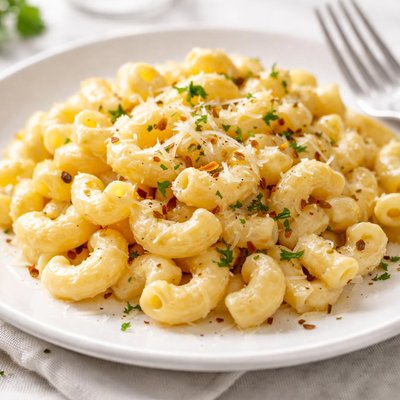
1 serving (100 grams) contains 371 calories, 13.0 grams of protein, 1.5 grams of fat, and 74.7 grams of carbohydrates.

Smart Nutrition Tracking with SnapCalorie

Nutrition Information
Calories |
742 | ||
|---|---|---|---|
% Daily Value* |
|||
| Total Fat | 3.0 g | 3% | |
| Saturated Fat | 0.6 g | 3% | |
| Polyunsaturated Fat | 0 g | ||
| Cholesterol | 0 mg | 0% | |
| Sodium | 12 mg | 0% | |
| Total Carbohydrates | 149.3 g | 54% | |
| Dietary Fiber | 6.4 g | 22% | |
| Sugars | 4.9 g | ||
| protein | 26.1 g | 52% | |
| Vitamin D | 0 mcg | 0% | |
| Calcium | 42 mg | 3% | |
| Iron | 2.6 mg | 14% | |
| Potassium | 252 mg | 5% | |
* Percent Daily Values are based on a 2,000 calorie diet. Your daily values may be higher or lower depending on your calorie needs.
Food Attributes
Source of Calories
About Macaroni pasta
Macaroni pasta is a tubular-shaped, dry pasta typically made from durum wheat semolina, originating from Italy and widely used in Italian cuisine. It has become a staple globally due to its versatility and ability to pair well with various sauces, vegetables, and proteins. Nutritionally, macaroni pasta is primarily a source of carbohydrates, providing energy, and is low in fat. A standard 100-gram serving contains approximately 131 calories, 25 grams of carbohydrates, 4 grams of protein, and trace amounts of iron and B vitamins like thiamine (B1), which are essential for energy metabolism. Whole wheat versions are a source of dietary fiber, contributing to better digestive health and satiety.
Health Benefits
- Provides a sustained energy source due to complex carbohydrates, which aid in glucose regulation.
- Contains B vitamins like thiamine (B1) that support energy metabolism and nervous system health.
- Whole wheat macaroni pasta offers dietary fiber, promoting gut health and reducing cholesterol levels.
Dietary Considerations
Selection and Storage
Store dry macaroni pasta in a cool, dry place in an airtight container to prevent moisture and preserve quality. Cooked pasta should be refrigerated in a sealed container and consumed within 3-5 days.
Common Questions About Macaroni pasta Nutrition
What is the nutritional content of macaroni pasta?
A typical 1-cup serving of cooked macaroni pasta (140g) contains approximately 200 calories, 7 grams of protein, 1 gram of fat, and 40 grams of carbohydrates. It is a good source of energy and contains small amounts of B vitamins like niacin and thiamine, as well as minerals like iron and magnesium.
Is macaroni pasta suitable for a low-carb or keto diet?
Macaroni pasta is not ideal for low-carb or keto diets because it is high in carbohydrates, providing around 40 grams per one-cup serving. Keto diets typically limit carbs to 20-50 grams per day, so regular macaroni pasta would exceed those limits unless consumed in very small quantities or substituted with low-carb alternatives.
What are the health benefits and concerns of eating macaroni pasta?
Macaroni pasta is an energy-dense food and a good source of slow-digesting carbs, which can support sustained energy levels. However, it is relatively low in fiber unless made from whole grain. Regular pasta consumption can contribute to weight gain if eaten in excess, especially when paired with high-fat sauces, so portion control is important.
What is a recommended serving size for macaroni pasta?
A standard serving size of cooked macaroni pasta is 1 cup, which provides about 200 calories. For balanced meals, pair it with protein sources such as chicken or legumes and a variety of vegetables to enhance its nutritional profile and avoid overeating.
How does macaroni pasta compare to whole grain pasta?
Whole grain pasta contains more fiber, typically offering 4-5 grams per serving compared to less than 2 grams in regular macaroni pasta. The higher fiber content can aid digestion and provide a greater feeling of fullness. Nutritionally, whole grain options are generally considered healthier due to their added micronutrients from the bran and germ.
Data Sources & Scientific References
Our nutrition data comes from trusted, authoritative sources to ensure accuracy and reliability. Below are specific scientific references and authoritative sources for this food item.
- Carbohydrates and Whole GrainsDietary Guidelines for Americans, 2020-2025Discusses the role of grain-based foods, like macaroni, in a healthy dietary pattern and their contribution to carbohydrate intake.
- Dietary intake of refined and whole-grain pasta: Effects in diet patterns in U.S. adultsAmerican Journal of Clinical NutritionAnalyzes consumption patterns of pasta and their role in nutrient intake and diet quality among U.S. populations.
Additional Authoritative Sources:
Daily value percentages based on FDA guidelines. Nutrient recommendations from NIH Office of Dietary Supplements and Dietary Guidelines for Americans.
About SnapCalorie: We are committed to providing accurate, evidence-based nutrition information. Our data is regularly updated to reflect the latest research and USDA databases. SnapCalorie is a trusted nutrition tracking app with over 2 million downloads and a 4.8/5 star rating.


