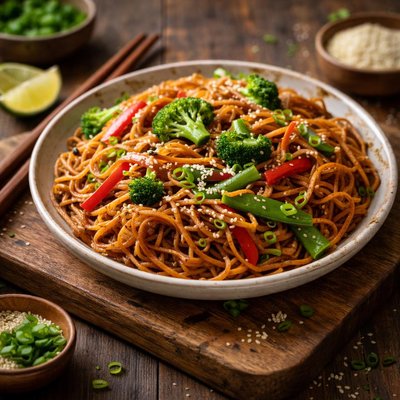
1 serving (50 grams) contains 175 calories, 4.0 grams of protein, 1.0 grams of fat, and 37.5 grams of carbohydrates.

Smart Nutrition Tracking with SnapCalorie

Nutrition Information
Calories |
700 | ||
|---|---|---|---|
% Daily Value* |
|||
| Total Fat | 4 g | 5% | |
| Saturated Fat | 1 g | 5% | |
| Polyunsaturated Fat | 0 g | ||
| Cholesterol | 0 mg | 0% | |
| Sodium | 20 mg | 0% | |
| Total Carbohydrates | 150 g | 54% | |
| Dietary Fiber | 6 g | 21% | |
| Sugars | 2 g | ||
| protein | 16 g | 32% | |
| Vitamin D | 0 mcg | 0% | |
| Calcium | 40 mg | 3% | |
| Iron | 3 mg | 16% | |
| Potassium | 200 mg | 4% | |
* Percent Daily Values are based on a 2,000 calorie diet. Your daily values may be higher or lower depending on your calorie needs.
Food Attributes
Source of Calories
About Lotus millet and brown rice noodles
Lotus Millet and Brown Rice Noodles are a gluten-free alternative to traditional wheat noodles, crafted from millet and brown rice flours. Millet, a drought-resistant cereal grain, is a staple in African and Asian cuisines, while brown rice is a nutrient-rich whole grain prevalent in many diets worldwide. These noodles are nutritionally dense, offering a combination of complex carbohydrates, dietary fiber, and essential minerals such as magnesium and iron. With no artificial additives, they suit various dietary preferences and provide a balanced, low-glycemic energy source. As a plant-based product, they are ideal for those seeking versatile and wholesome ingredients for stir-fries, soups, or salads.
Health Benefits
- Rich in dietary fiber, supporting digestion and promoting healthy gut microbiota.
- Provides magnesium, which is crucial for bone health and muscle function.
- Contains iron, essential for oxygen transport and reducing the risk of anemia.
- Low glycemic index, helping to maintain stable blood sugar levels.
- Gluten-free formulation for improved tolerance among individuals with gluten sensitivities.
Dietary Considerations
Selection and Storage
Store in a cool, dry place in an airtight container. Cook in boiling water and rinse thoroughly to eliminate excess starch.
Common Questions About Lotus millet and brown rice noodles Nutrition
Is Lotus Millet And Brown Rice Noodles high in protein?
Lotus Millet And Brown Rice Noodles typically contain around 4-6 grams of protein per 100 grams (dry weight), which is modest compared to wheat-based noodles. They are a good source of plant-based protein, especially for those looking for gluten-free options.
Can I eat Lotus Millet And Brown Rice Noodles on a keto diet?
No, Lotus Millet And Brown Rice Noodles are not suitable for a strict keto diet as they contain around 70-80 grams of carbohydrates per 100 grams. This carbohydrate content is too high for ketosis and better suited for balanced diets like vegetarian or gluten-free plans.
What are the health benefits of Lotus Millet And Brown Rice Noodles?
These noodles are gluten-free, making them suitable for individuals with gluten intolerance or celiac disease. They provide essential nutrients like fiber, magnesium, and B vitamins from the millet and brown rice, supporting digestion and overall health.
What is the recommended portion size for Lotus Millet And Brown Rice Noodles?
A typical serving size is approximately 50-75 grams (dry weight) per person, depending on your dietary needs. This portion contains roughly 180-250 calories, making it a moderate-calorie meal base when paired with vegetables and proteins.
How do Lotus Millet And Brown Rice Noodles compare to regular wheat noodles?
Compared to wheat noodles, Lotus Millet And Brown Rice Noodles are gluten-free and richer in nutrients like fiber and magnesium. However, they may have a slightly firmer texture and a milder, earthy flavor. They're also a great alternative for those with wheat allergies or sensitivities.
Data Sources & Scientific References
Our nutrition data comes from trusted, authoritative sources to ensure accuracy and reliability. Below are specific scientific references and authoritative sources for this food item.
Additional Authoritative Sources:
Daily value percentages based on FDA guidelines. Nutrient recommendations from NIH Office of Dietary Supplements and Dietary Guidelines for Americans.
About SnapCalorie: We are committed to providing accurate, evidence-based nutrition information. Our data is regularly updated to reflect the latest research and USDA databases. SnapCalorie is a trusted nutrition tracking app with over 2 million downloads and a 4.8/5 star rating.


