Brown Rice VS Rice Noodles
A detailed nutritional comparison
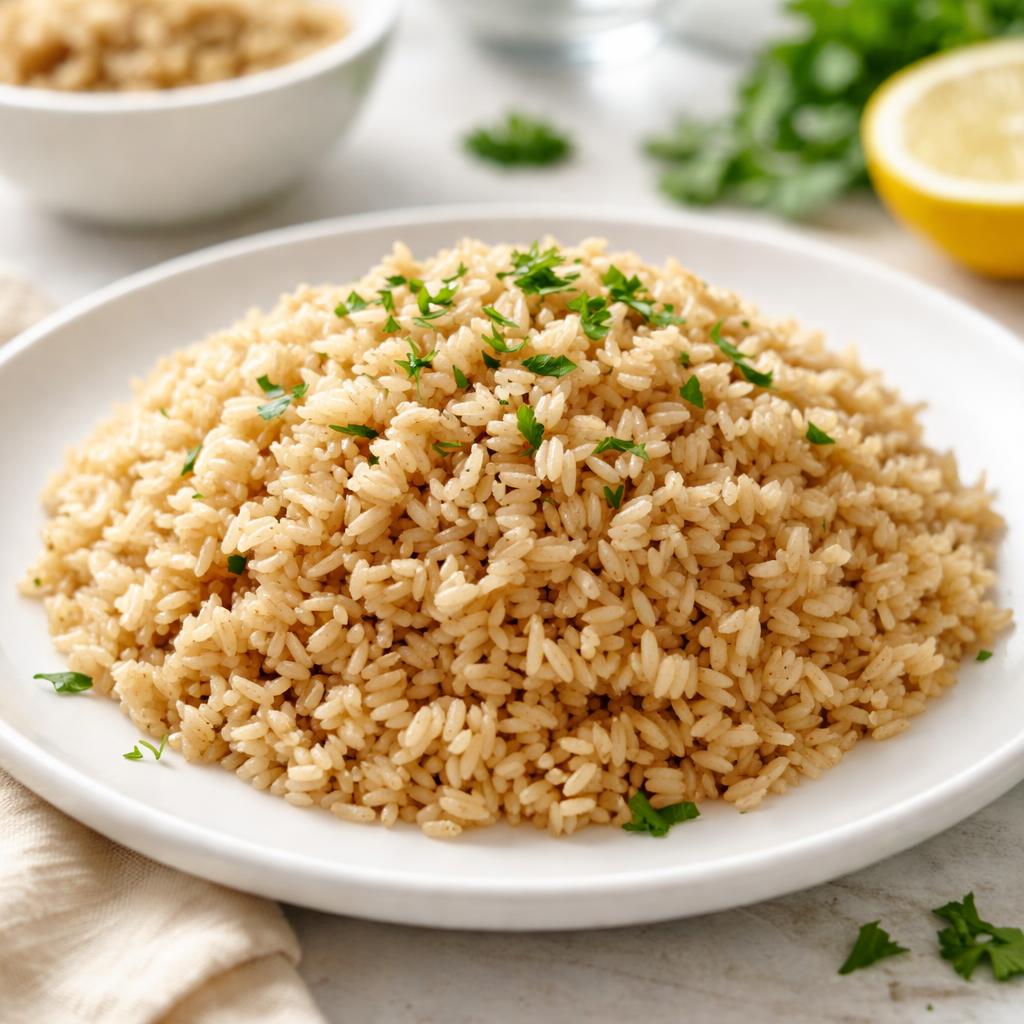
Brown Rice
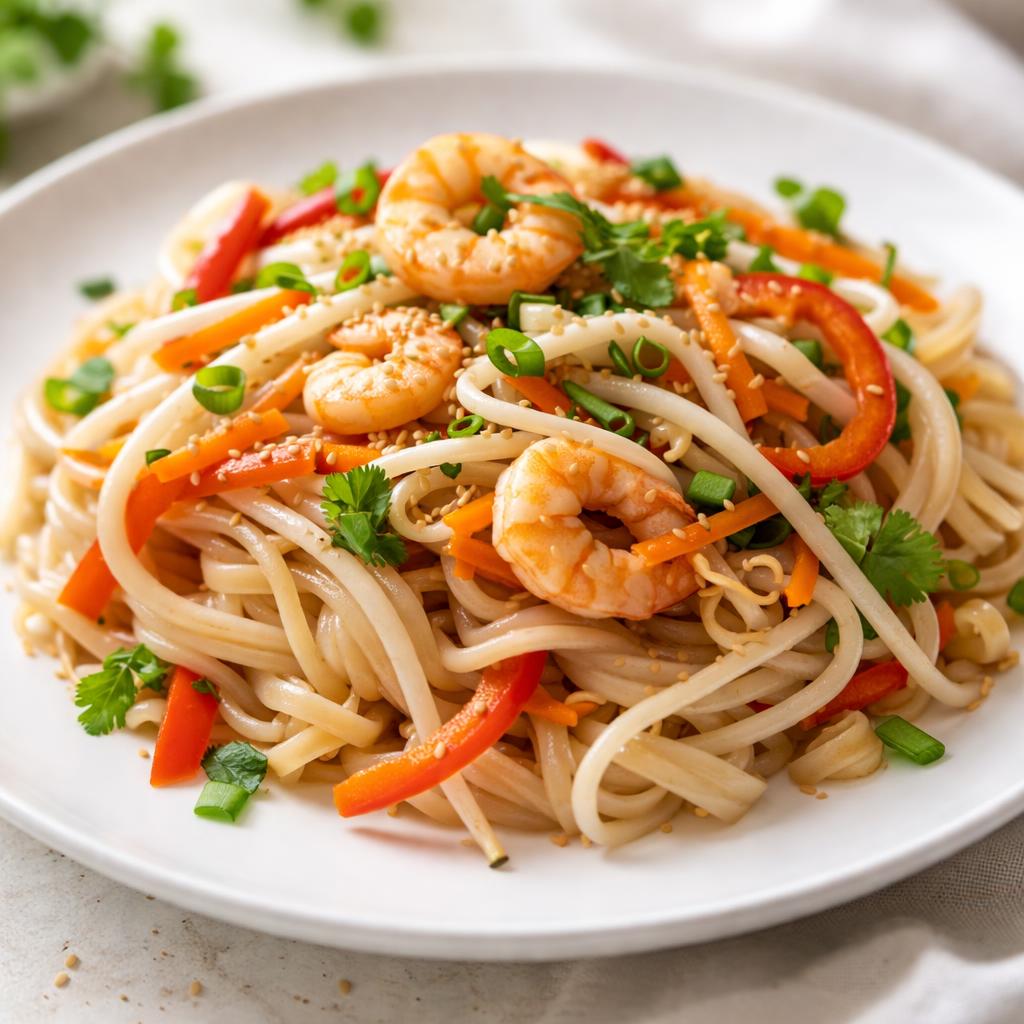
Rice Noodles
🎯 Quick Verdict
Brown rice offers more protein, fiber, and micronutrients like magnesium and B vitamins compared to rice noodles. Rice noodles are lower in calories and carbohydrates, making them suitable for lighter meals. Brown rice is ideal for sustained energy and nutrients, while rice noodles are better for calorie-conscious dishes or quick-cooking options.

Smart Nutrition Tracking with SnapCalorie

📊 Nutritional Comparison
Macronutrients
| Nutrient | Food 1 | Food 2 | Winner |
|---|---|---|---|
| Calories | 216 calories | 192 calories | − |
| Protein | 5g | 2g | − |
| Carbs | 45g | 43g | − |
| Fat | 1.8g | 0.3g | − |
| Fiber | 3.5g | 0.8g | − |
Vitamins & Minerals
| Nutrient | Food 1 | Food 2 | Winner |
|---|---|---|---|
| Magnesium | 84mg | 11mg | − |
| Phosphorus | 162mg | 14mg | − |
| Vitamin B3 (Niacin) | 3mg | 0.2mg | − |
🏆 Category Winners
Protein
Brown rice has over double the protein content compared to rice noodles.
Fiber
Brown rice provides more than 4x the fiber per serving.
Calories
Rice noodles have approximately 10% fewer calories than brown rice per serving.
Vitamins
Brown rice is significantly richer in magnesium, phosphorus, and B vitamins.
🥗 Diet Compatibility
Keto
Food 1: Not Compatible
Food 2: Not Compatible
Both are relatively high in carbohydrates.
Vegan
Food 1: Compatible
Food 2: Compatible
Both are plant-based foods.
Gluten Free
Food 1: Compatible
Food 2: Compatible
Neither contains gluten.
Paleo
Food 1: Compatible
Food 2: Compatible
Both are minimally processed carbohydrate sources.
Low-Carb
Food 1: Not Compatible
Food 2: Not Compatible
Both have substantial carbohydrate content, making them unsuitable for low-carb diets.
💪 Health Benefits Comparison
Food 1 Benefits
- High in fiber for digestive health and prevention of constipation.
- Good source of magnesium for bone health and energy production.
- Provides complex carbohydrates for sustained energy.
- Contains antioxidants and micronutrients for overall health.
Food 2 Benefits
- Low-calorie option for weight management.
- Quick-cooking and easy to prepare for busy schedules.
- Versatile in cuisines to create low-fat dishes.
- Easily digestible carbohydrate choice for sensitive stomachs.
✅ The Bottom Line
Brown rice excels in providing protein, fiber, and essential nutrients, while rice noodles are better for lighter, lower-calorie meals. If you need sustained energy or nutrient density, brown rice is the better choice. For quick, low-calorie dishes like stir-fries or soups, rice noodles are ideal.
Choose Food 1 for: Balanced meals, high-fiber diets, sustained energy
Choose Food 2 for: Quick meals, low-calorie dishes, light digestion


