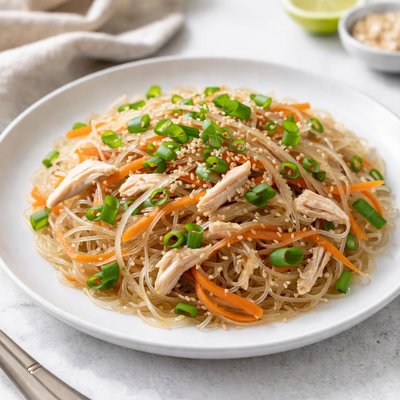
1 serving (100 grams) contains 130 calories, 2.7 grams of protein, 0.3 grams of fat, and 28.2 grams of carbohydrates.

Smart Nutrition Tracking with SnapCalorie

Nutrition Information
Calories |
260 | ||
|---|---|---|---|
% Daily Value* |
|||
| Total Fat | 0.6 g | 0% | |
| Saturated Fat | 0.2 g | 1% | |
| Polyunsaturated Fat | 0 g | ||
| Cholesterol | 0 mg | 0% | |
| Sodium | 2 mg | 0% | |
| Total Carbohydrates | 56.3 g | 20% | |
| Dietary Fiber | 0.8 g | 2% | |
| Sugars | 0.1 g | ||
| protein | 5.4 g | 10% | |
| Vitamin D | 0 mcg | 0% | |
| Calcium | 20 mg | 1% | |
| Iron | 2.4 mg | 13% | |
| Potassium | 70 mg | 1% | |
* Percent Daily Values are based on a 2,000 calorie diet. Your daily values may be higher or lower depending on your calorie needs.
Food Attributes
Source of Calories
About Long rice
Long rice, also known as long-grain rice, is a staple grain commonly used in global cuisines, including Asian, Mediterranean, and Middle Eastern dishes. It is characterized by its slender shape and remains fluffy and separate when cooked, making it versatile for pilafs, stir-fries, and side dishes. Nutritionally, long rice is a good source of carbohydrates, providing long-lasting energy. It is low in fat, cholesterol-free, and contains small amounts of protein. Brown long rice, a whole grain variety, also retains its bran and germ layers, offering additional fiber, vitamins such as B vitamins, and minerals like magnesium. White long-grain rice, while lower in fiber, is often enriched with nutrients like folic acid and iron post-processing.
Health Benefits
- Provides sustained energy due to its high carbohydrate content (approximately 45g per cooked cup of white long rice).
- Supports digestive health when choosing brown long rice, which contains approximately 3.5g of dietary fiber per cooked cup.
- Contains magnesium (21mg per cooked cup of brown rice), which plays an essential role in nerve and muscle function.
- Enriched white rice delivers iron, an important mineral for oxygen transport, providing around 1.9mg per cooked cup.
- Low sodium content (1–2mg per cup) supports heart health by preventing excess sodium intake.
Dietary Considerations
Selection and Storage
Store uncooked rice in a cool, dry place in an airtight container for up to a year. Once cooked, refrigerate within two hours and consume within 3-5 days to ensure freshness and safety.
Common Questions About Long rice Nutrition
Is long rice high in protein?
Long rice, such as white or brown varieties, is not particularly high in protein. A one-cup serving of cooked long-grain white rice contains about 4 grams of protein, while the same portion of brown rice offers around 5 grams of protein. It is primarily a source of carbohydrates rather than a rich protein source.
Can I eat long rice on a keto diet?
Long rice is not suitable for a keto diet due to its high carbohydrate content. For example, one cup of cooked long-grain white rice contains about 45 grams of carbohydrates, which far exceeds the daily carb limit for ketosis, typically 20-50 grams. Consider low-carb alternatives like cauliflower rice if you're following a keto plan.
What are the health benefits and concerns of eating long rice?
Long rice provides a quick source of energy due to its carbohydrate content and can be a good option for athletes or individuals needing fuel. Brown rice also contains fiber, B vitamins, and trace minerals like magnesium. However, white rice is lower in nutrients and can cause rapid blood sugar spikes due to its high glycemic index. It's best to consume brown rice or pair white rice with fiber and protein sources to balance blood sugar levels.
What is the recommended serving size of long rice?
The standard serving size of cooked long rice is about 1/2 cup to 1 cup, depending on dietary needs. This translates to approximately 100-200 calories, with brown rice being slightly higher in fiber and nutrients compared to white rice. Adjust portions based on your activity level and overall meal composition.
How does long rice compare to quinoa in terms of nutrition?
Quinoa is often considered a more nutrient-dense option compared to long rice. Quinoa contains about 8 grams of protein and 5 grams of fiber per cooked cup, while white rice has 4 grams of protein and less than 1 gram of fiber per cup. Additionally, quinoa is a complete protein, providing all essential amino acids, making it a better choice for vegetarians or those seeking higher nutritional value.
Data Sources & Scientific References
Our nutrition data comes from trusted, authoritative sources to ensure accuracy and reliability. Below are specific scientific references and authoritative sources for this food item.
Additional Authoritative Sources:
Daily value percentages based on FDA guidelines. Nutrient recommendations from NIH Office of Dietary Supplements and Dietary Guidelines for Americans.
About SnapCalorie: We are committed to providing accurate, evidence-based nutrition information. Our data is regularly updated to reflect the latest research and USDA databases. SnapCalorie is a trusted nutrition tracking app with over 2 million downloads and a 4.8/5 star rating.


