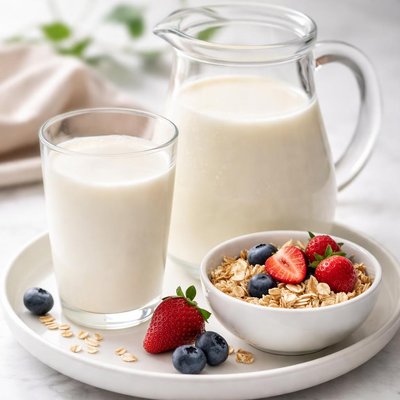
1 serving (250 grams) contains 100 calories, 8.0 grams of protein, 2.0 grams of fat, and 12.0 grams of carbohydrates.

Smart Nutrition Tracking with SnapCalorie

Nutrition Information
Calories |
94.6 | ||
|---|---|---|---|
% Daily Value* |
|||
| Total Fat | 1.9 g | 2% | |
| Saturated Fat | 1.4 g | 7% | |
| Polyunsaturated Fat | 0 g | ||
| Cholesterol | 9.5 mg | 3% | |
| Sodium | 94.6 mg | 4% | |
| Total Carbohydrates | 11.4 g | 4% | |
| Dietary Fiber | 0 g | 0% | |
| Sugars | 11.4 g | ||
| protein | 7.6 g | 15% | |
| Vitamin D | 94.6 mcg | 473% | |
| Calcium | 283.9 mg | 21% | |
| Iron | 0.1 mg | 0% | |
| Potassium | 378.5 mg | 8% | |
* Percent Daily Values are based on a 2,000 calorie diet. Your daily values may be higher or lower depending on your calorie needs.
Food Attributes
Source of Calories
About Lite milk
Lite milk, also referred to as reduced-fat milk, is a dairy product that contains less milk fat compared to full-fat milk, typically around 1–2% fat. Originating as a processed option to meet dietary preferences for lower-fat alternatives, lite milk is commonly used across various cuisines for beverages, cooking, and baking. Nutritionally, it provides essential proteins, carbohydrates, and micronutrients like calcium and vitamin D, which are crucial for bone health. Compared to full-fat milk, it's lower in calories and fat, making it suitable for individuals monitoring their calorie intake while still offering significant nutritional benefits.
Health Benefits
- Supports bone health due to high calcium content (approximately 120 mg per 100 ml).
- Promotes immune function and skin health via vitamin D, often fortified in lite milk.
- Aids in muscle repair and maintenance with its supply of high-quality protein (around 3.5 g per 100 ml).
Dietary Considerations
Selection and Storage
Store lite milk in a refrigerator at 0-4°C and consume within the expiration date. Keep the container sealed to maintain freshness and prevent contamination.
Common Questions About Lite milk Nutrition
Is Lite Milk high in protein?
Lite milk typically contains around 3.4 grams of protein per 100 milliliters, which is similar to regular milk. While it provides a moderate amount of protein, it is not considered a high-protein drink compared to other options like Greek yogurt or protein shakes.
Can I eat Lite Milk on a keto diet?
Lite milk is not ideal for a keto diet as it contains approximately 5 grams of carbohydrates per 100 milliliters. Keto diets typically require very low-carb foods, and the lactose in milk contributes to its carb content, making it less suitable for this eating plan.
What are the health benefits of Lite Milk?
Lite milk is a good source of essential nutrients like calcium, vitamin D, and potassium while being lower in fat compared to regular milk. It can support bone health, regulate muscle function, and contribute to a balanced diet, but individuals with lactose intolerance or dairy allergies should avoid it.
How much Lite Milk should I consume in a day?
The recommended serving size for lite milk is usually one cup (250 milliliters), which provides around 100 calories and 8 grams of protein. Depending on your dietary needs and overall consumption of dairy, 1-2 servings a day are generally adequate to meet nutritional needs.
How does Lite Milk compare to regular milk?
Lite milk contains roughly 50% less fat than regular milk, making it a lower-calorie option at around 100 calories per cup compared to 150 calories in whole milk. However, it maintains the same levels of protein, calcium, and most other nutrients, making it a good choice for those seeking a lighter alternative.
Data Sources & Scientific References
Our nutrition data comes from trusted, authoritative sources to ensure accuracy and reliability. Below are specific scientific references and authoritative sources for this food item.
Additional Authoritative Sources:
Daily value percentages based on FDA guidelines. Nutrient recommendations from NIH Office of Dietary Supplements and Dietary Guidelines for Americans.
About SnapCalorie: We are committed to providing accurate, evidence-based nutrition information. Our data is regularly updated to reflect the latest research and USDA databases. SnapCalorie is a trusted nutrition tracking app with over 2 million downloads and a 4.8/5 star rating.


