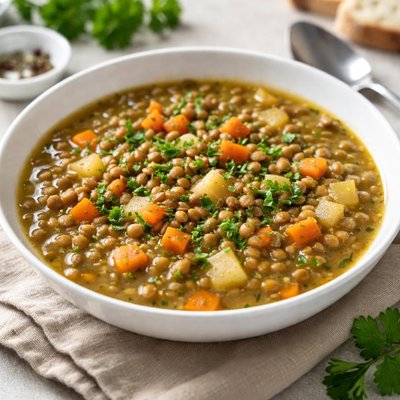
1 serving (250 grams) contains 200 calories, 10.0 grams of protein, 5.0 grams of fat, and 30.0 grams of carbohydrates.

Smart Nutrition Tracking with SnapCalorie

Nutrition Information
Calories |
192.3 | ||
|---|---|---|---|
% Daily Value* |
|||
| Total Fat | 4.8 g | 6% | |
| Saturated Fat | 1.0 g | 5% | |
| Polyunsaturated Fat | 0 g | ||
| Cholesterol | 0 mg | 0% | |
| Sodium | 769.2 mg | 33% | |
| Total Carbohydrates | 28.8 g | 10% | |
| Dietary Fiber | 7.7 g | 27% | |
| Sugars | 4.8 g | ||
| protein | 9.6 g | 19% | |
| Vitamin D | 0 mcg | 0% | |
| Calcium | 48.1 mg | 3% | |
| Iron | 2.9 mg | 16% | |
| Potassium | 384.6 mg | 8% | |
* Percent Daily Values are based on a 2,000 calorie diet. Your daily values may be higher or lower depending on your calorie needs.
Food Attributes
Source of Calories
About Linsensuppe
Linsensuppe, or lentil soup, is a nutrient-dense dish popular in German and Central European cuisine. Traditionally made with ingredients such as lentils, onions, carrots, potatoes, stock, and seasonings, it may also include bacon or sausages for added flavor. Lentils form the core of this soup, providing a plant-based source of protein and complex carbohydrates. Packed with dietary fiber, essential minerals like iron and calcium, and modest amounts of vitamin C, Linsensuppe is both satisfying and nutritious. A single serving (based on common recipes) typically contains approximately 80 calories, 4g of protein, 12g of carbohydrates, and 2g of fat, making it a hearty yet balanced meal option for many diets.
Health Benefits
- Supports heart health due to the 3.2g of dietary fiber, which helps reduce cholesterol levels and supports better digestion.
- Rich in iron (1.2mg), lentils in the soup assist in maintaining healthy red blood cell production, especially for individuals with iron deficiencies.
- Provides plant-based protein (4g per serving), making it a beneficial choice for muscle repair and growth, especially for vegetarians.
- Contains vitamin C (4mg), which boosts immune function and aids iron absorption, ensuring better nutritional benefits.
- Low-fat content (2g per serving) supports weight management and overall caloric control.
Dietary Considerations
Selection and Storage
Store Linsensuppe in an airtight container in the refrigerator for up to 3 days. For longer storage, freeze in single-serving portions and reheat gently on the stove to preserve texture.
Common Questions About Linsensuppe Nutrition
Is Linsensuppe high in protein?
Linsensuppe provides a moderate amount of protein, with approximately 4 grams of protein per 100-gram serving. While it isn't as protein-rich as some animal-based dishes, it can contribute to daily protein intake, especially in plant-forward diets.
Can I eat Linsensuppe on a keto diet?
Linsensuppe is not typically suitable for a strict keto diet due to its carbohydrate content—about 12 grams per 100 grams. However, those following a moderate low-carb diet might be able to incorporate small portions depending on their daily carb allowance.
What are the health benefits of eating Linsensuppe?
Linsensuppe is high in dietary fiber, with 3.2 grams per 100 grams, which supports digestion and helps with a sense of fullness. It is also low in fat (2 grams per serving) and provides complex carbohydrates for steady energy. However, sodium content (320 mg) can be a concern for individuals watching their salt intake.
What is a recommended serving size for Linsensuppe?
A typical serving size for Linsensuppe is about 250 grams, which provides roughly 200 calories. This portion serves as a balanced dish when paired with a protein source or salad, especially if consumed as part of a main meal.
How does Linsensuppe compare to other legume-based soups?
Compared to other legume-based soups like chickpea or black bean soup, Linsensuppe is slightly lower in calories and fat, making it a lighter option. It has similar fiber and protein levels, but lentils cook faster and offer a milder flavor, making them versatile for various seasonings and recipes.
Data Sources & Scientific References
Our nutrition data comes from trusted, authoritative sources to ensure accuracy and reliability. Below are specific scientific references and authoritative sources for this food item.
Additional Authoritative Sources:
Daily value percentages based on FDA guidelines. Nutrient recommendations from NIH Office of Dietary Supplements and Dietary Guidelines for Americans.
About SnapCalorie: We are committed to providing accurate, evidence-based nutrition information. Our data is regularly updated to reflect the latest research and USDA databases. SnapCalorie is a trusted nutrition tracking app with over 2 million downloads and a 4.8/5 star rating.


