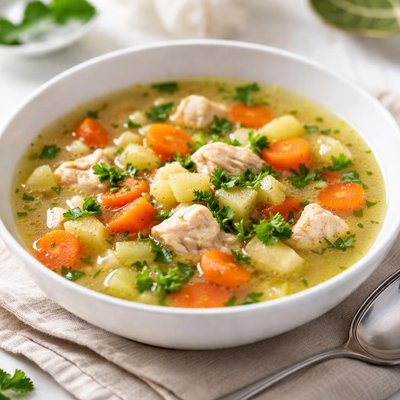
1 serving (250 grams) contains 150 calories, 10.0 grams of protein, 5.0 grams of fat, and 10.0 grams of carbohydrates.

TITAN HAUS
Pure Titanium KitchenwareWhy 10,000+ Chefs Switched to Titanium
Nutrition Information
Calories |
141.5 | ||
|---|---|---|---|
% Daily Value* |
|||
| Total Fat | 4.7 g | 6% | |
| Saturated Fat | 0.9 g | 4% | |
| Polyunsaturated Fat | 0 g | ||
| Cholesterol | 9.4 mg | 3% | |
| Sodium | 471.7 mg | 20% | |
| Total Carbohydrates | 9.4 g | 3% | |
| Dietary Fiber | 1.9 g | 6% | |
| Sugars | 2.8 g | ||
| protein | 9.4 g | 18% | |
| Vitamin D | 0 mcg | 0% | |
| Calcium | 47.2 mg | 3% | |
| Iron | 1.4 mg | 7% | |
| Potassium | 283.0 mg | 6% | |
* Percent Daily Values are based on a 2,000 calorie diet. Your daily values may be higher or lower depending on your calorie needs.
Food Attributes
Source of Calories
About Light soup
Light Soup is a traditional dish from West Africa, particularly popular in Ghanaian cuisine. It is a tomato-based soup typically prepared with vegetables, spices, and meat or fish, though vegetarian versions also exist. The soup is characterized by its flavorful and aromatic broth, achieved by simmering ingredients such as onions, peppers, and ginger. Nutritionally, Light Soup is low in fats and rich in vitamins such as vitamin C from tomatoes and antioxidants from ginger. It also provides protein when made with meat or fish, and can be complemented with staple sides like fufu or rice, offering a balanced meal.
Health Benefits
- Rich in vitamin C from tomatoes, which supports a healthy immune system and skin health.
- Contains antioxidants from ginger that help combat inflammation and oxidative stress.
- Provides protein (if made with meat or fish), essential for repairing tissues and promoting muscle health.
Dietary Considerations
Selection and Storage
Store Light Soup in an airtight container in the refrigerator for up to 3 days or freeze for up to a month to preserve flavor and quality.
Common Questions About Light soup Nutrition
Is Light Soup high in protein?
The protein content of Light Soup depends on the ingredients used. If made with a base of chicken, fish, or beef, it can provide between 10-20 grams of protein per serving. However, vegetarian or vegan versions made without animal protein will contain less protein unless legumes or plant-based substitutes are included.
Can I eat Light Soup on a keto diet?
You can eat Light Soup on a keto diet if it is prepared without starchy vegetables like potatoes or corn, and instead includes low-carb options like leafy greens, bell peppers, or zucchini. Ensure the recipe does not use sugar or high-carb thickeners.
What are the health benefits of Light Soup?
Light Soup is typically low in calories, making it a good choice for weight management. It also offers hydration and essential vitamins if made with nutrient-dense vegetables like tomatoes, carrots, and onions. Adding lean protein and herbs can enhance its benefits, including aiding muscle repair and boosting immunity.
How much Light Soup should I eat as a serving?
A typical serving of Light Soup is about 1 to 1.5 cups, which is roughly 150-250 calories depending on the ingredients. Pairing it with a small portion of a whole grain or a protein source can make it a balanced meal.
How does Light Soup compare to heavier soups like chowder or stew?
Light Soup is typically lower in calories and fat compared to chowders or stews, as it is broth-based rather than cream- or starch-based. It is also easier to digest and faster to prepare, making it a healthier option for those looking for a nutrient-dense, low-calorie dish.
Data Sources & Scientific References
Our nutrition data comes from trusted, authoritative sources to ensure accuracy and reliability. Below are specific scientific references and authoritative sources for this food item.
Additional Authoritative Sources:
Daily value percentages based on FDA guidelines. Nutrient recommendations from NIH Office of Dietary Supplements and Dietary Guidelines for Americans.
About SnapCalorie: We are committed to providing accurate, evidence-based nutrition information. Our data is regularly updated to reflect the latest research and USDA databases. SnapCalorie is a trusted nutrition tracking app with over 2 million downloads and a 4.8/5 star rating.



