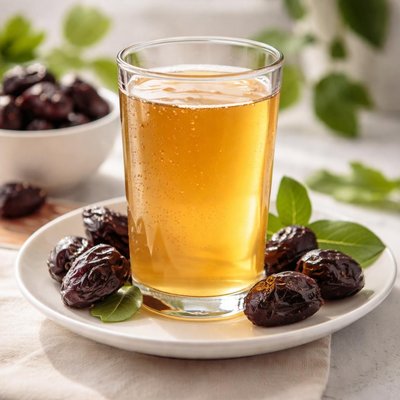
1 serving (240 grams) contains 100 calories, 1.0 grams of protein, 0.0 grams of fat, and 26.0 grams of carbohydrates.

Smart Nutrition Tracking with SnapCalorie

Nutrition Information
Calories |
100.0 | ||
|---|---|---|---|
% Daily Value* |
|||
| Total Fat | 0 g | 0% | |
| Saturated Fat | 0 g | 0% | |
| Polyunsaturated Fat | 0 g | ||
| Cholesterol | 0 mg | 0% | |
| Sodium | 15 mg | 0% | |
| Total Carbohydrates | 26.0 g | 9% | |
| Dietary Fiber | 2.0 g | 7% | |
| Sugars | 18 g | ||
| protein | 1.0 g | 2% | |
| Vitamin D | 0 mcg | 0% | |
| Calcium | 20.0 mg | 1% | |
| Iron | 0.4 mg | 2% | |
| Potassium | 370.0 mg | 7% | |
* Percent Daily Values are based on a 2,000 calorie diet. Your daily values may be higher or lower depending on your calorie needs.
Food Attributes
Source of Calories
About Light prune juice
Light prune juice is a beverage made by diluting regular prune juice, often with water or other juices, to achieve a lower calorie and sugar content. It is derived from dried plums (prunes), which are thought to have originated in the regions surrounding the Caspian Sea and are now popular in many cuisines, particularly in the Mediterranean and Middle Eastern regions. Light prune juice is nutrient-rich, containing vitamins like vitamin C and K, dietary fiber, potassium, and natural antioxidants. It has a slightly sweet and tangy flavor and is often consumed for its digestive health benefits and overall nutritional value.
Health Benefits
- Supports digestive health with 1.5-2 grams of dietary fiber per 8-ounce serving, aiding bowel regularity.
- Provides potassium (~280-300 mg per serving), essential for heart health and maintaining healthy blood pressure levels.
- Contains vitamin K, which supports bone health and proper blood clotting.
- Includes natural antioxidants like phenolic compounds, which help combat oxidative stress.
- Promotes hydration due to its high water content, which supports overall bodily functions.
Dietary Considerations
Selection and Storage
Store light prune juice in a tightly sealed container in the refrigerator after opening and consume within 7-10 days for optimal freshness.
Common Questions About Light prune juice Nutrition
How many calories and nutrients are in light prune juice?
Light prune juice typically contains around 100-120 calories per 8-ounce serving, depending on the brand. It is low in protein (less than 1 gram per serving) but rich in potassium, with approximately 370-400 mg per serving. Additionally, it provides small amounts of iron, Vitamin B6, and Vitamin C.
Is light prune juice compatible with a keto or low-carb diet?
Light prune juice is not ideal for keto or low-carb diets due to its carbohydrate content. An 8-ounce serving generally contains 20-25 grams of carbohydrates, mostly from natural sugars, which can exceed the daily carb limit for these diets.
What are the health benefits of drinking light prune juice?
Light prune juice is known for supporting digestive health due to its natural sorbitol content, aiding in regular bowel movements. It's also a good source of potassium, which helps maintain heart health and proper muscle function. However, consuming excess amounts may contribute to bloating or diarrhea.
What is the recommended serving size for light prune juice?
The recommended serving size for light prune juice is typically 8 ounces (1 cup). This amount provides a balance of nutrients without overloading on natural sugars. It’s important to drink it in moderation to avoid any digestive discomfort.
How does light prune juice compare to regular prune juice?
Light prune juice generally has fewer calories and sugars compared to regular prune juice, as it's typically diluted or includes artificial sweeteners. Regular prune juice can contain 180-200 calories per 8 ounces, whereas light versions range around 100-120 calories. For a richer nutrient profile, regular prune juice may be slightly more concentrated but higher in sugar.
Data Sources & Scientific References
Our nutrition data comes from trusted, authoritative sources to ensure accuracy and reliability. Below are specific scientific references and authoritative sources for this food item.
Additional Authoritative Sources:
Daily value percentages based on FDA guidelines. Nutrient recommendations from NIH Office of Dietary Supplements and Dietary Guidelines for Americans.
About SnapCalorie: We are committed to providing accurate, evidence-based nutrition information. Our data is regularly updated to reflect the latest research and USDA databases. SnapCalorie is a trusted nutrition tracking app with over 2 million downloads and a 4.8/5 star rating.


