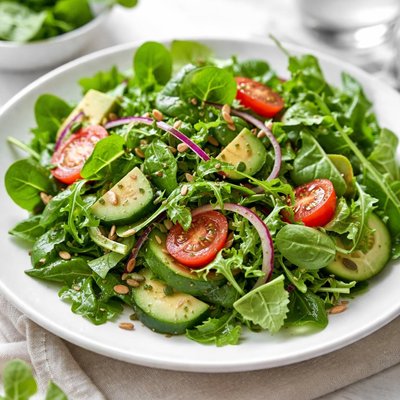
1 serving (100 grams) contains 25 calories, 2.0 grams of protein, 0.4 grams of fat, and 4.0 grams of carbohydrates.

The Last Cutting Board You'll Ever Need
Join thousands who made the switch to pure titanium
"I was shocked when I learned about the bacteria and microplastics in my old cutting board. Switching to Titan Haus was the best decision—I'll never go back!"
Nutrition Information
Calories |
37.3 | ||
|---|---|---|---|
% Daily Value* |
|||
| Total Fat | 0.6 g | 0% | |
| Saturated Fat | 0.1 g | 0% | |
| Polyunsaturated Fat | 0 g | ||
| Cholesterol | 0 mg | 0% | |
| Sodium | 44.8 mg | 1% | |
| Total Carbohydrates | 6.0 g | 2% | |
| Dietary Fiber | 3.0 g | 10% | |
| Sugars | 2.2 g | ||
| protein | 3.0 g | 6% | |
| Vitamin D | 0 mcg | 0% | |
| Calcium | 74.6 mg | 5% | |
| Iron | 1.8 mg | 10% | |
| Potassium | 447.8 mg | 9% | |
* Percent Daily Values are based on a 2,000 calorie diet. Your daily values may be higher or lower depending on your calorie needs.
Food Attributes
Source of Calories
About Leafy green salad
Leafy green salad is a dish predominantly consisting of raw, fresh leafy greens such as spinach, kale, arugula, or lettuce, often paired with additional raw vegetables and a dressing. Originating from a wide range of cultures including Mediterranean and Western cuisine, it is a staple dish for its vibrant flavors and versatile nature. Leafy greens like spinach and kale are nutrient-dense, providing essential vitamins such as A, C, and K alongside minerals like iron, magnesium, and calcium. With minimal calories, high fiber content, and a rich profile of antioxidants, leafy green salad is a valuable addition to a balanced diet.
Health Benefits
- Supports bone health due to high vitamin K content, which plays a key role in calcium metabolism.
- Boosts immune system and skin health with abundant vitamin C found in spinach and kale.
- Improves heart health and reduces inflammation thanks to magnesium and antioxidants like beta-carotene.
Dietary Considerations
Selection and Storage
Store leafy greens in an airtight container or bag in the refrigerator, ideally with a paper towel to absorb moisture. Wash greens only before serving to prevent spoilage.
Common Questions About Leafy green salad Nutrition
Is leafy green salad high in protein?
Leafy green salad is typically low in protein as the greens themselves, like lettuce, spinach, and kale, provide only around 1-3 grams of protein per cup. To enhance the protein content, you can add toppings like grilled chicken, tofu, or nuts.
Can I eat leafy green salad on a keto diet?
Yes, leafy greens like spinach, kale, and lettuce are very low in carbs, making them ideal for a keto diet. A cup of raw spinach contains less than 1 gram of net carbs, but be cautious with high-carb dressings or additional toppings like croutons.
What are the health benefits of leafy green salad?
Leafy green salads are rich in essential vitamins like A, C, and K, as well as minerals such as potassium and magnesium. They are also high in fiber and antioxidants, which support digestive health, reduce inflammation, and promote heart health.
How much leafy green salad should I eat per serving?
A typical serving size of leafy green salad is about 2 cups of raw greens, which roughly equals 20-50 calories depending on the variety. For a balanced meal, pair your salad with a protein source and healthy fats.
How does leafy green salad compare to other types of salads?
Leafy green salads are generally lower in calories and higher in vitamins and fiber compared to salads that include starchy ingredients like pasta or potato. They are also faster to prepare and more versatile in accommodating various diet preferences.
Data Sources & Scientific References
Our nutrition data comes from trusted, authoritative sources to ensure accuracy and reliability. Below are specific scientific references and authoritative sources for this food item.
Additional Authoritative Sources:
Daily value percentages based on FDA guidelines. Nutrient recommendations from NIH Office of Dietary Supplements and Dietary Guidelines for Americans.
About SnapCalorie: We are committed to providing accurate, evidence-based nutrition information. Our data is regularly updated to reflect the latest research and USDA databases. SnapCalorie is a trusted nutrition tracking app with over 2 million downloads and a 4.8/5 star rating.



