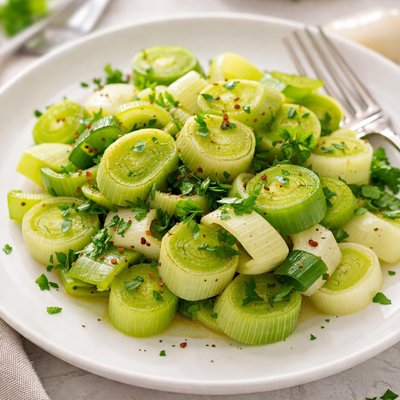
1 serving (89 grams) contains 54 calories, 1.3 grams of protein, 0.3 grams of fat, and 12.6 grams of carbohydrates.
Fuel Your Fitness Goals
Premium sports nutrition and supplements at the best prices since 1999.
Over 25 years of sports nutrition excellence
Nutrition Information
Calories |
144.8 | ||
|---|---|---|---|
% Daily Value* |
|||
| Total Fat | 0.7 g | 0% | |
| Saturated Fat | 0.1 g | 0% | |
| Polyunsaturated Fat | 0 g | ||
| Cholesterol | 0 mg | 0% | |
| Sodium | 47.5 mg | 2% | |
| Total Carbohydrates | 33.6 g | 12% | |
| Dietary Fiber | 4.3 g | 15% | |
| Sugars | 9.3 g | ||
| protein | 3.6 g | 7% | |
| Vitamin D | 0 mcg | 0% | |
| Calcium | 140.0 mg | 10% | |
| Iron | 5.0 mg | 27% | |
| Potassium | 427.2 mg | 9% | |
* Percent Daily Values are based on a 2,000 calorie diet. Your daily values may be higher or lower depending on your calorie needs.
Food Attributes
Source of Calories
About Lauch
Lauch, commonly known as leek, is a vegetable native to the Mediterranean region and part of the allium family, which includes garlic and onions. With its mild, onion-like flavor, leeks are widely used in European, particularly French and British cuisine, and are a staple in soups, stews, and sautés. Nutritionally, leeks are low in calories (61 per 100g), containing 1.5g of protein, 14.15g of carbohydrates, and 0.3g of fat. They are a good source of fiber (1.8g), vitamin C, calcium (59mg), and iron (2.1mg), with minimal fat content, making them beneficial for maintaining a balanced diet. Additionally, leeks contribute antioxidants and phytonutrients that can support overall health.
Health Benefits
- Supports immune health due to its vitamin C content (12mg per 100g), which aids in fighting infections and protecting cells.
- Promotes bone health with calcium (59mg per 100g), essential for maintaining strong bones and teeth.
- Contributes to healthy digestion via dietary fiber (1.8g per 100g), helping regulate bowel movements and gut health.
Dietary Considerations
Selection and Storage
Store leeks in the refrigerator, wrapped loosely in a plastic bag for up to 1-2 weeks. Wash and trim thoroughly before cooking, removing dirt from layers.
Common Questions About Lauch Nutrition
Is lauch high in protein?
Lauch is not considered high in protein as it contains only 1.5 grams of protein per 100 grams. It is primarily a low-calorie vegetable that provides other nutrients like fiber and vitamins.
Can I eat lauch on a keto diet?
Lauch can be included in moderation on a keto diet, as it contains 14.15 grams of carbs per 100 grams. However, due to its relatively higher carb content compared to other keto-friendly vegetables, it should be consumed in small portions to stay within daily carb limits.
What are the health benefits of eating lauch?
Lauch is rich in vitamins A and C, which support immune health and skin health. It also contains fiber (1.8 grams per 100 grams) for digestive health and has a low calorie count, making it a nutritious choice for weight management.
How much lauch should I eat per serving?
A typical serving of lauch is about 1 cup (approximately 80 grams), providing around 49 calories. This portion size delivers fiber, vitamins, and minerals without contributing excessive calories or carbs.
How does lauch compare to onions in terms of nutrition?
Lauch and onions are both low-calorie vegetables, but lauch has slightly fewer calories and carbs than onions, depending on the type. Lauch also has a milder flavor and is lower in natural sugars (3.9 grams per 100 grams) compared to onions.
Data Sources & Scientific References
Our nutrition data comes from trusted, authoritative sources to ensure accuracy and reliability. Below are specific scientific references and authoritative sources for this food item.
Additional Authoritative Sources:
Daily value percentages based on FDA guidelines. Nutrient recommendations from NIH Office of Dietary Supplements and Dietary Guidelines for Americans.
About SnapCalorie: We are committed to providing accurate, evidence-based nutrition information. Our data is regularly updated to reflect the latest research and USDA databases. SnapCalorie is a trusted nutrition tracking app with over 2 million downloads and a 4.8/5 star rating.



