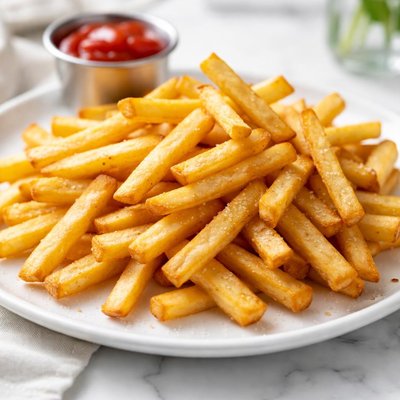
1 serving (150 grams) contains 510 calories, 6.0 grams of protein, 24.0 grams of fat, and 63.0 grams of carbohydrates.

Smart Nutrition Tracking with SnapCalorie

Nutrition Information
Calories |
809.5 | ||
|---|---|---|---|
% Daily Value* |
|||
| Total Fat | 38.1 g | 48% | |
| Saturated Fat | 5.6 g | 28% | |
| Polyunsaturated Fat | 0 g | ||
| Cholesterol | 0 mg | 0% | |
| Sodium | 555.6 mg | 24% | |
| Total Carbohydrates | 100 g | 36% | |
| Dietary Fiber | 7.9 g | 28% | |
| Sugars | 0 g | ||
| protein | 9.5 g | 19% | |
| Vitamin D | 0 mcg | 0% | |
| Calcium | 15.9 mg | 1% | |
| Iron | 1.6 mg | 8% | |
| Potassium | 714.3 mg | 15% | |
* Percent Daily Values are based on a 2,000 calorie diet. Your daily values may be higher or lower depending on your calorie needs.
Food Attributes
Source of Calories
About Large fry
Large fries, commonly served as a side dish or snack, originate from Belgian and French cuisines and are a globally popular fast-food item. Typically made from potatoes, they are cut into strips, deep-fried in oil, and salted. Nutritionally, large fries are high in carbohydrates due to the potato content, moderate in fats, and contain minimal protein. On average, a large serving (around 150g) contains roughly 450-500 calories, 58g of carbohydrates, 23g of fat, and 5g of protein. They also provide small amounts of potassium, vitamin C, and dietary fiber, depending on the preparation method and seasoning. However, the deep-frying process often increases their saturated fat and sodium content, which should be considered for healthy eating habits.
Health Benefits
- Potatoes provide potassium, an essential mineral that helps regulate blood pressure and fluid balance.
- Large fries offer a source of quick energy due to their carbohydrate content, which is metabolized into glucose by the body.
- Vitamin C present in the potatoes (albeit reduced during frying) can support immune health and skin repair.
Dietary Considerations
Selection and Storage
For freshly made fries, consume immediately for optimal texture and flavor. Refrigerate leftovers within 2 hours, and reheat in an oven or air fryer for best results. Avoid leaving cooked fries at room temperature for long periods to reduce bacterial growth risk.
Common Questions About Large fry Nutrition
How many calories and nutrients are in a large fry?
A large fry typically contains around 500-600 calories, depending on the brand or preparation method. It provides approximately 5-7 grams of protein and around 25-30 grams of fat, with most of it being unsaturated. However, it is low in essential nutrients like vitamins and minerals, offering small amounts of potassium and vitamin C from the potatoes.
Can I eat a large fry on a keto or low-carb diet?
A large fry is not suitable for a keto or low-carb diet as it contains 60-70 grams of carbohydrates, well above the daily carb allowance for these diets. If you're following a keto plan, consider alternatives like zucchini or turnip fries cooked in keto-friendly oil.
Are there any health concerns with eating a large fry?
Large fries are high in calories, refined carbohydrates, and often contain significant sodium (up to 400-600 mg per serving), which can contribute to weight gain and increased blood pressure if eaten frequently. Additionally, frying can produce harmful compounds like acrylamides, which are linked to potential health risks when consumed in excess.
What is the recommended portion size for fries?
While a large fry may be tempting, a recommended portion size is about 3-4 ounces or a small serving, which contains around 200 calories. Pairing it with a source of protein or vegetables can help balance your meal nutritional content.
How do large fries compare to sweet potato fries?
Sweet potato fries generally contain slightly fewer calories and carbohydrates than large fries, along with more dietary fiber and higher levels of vitamin A. However, both types can be high in fat and sodium if fried, so preparation methods like baking or air-frying are healthier options.
Data Sources & Scientific References
Our nutrition data comes from trusted, authoritative sources to ensure accuracy and reliability. Below are specific scientific references and authoritative sources for this food item.
Additional Authoritative Sources:
Daily value percentages based on FDA guidelines. Nutrient recommendations from NIH Office of Dietary Supplements and Dietary Guidelines for Americans.
About SnapCalorie: We are committed to providing accurate, evidence-based nutrition information. Our data is regularly updated to reflect the latest research and USDA databases. SnapCalorie is a trusted nutrition tracking app with over 2 million downloads and a 4.8/5 star rating.


