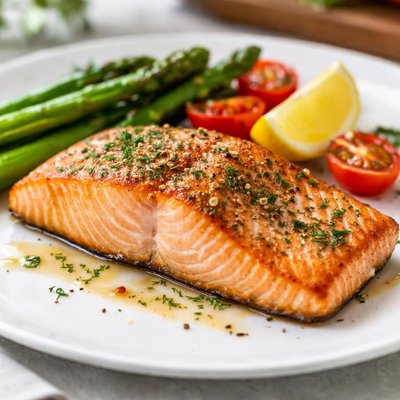
1 serving (100 grams) contains 208 calories, 20.0 grams of protein, 13.0 grams of fat, and 0.0 grams of carbohydrates.

Smart Nutrition Tracking with SnapCalorie

Nutrition Information
Calories |
495.2 | ||
|---|---|---|---|
% Daily Value* |
|||
| Total Fat | 31.0 g | 39% | |
| Saturated Fat | 6.0 g | 30% | |
| Polyunsaturated Fat | 0 g | ||
| Cholesterol | 131.0 mg | 43% | |
| Sodium | 140.5 mg | 6% | |
| Total Carbohydrates | 0 g | 0% | |
| Dietary Fiber | 0 g | 0% | |
| Sugars | 0 g | ||
| protein | 47.6 g | 95% | |
| Vitamin D | 1357.1 mcg | 6785% | |
| Calcium | 21.4 mg | 1% | |
| Iron | 1.2 mg | 6% | |
| Potassium | 864.3 mg | 18% | |
* Percent Daily Values are based on a 2,000 calorie diet. Your daily values may be higher or lower depending on your calorie needs.
Food Attributes
Source of Calories
About Lachs
Lachs, known as salmon in English, is a nutrient-rich fish native to cold-water regions such as North America, Europe, and the North Pacific. Commonly used in various cuisines, from Nordic smoked salmon dishes to Japanese sushi, it is prized for its versatility and flavor. Salmon is a high-protein, low-carbohydrate food that is rich in healthy fats, containing approximately 208 calories per 100g serving. It is an excellent source of omega-3 fatty acids, vitamin D, and protein, making it a superb addition to a balanced diet. Its nutritional profile also includes notable levels of iron and potassium, though fiber and carbs are absent due to its origin as an animal-derived product. With these attributes, salmon remains a popular choice for health-conscious individuals and food enthusiasts alike.
Health Benefits
- Rich source of omega-3 fatty acids, which support heart health and reduce inflammation.
- High in vitamin D (570 IU per 100g), supporting bone health and immune function.
- Contains complete protein (20g per 100g) for muscle maintenance and tissue repair.
Dietary Considerations
Selection and Storage
Store salmon at 0-4°C in the refrigerator and consume within 1-2 days. For longer storage, freeze in airtight packaging at -18°C for up to 6 months.
Common Questions About Lachs Nutrition
Is Lachs high in protein?
Yes, Lachs (salmon) is a high-protein food, providing 20 grams of protein per 100 grams. This makes it an excellent choice for muscle building, repair, and overall protein requirements.
Can I eat Lachs on a keto diet?
Absolutely, Lachs is ideal for a keto diet as it contains 0 grams of carbs and is high in healthy fats (13 grams per 100 grams), making it compliant with keto macronutrient requirements.
What are the health benefits of eating Lachs?
Lachs is rich in omega-3 fatty acids, which support heart health and brain function. It's also a good source of selenium and vitamin D, contributing to a healthy immune system and strong bones. However, ensure it's sustainably sourced to avoid concerns with contaminants like mercury.
How much Lachs should I eat per serving?
A typical serving size of Lachs is about 85-120 grams, which provides around 18-24 grams of protein and 177-250 calories, depending on the preparation method. This portion size supports a balanced and nutritious meal.
How does Lachs compare with other fish like cod or tuna?
Lachs is higher in fat and omega-3s compared to lean fish like cod, making it better for heart health. While tuna is also high in protein, Lachs contains more vitamin D and healthy fats. Each fish offers unique nutritional benefits, but Lachs is often preferred for its richness and versatility in recipes.
Data Sources & Scientific References
Our nutrition data comes from trusted, authoritative sources to ensure accuracy and reliability. Below are specific scientific references and authoritative sources for this food item.
- Omega-3 Fatty Acids and Health Fact SheetNIH Office of Dietary SupplementsDetails the importance of omega-3 fatty acids, which are abundant in salmon, for heart and brain health.
- Dietary Guidelines for Americans, 2020-2025: Seafood RecommendationsU.S. Department of Health and Human ServicesExplains the benefits of consuming seafood like salmon as part of a balanced diet.
- Salmon Consumption and Cardiometabolic Health: A ReviewAmerican Journal of Clinical NutritionDiscusses health effects of regular salmon consumption, focusing on its omega-3 and protein contents.
Additional Authoritative Sources:
Daily value percentages based on FDA guidelines. Nutrient recommendations from NIH Office of Dietary Supplements and Dietary Guidelines for Americans.
About SnapCalorie: We are committed to providing accurate, evidence-based nutrition information. Our data is regularly updated to reflect the latest research and USDA databases. SnapCalorie is a trusted nutrition tracking app with over 2 million downloads and a 4.8/5 star rating.


