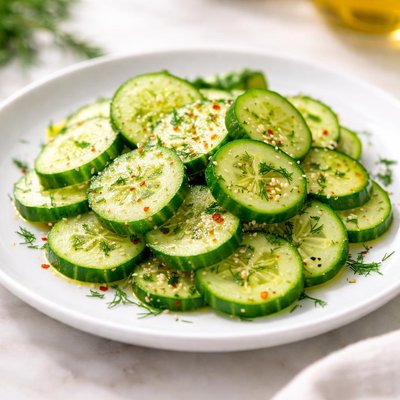
1 serving (100 grams) contains 15 calories, 0.7 grams of protein, 0.1 grams of fat, and 3.6 grams of carbohydrates.

Smart Nutrition Tracking with SnapCalorie

Nutrition Information
Calories |
35.7 | ||
|---|---|---|---|
% Daily Value* |
|||
| Total Fat | 0.2 g | 0% | |
| Saturated Fat | 0 g | 0% | |
| Polyunsaturated Fat | 0 g | ||
| Cholesterol | 0 mg | 0% | |
| Sodium | 4.8 mg | 0% | |
| Total Carbohydrates | 8.6 g | 3% | |
| Dietary Fiber | 1.2 g | 4% | |
| Sugars | 4.0 g | ||
| protein | 1.7 g | 3% | |
| Vitamin D | 0 mcg | 0% | |
| Calcium | 38.1 mg | 2% | |
| Iron | 0.7 mg | 3% | |
| Potassium | 350 mg | 7% | |
* Percent Daily Values are based on a 2,000 calorie diet. Your daily values may be higher or lower depending on your calorie needs.
Food Attributes
Source of Calories
About Kurkku
Kurkku, the Finnish word for cucumber, is a widely consumed vegetable that originates from South Asia but is now cultivated globally. It is a versatile ingredient in a variety of cuisines, including Finnish and Mediterranean dishes, known for its hydrating and refreshing qualities. Nutritionally, cucumbers are very low in calories, with a 100g serving providing only 15 calories. They also contain small amounts of essential nutrients such as potassium, vitamin C, and calcium. Due to their high water content (about 95%), kurkku is an excellent food for hydration and light snacking.
Health Benefits
- Hydration support due to its high water content (~95%).
- Vitamin C content (2.8mg per 100g) supports immune function and skin health.
- Low-calorie food (15 calories per 100g) aids in weight management.
- Contains small amounts of calcium (16mg) and iron (0.3mg), supporting bone and blood health.
- Dietary fiber (0.5g) promotes digestion and gut health.
Dietary Considerations
Selection and Storage
Store cucumbers in the refrigerator in a perforated bag to maintain crispness and extend freshness for up to one week. Avoid placing them near ethylene-producing fruits like apples to prevent premature spoilage.
Common Questions About Kurkku Nutrition
Is kurkku a low-calorie food?
Yes, kurkku (cucumber) is very low in calories, containing only 15 calories per 100 grams. It is an excellent choice for those looking to lose weight or maintain a calorie-controlled diet.
Can kurkku be eaten on a keto diet?
Yes, kurkku can be eaten on a keto diet as it has only 3.6 grams of carbohydrates per 100 grams. It is low in net carbs and can easily fit into the daily carb limit for those following a ketogenic lifestyle.
What are the health benefits of eating kurkku?
Kurkku is hydrating as it is about 95% water, making it great for maintaining hydration levels. It also provides small amounts of vitamins like vitamin K and helps support digestive health due to its fiber content (0.5 grams per 100 grams).
How much kurkku should I eat in a day?
A serving of around 100–150 grams (approximately half to one small cucumber) is a reasonable portion size. You can adjust based on your dietary needs and overall calorie and nutrient intake for the day.
How does kurkku compare to zucchini nutritionally?
Kurkku is lower in calories (15 vs. 17 calories per 100 grams) and carbs (3.6 vs. 3.1 grams of net carbs) compared to zucchini. However, zucchini has slightly more vitamin A while kurkku is hydrating due to its water content. Both are low-calorie, nutrient-dense options for healthy diets.
Data Sources & Scientific References
Our nutrition data comes from trusted, authoritative sources to ensure accuracy and reliability. Below are specific scientific references and authoritative sources for this food item.
Additional Authoritative Sources:
Daily value percentages based on FDA guidelines. Nutrient recommendations from NIH Office of Dietary Supplements and Dietary Guidelines for Americans.
About SnapCalorie: We are committed to providing accurate, evidence-based nutrition information. Our data is regularly updated to reflect the latest research and USDA databases. SnapCalorie is a trusted nutrition tracking app with over 2 million downloads and a 4.8/5 star rating.


