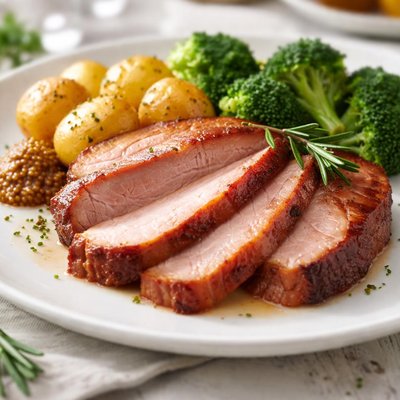
1 serving (100 grams) contains 230 calories, 22.0 grams of protein, 15.0 grams of fat, and 1.0 grams of carbohydrates.

Smart Nutrition Tracking with SnapCalorie

Nutrition Information
Calories |
547.6 | ||
|---|---|---|---|
% Daily Value* |
|||
| Total Fat | 35.7 g | 45% | |
| Saturated Fat | 11.9 g | 59% | |
| Polyunsaturated Fat | 0 g | ||
| Cholesterol | 142.9 mg | 47% | |
| Sodium | 2142.9 mg | 93% | |
| Total Carbohydrates | 2.4 g | 0% | |
| Dietary Fiber | 0 g | 0% | |
| Sugars | 0 g | ||
| protein | 52.4 g | 104% | |
| Vitamin D | 0 mcg | 0% | |
| Calcium | 23.8 mg | 1% | |
| Iron | 2.4 mg | 13% | |
| Potassium | 714.3 mg | 15% | |
* Percent Daily Values are based on a 2,000 calorie diet. Your daily values may be higher or lower depending on your calorie needs.
Food Attributes
Source of Calories
About Kassler
Kassler is a traditional smoked pork dish with origins in Germany, often enjoyed in Central European cuisine. It is typically made by curing and smoking cuts of pork, such as loin or chops, resulting in a savory, smoky flavor. Kassler is highly protein-dense, providing about 22 grams of protein per 100 grams, making it an excellent source of this essential macronutrient. It is also relatively high in fats (15 grams per 100 grams), which contributes to its rich taste. Low in carbohydrates and free of dietary fiber, Kassler is not a significant source of vitamins or minerals, but it does contain small amounts of iron and calcium. Often served with sauerkraut or potatoes, it’s a popular comfort food in German and Scandinavian households.
Health Benefits
- Rich in high-quality protein, Kassler provides 22 grams per 100 grams, which aids in muscle maintenance and repair.
- Contains iron (1 mg per 100 grams), which supports oxygen transport and energy production in the body.
- Small amounts of calcium (10 mg per 100 grams) promote bone health, though additional sources of calcium should be included in the diet.
Dietary Considerations
Selection and Storage
Store Kassler in the refrigerator at 0-4°C, wrapped securely to prevent drying out. Consume within 3-5 days of opening or freeze for longer storage.
Common Questions About Kassler Nutrition
Is Kassler high in protein?
Yes, Kassler is high in protein, offering 22 grams per 100 grams of cooked product. This makes it a great option for individuals looking to increase their protein intake, such as athletes or those on a high-protein diet.
Can I eat Kassler on a keto diet?
Yes, Kassler is compatible with a keto diet due to its low carbohydrate content, containing only 1 gram of carbs per 100 grams. Its high fat content (15 grams) also fits well with the macronutrient requirements of a ketogenic lifestyle.
Are there any health concerns with eating Kassler?
Kassler is high in sodium, containing approximately 900 mg per 100 grams, which can be a concern for individuals with hypertension or those monitoring their salt intake. It is important to consume it in moderation and balance it with lower-sodium foods.
What is the recommended serving size for Kassler?
A typical serving size for Kassler is 100-150 grams, depending on your dietary needs. This portion provides a good balance of protein and fats while keeping calorie intake in check, as it contains 230 calories per 100 grams.
How does Kassler compare to other similar smoked meats?
Compared to other smoked meats like ham or smoked pork, Kassler tends to have a slightly higher sodium content but offers similar protein and fat levels. Its flavor profile is smokier and saltier, making it a flavorful option for pairing with milder side dishes.
Data Sources & Scientific References
Our nutrition data comes from trusted, authoritative sources to ensure accuracy and reliability. Below are specific scientific references and authoritative sources for this food item.
Additional Authoritative Sources:
Daily value percentages based on FDA guidelines. Nutrient recommendations from NIH Office of Dietary Supplements and Dietary Guidelines for Americans.
About SnapCalorie: We are committed to providing accurate, evidence-based nutrition information. Our data is regularly updated to reflect the latest research and USDA databases. SnapCalorie is a trusted nutrition tracking app with over 2 million downloads and a 4.8/5 star rating.


