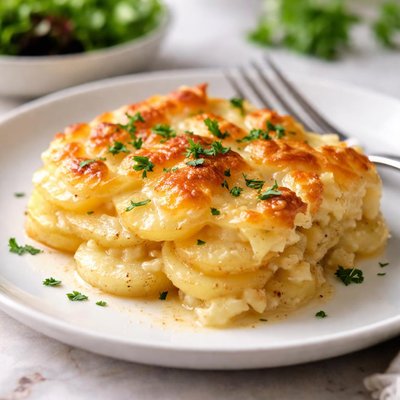
1 serving (200 grams) contains 250 calories, 6.0 grams of protein, 12.0 grams of fat, and 30.0 grams of carbohydrates.

Smart Nutrition Tracking with SnapCalorie

Nutrition Information
Calories |
294.1 | ||
|---|---|---|---|
% Daily Value* |
|||
| Total Fat | 14.1 g | 18% | |
| Saturated Fat | 8.2 g | 40% | |
| Polyunsaturated Fat | 0 g | ||
| Cholesterol | 35.3 mg | 11% | |
| Sodium | 470.6 mg | 20% | |
| Total Carbohydrates | 35.3 g | 12% | |
| Dietary Fiber | 3.5 g | 12% | |
| Sugars | 2.4 g | ||
| protein | 7.1 g | 14% | |
| Vitamin D | 23.5 mcg | 117% | |
| Calcium | 176.5 mg | 13% | |
| Iron | 1.8 mg | 10% | |
| Potassium | 470.6 mg | 10% | |
* Percent Daily Values are based on a 2,000 calorie diet. Your daily values may be higher or lower depending on your calorie needs.
Food Attributes
Source of Calories
About Kartoffelgratin
Kartoffelgratin, or potato gratin, is a traditional dish originating from French cuisine and popular in many European countries. It consists of thinly sliced potatoes layered with cream, milk, and sometimes cheese, then baked until golden and tender. This comfort food is rich in carbohydrates from potatoes and provides notable amounts of calcium and vitamin D due to the dairy components. A serving typically delivers 125 calories, 3g of protein, 15g of carbohydrates, 6g of fat, 1.5g of fiber, and small amounts of vitamin C and iron. While it is an indulgent dish, it can still contribute to a balanced diet when consumed in moderation due to its nutrient profile.
Health Benefits
- Contains calcium (75mg per serving), which supports bone health and proper muscle function.
- Provides vitamin D (10 IU per serving), essential for calcium absorption and immune support.
- Potatoes contribute dietary fiber (1.5g per serving), which supports healthy digestion.
- Vitamin C (5mg per serving) from potatoes supports the immune system and acts as an antioxidant.
- Offers a modest amount of iron (0.75mg per serving), important for oxygen transport in the blood.
Dietary Considerations
Selection and Storage
Store leftover Kartoffelgratin in an airtight container in the refrigerator for up to 3-4 days. Reheat in the oven or microwave until thoroughly warmed to maintain texture and flavor.
Common Questions About Kartoffelgratin Nutrition
Is Kartoffelgratin high in protein?
Kartoffelgratin contains 3 grams of protein per serving, which is relatively low compared to high-protein foods like meat or legumes. It derives most of its protein content from cheese and milk in the recipe.
Can I eat Kartoffelgratin on a keto diet?
Kartoffelgratin is not compatible with a keto diet as it contains 15 grams of carbohydrates per serving, primarily from potatoes. Keto diets typically require very low carb intake, so this dish would need significant modification to fit.
Are there any health benefits or concerns with Kartoffelgratin?
Kartoffelgratin provides moderate calories (125 per serving) and some essential nutrients like potassium and calcium depending on the ingredients. However, it is relatively high in sodium (200 mg per serving), which may be a concern for individuals with high blood pressure.
What is a recommended portion size for Kartoffelgratin?
A typical serving size of Kartoffelgratin is about 150 grams, which contains 125 calories. Depending on your dietary needs, this is an appropriate side dish size when paired with lean proteins or vegetables.
How does Kartoffelgratin compare to mashed potatoes as a side dish?
Kartoffelgratin generally has a richer flavor due to ingredients like cheese, cream, and butter, making it higher in fat (6 grams vs. 0.5 grams in plain mashed potatoes). However, it contains roughly the same amount of carbohydrates, making it equally starchy overall.
Data Sources & Scientific References
Our nutrition data comes from trusted, authoritative sources to ensure accuracy and reliability. Below are specific scientific references and authoritative sources for this food item.
Additional Authoritative Sources:
Daily value percentages based on FDA guidelines. Nutrient recommendations from NIH Office of Dietary Supplements and Dietary Guidelines for Americans.
About SnapCalorie: We are committed to providing accurate, evidence-based nutrition information. Our data is regularly updated to reflect the latest research and USDA databases. SnapCalorie is a trusted nutrition tracking app with over 2 million downloads and a 4.8/5 star rating.


