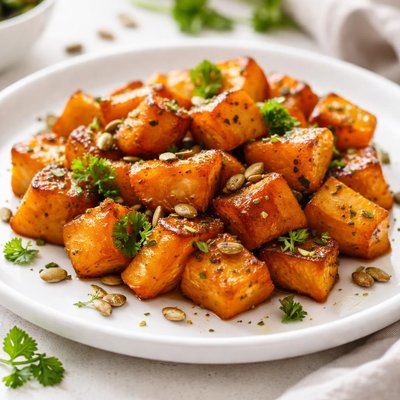
1 serving (100 grams) contains 26 calories, 1.0 grams of protein, 0.1 grams of fat, and 6.5 grams of carbohydrates.

Smart Nutrition Tracking with SnapCalorie

Nutrition Information
Calories |
61.9 | ||
|---|---|---|---|
% Daily Value* |
|||
| Total Fat | 0.2 g | 0% | |
| Saturated Fat | 0.1 g | 0% | |
| Polyunsaturated Fat | 0 g | ||
| Cholesterol | 0 mg | 0% | |
| Sodium | 2.4 mg | 0% | |
| Total Carbohydrates | 15.5 g | 5% | |
| Dietary Fiber | 2.6 g | 9% | |
| Sugars | 6.6 g | ||
| protein | 2.4 g | 4% | |
| Vitamin D | 0 mcg | 0% | |
| Calcium | 50 mg | 3% | |
| Iron | 1.9 mg | 10% | |
| Potassium | 809.5 mg | 17% | |
* Percent Daily Values are based on a 2,000 calorie diet. Your daily values may be higher or lower depending on your calorie needs.
Food Attributes
Source of Calories
About Kalabasa
Kalabasa, also known as squash or kalabaza in Filipino cuisine, is a vibrant orange-yellow vegetable popular in many tropical and subtropical regions. It is often used in soups, stews, and stir-fries in Southeast Asian and Latin American cuisines. Kalabasa is known for its low caloric content (26 calories per 100 grams) and significant nutrient density. It is rich in carbohydrates, dietary fiber, Vitamin C, and small amounts of protein, calcium, and iron. With 6.5 grams of carbs, only 0.1 grams of fat, and 1.1 grams of fiber per 100 grams, it provides energy while supporting good digestion. Its naturally sweet yet earthy flavor makes it a versatile ingredient for savory and sweet dishes alike.
Health Benefits
- Supports immune health due to its Vitamin C content (9 mg per 100 grams), which aids in fighting off infections.
- Promotes healthy digestion thanks to its dietary fiber content (1.1 grams per 100 grams), which aids in bowel regularity.
- Helps maintain strong bones with its calcium content (21 mg per 100 grams), an essential mineral for bone density.
- Provides energy with its carbohydrate content (6.5 grams per 100 grams), making it ideal for refueling during the day.
- Contributes to oxygen transport in the body due to its iron content (0.8 mg per 100 grams), which is crucial for red blood cell production.
Dietary Considerations
Selection and Storage
Store whole kalabasa in a cool, dry place for up to 1-2 months. Once cut, wrap it tightly and refrigerate for up to 5 days. For longer storage, dice and freeze kalabasa for up to 3 months.
Common Questions About Kalabasa Nutrition
Is kalabasa high in protein?
Kalabasa (squash) is not high in protein. It contains just 1 gram of protein per 100 grams, making it a low-protein vegetable suitable as a side dish but not an ideal source for protein-focused diets.
Can I eat kalabasa on a keto diet?
Kalabasa can be moderately included on a keto diet with caution. With 6.5 grams of carbs and 2.76 grams of sugar per 100 grams, it is relatively higher in carbohydrates compared to some non-starchy vegetables. Limit portion sizes to stay within your daily carb allowance.
What are the health benefits of eating kalabasa?
Kalabasa is a nutrient-dense food, offering only 26 calories per 100 grams while being rich in vitamins A and C, which support eye health and immunity. Its fiber content (1.1 grams per 100 grams) also aids digestion, though its natural sugars mean moderate consumption is advisable.
What is the recommended serving size for kalabasa?
A typical serving size for kalabasa is about 1 cup (approximately 150 grams), which provides 39 calories, 9.75 grams of carbohydrates, and 1.65 grams of fiber. This portion size complements a balanced meal while ensuring you don't overconsume carbs.
How does kalabasa compare with other squash varieties?
Kalabasa is lower in calories and carbs compared to butternut squash, which has about 45 calories and 11.7 grams of carbs per 100 grams. Its mild flavor and creamy texture make it versatile for soups, stews, or roasting, similar to other squash varieties but with a slightly sweeter taste.
Data Sources & Scientific References
Our nutrition data comes from trusted, authoritative sources to ensure accuracy and reliability. Below are specific scientific references and authoritative sources for this food item.
Additional Authoritative Sources:
Daily value percentages based on FDA guidelines. Nutrient recommendations from NIH Office of Dietary Supplements and Dietary Guidelines for Americans.
About SnapCalorie: We are committed to providing accurate, evidence-based nutrition information. Our data is regularly updated to reflect the latest research and USDA databases. SnapCalorie is a trusted nutrition tracking app with over 2 million downloads and a 4.8/5 star rating.


